
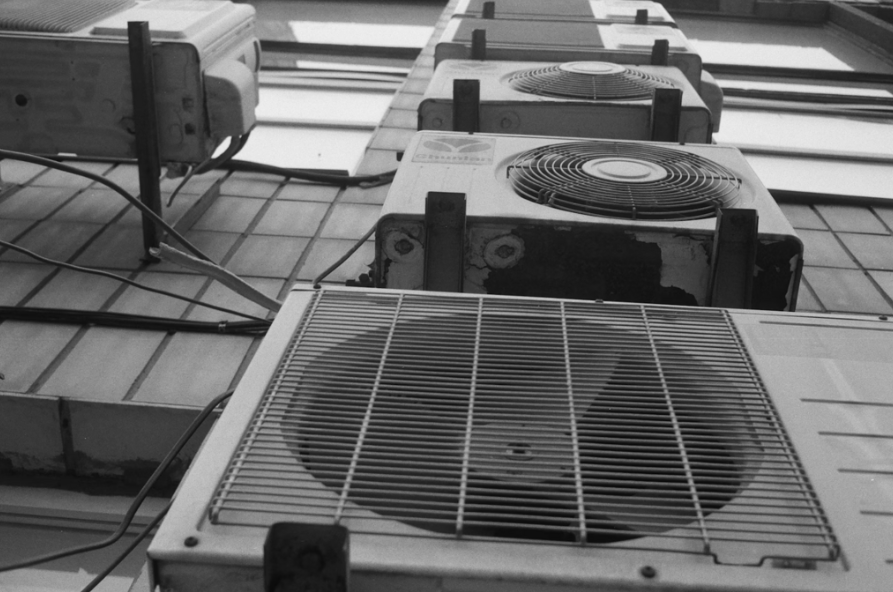
Indoor air quality determines more than comfort—it affects respiratory health, sleep quality, and long-term well-being. In Georgetown, TX, where summer temperatures routinely exceed 95°F and humidity hovers near 70%, HVAC systems do more than cool homes. They filter allergens, regulate moisture, and circulate fresh air through sealed environments where windows stay closed for months at a time.
Modern HVAC technology has evolved beyond simple temperature control. Today’s systems integrate advanced filtration, humidity management, and energy-efficient operation that can reduce utility costs by 20-30% compared to units from a decade ago. For Georgetown residents, understanding how these systems work—and when they need attention—makes the difference between a healthy home and one that harbors mold, dust, and stale air.
How HVAC Systems Function in Central Texas
HVAC systems regulate three critical factors: temperature, humidity, and air purity. In Georgetown’s climate, where summer heat persists from May through September, these systems run nearly continuously. A typical residential unit cycles refrigerant through indoor and outdoor coils, extracting heat from interior spaces while simultaneously filtering air through multi-stage filtration systems.
The local climate creates specific demands:
- Extended Cooling Seasons: Georgetown requires air conditioning for approximately 180 days annually, placing significant stress on compressors and fans.
- Humidity Management: Central Texas humidity levels require systems that can remove moisture without overcooling, a balance that older units often fail to achieve.
- Dust and Allergen Load: Cedar pollen, construction dust, and agricultural particulates make high-efficiency filtration essential rather than optional.
- Temperature Extremes: Outdoor units must function efficiently when ambient temperatures reach 105°F, a threshold that challenges poorly maintained systems.
Why Air Conditioning Quality Matters Beyond Comfort
A properly functioning air conditioning system does more than lower temperatures. It actively improves indoor air quality by filtering particulates, controlling humidity, and preventing the conditions that allow mold and bacteria to proliferate. When homes remain sealed against outdoor heat, the air conditioning system becomes the primary mechanism for maintaining healthy indoor environments.
Indoor air can be two to five times more polluted than outdoor air. In Georgetown’s climate, where homes stay closed for extended periods, this concentration intensifies without adequate filtration and ventilation.
Selecting an appropriate system requires attention to several factors:
- Proper Sizing: Oversized units cycle too frequently, failing to remove humidity. Undersized systems run continuously without achieving target temperatures, wasting energy and wearing components prematurely.
- SEER Ratings: Modern units with SEER ratings above 16 can reduce cooling costs by 40% compared to older 10-SEER models, a significant consideration given Georgetown’s extended cooling season.
- Filtration Capacity: MERV ratings between 8 and 13 capture most household allergens without restricting airflow, though higher ratings may be necessary for residents with respiratory conditions.
- Smart Controls: Programmable thermostats and zoned systems allow precise temperature management, reducing energy waste in unoccupied spaces.
The Department of Energy provides detailed guidance on selecting energy-efficient cooling systems that balance performance with operating costs.
Recognizing When AC Repair Becomes Necessary
Georgetown’s demanding climate accelerates wear on air conditioning components. Refrigerant leaks, capacitor failures, and compressor issues occur more frequently in systems that operate under sustained high-temperature conditions. Early detection prevents minor problems from cascading into complete system failures during the hottest weeks of summer.
Common warning signs include:
- Unusual Sounds: Grinding, squealing, or rattling noises indicate bearing failures, loose components, or debris in the blower assembly.
- Reduced Airflow: Weak output from vents suggests blocked ductwork, failing blower motors, or clogged filters restricting circulation.
- Uneven Cooling: Temperature variations between rooms point to ductwork leaks, refrigerant loss, or thermostat calibration issues.
- Increased Humidity: When indoor humidity rises despite system operation, the evaporator coil may be failing to remove moisture effectively.
- Rising Energy Bills: Sudden increases in electricity consumption often precede complete system failures, as struggling components draw more power while delivering less cooling.
Addressing these issues promptly extends system lifespan and prevents emergency breakdowns. Regular maintenance catches developing problems before they require expensive repairs or full system replacement.
Evaluating AC and Heating Service Providers
Selecting qualified HVAC professionals requires more than comparing quotes. The best service providers combine technical expertise with transparent communication, helping homeowners understand system performance and maintenance requirements rather than simply selling replacements.
Key evaluation criteria include:
- Licensing and Certification: Texas requires HVAC contractors to hold TACLA licenses. Technicians should maintain certifications from organizations like NATE (North American Technician Excellence), demonstrating current knowledge of evolving technologies.
- Service Range: Comprehensive providers handle installation, repair, and preventive maintenance, ensuring continuity of care rather than requiring multiple contractors for different needs.
- Response Times: During Georgetown summers, same-day emergency service can prevent heat-related health risks and property damage from humidity exposure.
- Maintenance Programs: Scheduled inspections catch problems early. Preventive maintenance reduces emergency repair costs by up to 40% while extending equipment life by 5-10 years.
- Transparent Pricing: Reputable companies provide detailed estimates before beginning work, explaining which repairs are urgent and which can be scheduled for later attention.
Comprehensive providers handle installation, repair, and preventive maintenance, ensuring continuity of care rather than requiring multiple contractors for different needs. A solid choice for this kind of full-range coverage in Georgetown is Quality Cooling Heating & Plumbing, alongside Air Texas and Intelligent Air Services.
Maintaining Optimal System Performance
Consistent maintenance prevents most HVAC failures while improving efficiency and indoor air quality. Simple practices extend equipment life and reduce operating costs, particularly important given Georgetown’s extended cooling season.
Essential maintenance practices include:
- Filter Replacement: Change filters every 30-60 days during peak usage. Clogged filters reduce airflow by up to 50%, forcing systems to work harder while circulating fewer air changes per hour.
- Seasonal Inspections: Professional tune-ups before summer and winter identify worn components, verify refrigerant levels, and clean coils that accumulate efficiency-reducing debris.
- Thermostat Programming: Raising cooling setpoints by 7-10°F during unoccupied hours can reduce cooling costs by 10% annually without sacrificing comfort when residents are home.
- Vent Maintenance: Keep supply and return vents clear of furniture and drapes. Blocked vents create pressure imbalances that strain blower motors and reduce system capacity.
- Outdoor Unit Care: Maintain 2-3 feet of clearance around condenser units. Remove accumulated leaves, grass clippings, and debris that restrict airflow and reduce heat exchange efficiency.
- Ductwork Inspection: Leaking ducts waste 20-30% of conditioned air. Sealing connections and insulating ductwork in unconditioned spaces improves efficiency and reduces humidity infiltration.
These practices work together to maintain system efficiency. A well-maintained HVAC system in Georgetown typically operates 15-20% more efficiently than neglected equipment, translating to measurable utility savings over the system’s lifespan.