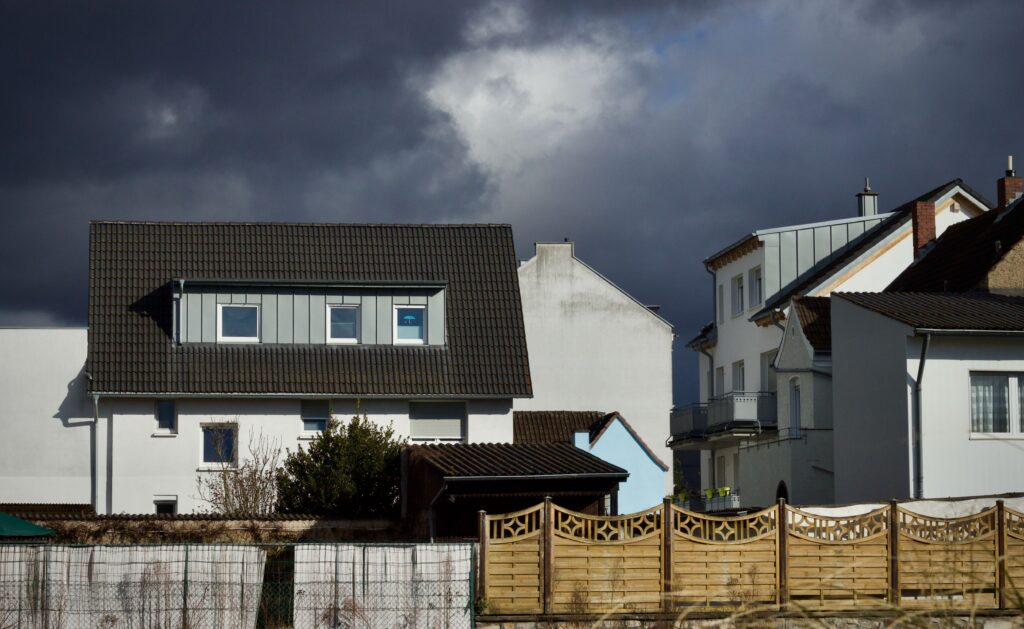
The sky turns gray, the local news issues a warning, and that familiar knot forms in your stomach. It is time to drag out the heavy plywood and wrestle with rusty metal shutters. Preparing a home for a severe storm is frequently a physically exhausting and deeply stressful experience. Homeowners across coastal regions know this seasonal dread all too well, often sacrificing entire weekends just to secure their property.
The financial stakes facing homeowners are also higher than ever. Severe weather events are increasing in frequency and destructive power across the country. In 2024 alone, the U.S. experienced 27 billion-dollar weather disasters resulting in $182.7 billion in damages. Relying on outdated, difficult-to-deploy methods to defend your biggest asset is a risky gamble.
Outdated Hurricane Prep
Boarding up windows with thick sheets of wood requires hours of grueling labor, multiple sets of hands, and plenty of expensive hardware. Clunky metal accordion shutters are not much better. They frequently jam in their tracks, collect wasp nests, rust over time, and leave you exhausted before the first raindrop even falls. This outdated approach turns storm preparation into an agonizing chore that most people dread.
Beyond the immediate physical strain, these rigid materials carry hidden long-term drawbacks. Driving heavy screws into plywood causes permanent aesthetic damage to exterior walls, stucco, and window frames. Every storm season leaves behind a few more holes and a little more chipped paint. Your home begins to look battered even if a hurricane never makes landfall.
When the skies finally clear, you are left with the massive burden of taking everything down. Storing bulky, dirty sheets of wood or stacks of metal panels takes up valuable real estate in your garage or shed. These materials attract moisture, rot, and pests year-round, creating an entirely new set of problems for your household. Modern hurricane fabric systems eliminate all of that, and the DIY installation process requires nothing more than a tape measure, a drill, and a set of clear instructions to get professional-grade protection in place before a storm arrives.
What is DIY Hurricane Fabric?
Hurricane fabric is a highly advanced, lightweight material designed to replace bulky storm prep systems. Rather than building a rigid wall over your windows, these systems create a highly flexible, impenetrable barrier against extreme weather.
This material excels at absorbing and repelling direct impacts from flying debris. Think of it like a heavy-duty trampoline for your windows and doors. High-speed objects bounce off the taught surface rather than shattering the fragile glass behind the barrier. This specialized fabric is actually three times stronger than many competitor materials on the market today.
Do not let the “DIY” label trick you into thinking you are getting a lesser product. The exceptional strength of this system is engineered directly into the mounting clips and fabric weave. Because the heavy lifting is done by the material’s engineering, everyday homeowners can achieve a flawless installation using basic hand tools.
Engineered Strength and Certified Safety
During a severe storm, protecting the structural integrity of your house comes down to preventing wind from breaching your windows and doors. If a window blows out, wind rushes inside and rapidly builds upward pressure. This internal pressurization is a primary cause of dangerous roof lift-off and catastrophic home collapse. High-strength fabric completely neutralizes this wind pressure.
Certified protection is absolutely non-negotiable when facing extreme weather systems. History clearly shows us just how devastating structural failures can be to unprepared communities. For perspective, Hurricane Katrina caused an estimated $107.5 billion in insured losses when adjusted for 2025 dollars. The cost of inadequate protection is simply too high to risk.
You can rest easy knowing that top-tier DIY hurricane fabrics are strictly tested and Made in the USA. They carry rigorous safety certifications, including official Florida Building Code approval (#FL11379-R5). This ensures your lightweight upgrade meets or exceeds the highest safety and building standards in the country.
Why Homeowners Are Making the Switch
The biggest advantage of upgrading to a fabric system is the concept of “Rapid Deployment.” Because the panels are incredibly lightweight, a single person can deploy them right before a storm arrives. You only need a standard power drill and a few minutes per window to secure the fabric to the pre-installed anchors. This means you can wait to see a storm’s true path before doing any heavy lifting.
Customizable mounting systems also help preserve your home’s visual appeal throughout the year. Unlike permanent metal tracks that look distinctly industrial and out of place, fabric anchors are highly discreet. The fabric itself can be folded up and packed away, or rolled into built-in storage hoods that blend seamlessly with your home’s exterior trim.
| Feature | Plywood | Metal Shutters | Hurricane Fabric |
|---|---|---|---|
| Weight | Extremely Heavy | Heavy | Lightweight |
| Deployment Speed | Slow & Labor Intensive | Moderate | Fast & Easy |
| Aesthetics | Damaging to Exterior | Industrial & Clunky | Discreet Anchors |
| Storage Space | Requires Massive Space | Bulky Tracks/Panels | Compact & Foldable |
Creating a “Hurricane-Safe Room”
One of the most frustrating parts of storm prep is figuring out what to do with your backyard accessories. Uniquely shaped outdoor areas like lanais, porches, and wide entryways are notoriously difficult to protect. Traditional rigid methods simply do not span wide distances well, leaving these expensive outdoor living spaces vulnerable to the elements.
Drop-down hurricane screens solve this architectural problem beautifully. These flexible fabric panels can easily span massive openings, transforming a breezy patio into a secure fortress in just a few minutes. You simply deploy the screens down to the floor and lock them into place.
This effectively creates a temporary “hurricane-safe room” right outside your back door. You can leave your heavy patio furniture, bulky outdoor grills, and large potted plants exactly where they are. There is no longer a stressful need to drag wet, dirty patio gear into your living room or crowded garage before a storm hits.
Conclusion
Protecting your home from severe weather no longer requires grueling physical exhaustion, ruined exterior paint, or massive contractor bills. The days of panic-buying sheets of heavy wood and wrestling with jammed metal tracks are firmly in the past. Modern engineering has provided a much smarter, easier path forward for coastal residents.
Modernizing your property defenses with DIY hurricane fabric offers undeniable, practical advantages. You gain the massive benefit of rapid deployment, certified structural strength, and significant financial savings. The lightweight materials store easily in a closet and deploy in minutes, giving you complete control over your seasonal preparation strategy.
 Ask Donel Robertsonail how they got into diy home improvement ideas and you'll probably get a longer answer than you expected. The short version: Donel started doing it, got genuinely hooked, and at some point realized they had accumulated enough hard-won knowledge that it would be a waste not to share it. So they started writing.
What makes Donel worth reading is that they skips the obvious stuff. Nobody needs another surface-level take on DIY Home Improvement Ideas, Outdoor Living Solutions, Essential Gardening Tips. What readers actually want is the nuance — the part that only becomes clear after you've made a few mistakes and figured out why. That's the territory Donel operates in. The writing is direct, occasionally blunt, and always built around what's actually true rather than what sounds good in an article. They has little patience for filler, which means they's pieces tend to be denser with real information than the average post on the same subject.
Donel doesn't write to impress anyone. They writes because they has things to say that they genuinely thinks people should hear. That motivation — basic as it sounds — produces something noticeably different from content written for clicks or word count. Readers pick up on it. The comments on Donel's work tend to reflect that.
Ask Donel Robertsonail how they got into diy home improvement ideas and you'll probably get a longer answer than you expected. The short version: Donel started doing it, got genuinely hooked, and at some point realized they had accumulated enough hard-won knowledge that it would be a waste not to share it. So they started writing.
What makes Donel worth reading is that they skips the obvious stuff. Nobody needs another surface-level take on DIY Home Improvement Ideas, Outdoor Living Solutions, Essential Gardening Tips. What readers actually want is the nuance — the part that only becomes clear after you've made a few mistakes and figured out why. That's the territory Donel operates in. The writing is direct, occasionally blunt, and always built around what's actually true rather than what sounds good in an article. They has little patience for filler, which means they's pieces tend to be denser with real information than the average post on the same subject.
Donel doesn't write to impress anyone. They writes because they has things to say that they genuinely thinks people should hear. That motivation — basic as it sounds — produces something noticeably different from content written for clicks or word count. Readers pick up on it. The comments on Donel's work tend to reflect that.