For decades, the international art world operated behind closed doors and velvet ropes. Building a meaningful collection of global pieces required a massive budget and the right connections. Everyday art lovers were effectively locked out of discovering talented creators from emerging regions.
That intimidating gallery scene is rapidly fading into the past. Technology is reshaping how we discover, appreciate, and purchase cultural works. According to the Art Basel and UBS Survey of Global Collecting 2025, collectors are increasingly seeking direct connections with artists, with studio visits and direct-from-artist purchases both rising sharply as buyers prioritize authenticity and the stories behind the works they bring home.
Digital platforms have completely democratized global art for the modern buyer. E-commerce solutions are removing the geographical and logistical hurdles that once separated everyday collectors from incredible international talent. You can now build a curated, culturally rich collection directly from your living room.
Why International Art Was Historically Limited to the Elite
Historically, acquiring art from another country was a privilege reserved for a select few. You needed the financial resources to travel extensively to cultural hubs like Paris, New York, or London. Even if you made the trip, you still had to navigate an exclusive network of elite gallerists and dealers.
The traditional market thrived on this exclusivity. Galleries acted as strict gatekeepers, deciding which artists received exposure and which collectors were worthy of buying their work. This system severely limited the options available to culturally-curious buyers who simply wanted unique aesthetics for their homes.
Beyond the social barriers, the logistical nightmare of international art transport discouraged most casual buyers. Navigating complex foreign customs regulations required specialized knowledge and endless paperwork. Buyers also had to risk potential artwork damage during transit while absorbing exorbitant international freight costs.
Today, you no longer need to travel the globe or navigate elite gallery networks to find meaningful pieces. Innovative platforms are stepping in to bridge the gap between international creators and everyday buyers, handling the complex logistics behind the scenes so you can easily buy original global art online and support emerging talent.
How Digital Marketplaces Democratized Global Art
The shift away from consignment-based galleries toward accessible digital marketplaces has transformed the industry. Buyers are no longer limited to the curated selections of local dealers. You can now connect directly with talented creators in emerging cultural hubs like Cameroon, Indonesia, and Uganda.
These modern platforms prioritize user-friendly experiences and total transparency. They strip away the intimidation factor of the traditional gallery, replacing it with accessible online portfolios and direct artist communication. This creates a balanced environment that empowers both the buyer and the global creator.
| Feature | Traditional Gallery Model | Digital Direct-Purchase Model |
|---|---|---|
| Buyer Accessibility | Highly exclusive, requires travel and elite network connections. | Open to anyone with an internet connection, globally accessible. |
| Shipping & Customs | Buyer often coordinates expensive third-party freight and import taxes. | End-to-end handling by the platform, delivered directly to the doorstep. |
| Artist Payouts | Consignment-based, artists wait months for a fraction of the sale price. | Direct purchase, artists are paid upfront and retain a larger share. |
This direct-purchase model offers life-changing benefits for emerging artists in developing regions. In the traditional consignment model, creators often waited months or years to see any profit from a gallery sale. Modern digital platforms disrupt this cycle by paying artists upfront for their work.
This immediate compensation provides essential financial stability for the creator. When artists do not have to worry about their next meal or basic living expenses, they can dedicate their full focus to their craft. Your online purchase directly fuels their creative freedom and professional growth.
Bridging the Distance: Authenticity and Story-Driven Connection
One of the most common questions buyers ask is how to verify the authenticity of an artwork purchased online. The fear of buying fake or mass-produced art is a major deterrent for new collectors. Reputable digital marketplaces understand this concern and have strict verification processes in place.
To build absolute buyer confidence, these platforms provide official certificates of authenticity. You receive both physical and digital documentation guaranteeing the piece’s origin and the creator’s identity. This paperwork protects your investment and proves you own a genuine, original work of global art.
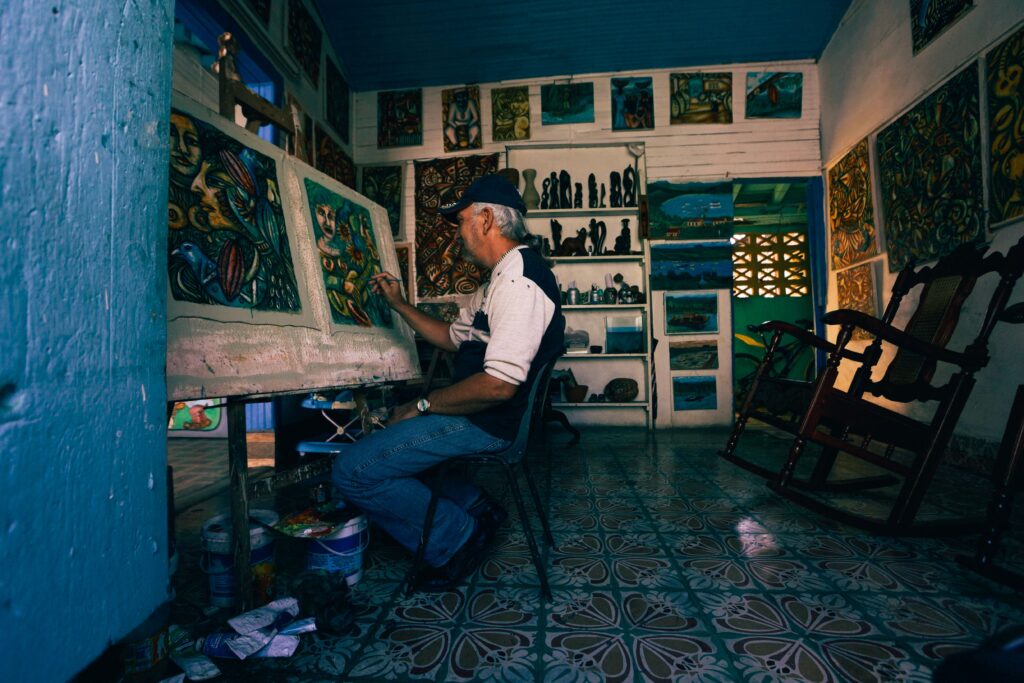
Beyond physical proof, these platforms prioritize deep digital storytelling. A beautiful painting becomes much more meaningful when you understand the person who held the brush. Marketplaces provide detailed collector documentation that shares the artist’s personal background and creative vision.
Learning about an artist’s personal struggles and triumphs creates a true human connection to the canvas. You are not just buying a decorative object for your living room. You are welcoming a piece of someone’s culture, history, and personal narrative into your daily life.
The Real-World Impact: Reinvesting in Creative Communities
Modern art collectors are increasingly socially conscious. They want their purchases to align with their values and create a positive impact in the world. Acquiring unique home aesthetics can also directly support the livelihoods of historically underrepresented artists.
Buying art online contributes to community reinvestment well beyond the individual creator. When you inject capital directly into an emerging region, that money circulates within the local economy. Artists buy supplies from local vendors, support their extended families, and contribute to neighborhood growth.
Many digital art platforms take this social responsibility a step further. They actively funnel a portion of their revenue into local youth workshops and community development programs. This creates a sustainable ecosystem of support for regions that have historically lacked arts funding.
These community art centers provide safe spaces and vital resources for young people to explore their creativity. By purchasing a piece of global art, you are actively nurturing the next generation of creative talent. Your home decor choices have the power to drive meaningful socioeconomic growth across the world.
Conclusion: The Future of Your Art Collection
This digital democratization is a massive win for both the culturally-curious collector and the talented global artists who deserve an international stage. Buyers get to discover unique, authentic pieces without the headache of international shipping and customs. Meanwhile, creators receive the upfront financial support they need to thrive.
This is a permanent industry shift rather than a passing trend. The global online art market is projected to reach $19.25 billion by 2033. The future of art collecting is transparent, borderless, and built on direct human connection.
There has never been a better time to explore the vibrant world of global creativity. You have the power to transform your living space while making a tangible difference in an artist’s life. Start exploring digital marketplaces today and discover the first meaningful international piece for your new collection.
 Ask Donel Robertsonail how they got into diy home improvement ideas and you'll probably get a longer answer than you expected. The short version: Donel started doing it, got genuinely hooked, and at some point realized they had accumulated enough hard-won knowledge that it would be a waste not to share it. So they started writing.
What makes Donel worth reading is that they skips the obvious stuff. Nobody needs another surface-level take on DIY Home Improvement Ideas, Outdoor Living Solutions, Essential Gardening Tips. What readers actually want is the nuance — the part that only becomes clear after you've made a few mistakes and figured out why. That's the territory Donel operates in. The writing is direct, occasionally blunt, and always built around what's actually true rather than what sounds good in an article. They has little patience for filler, which means they's pieces tend to be denser with real information than the average post on the same subject.
Donel doesn't write to impress anyone. They writes because they has things to say that they genuinely thinks people should hear. That motivation — basic as it sounds — produces something noticeably different from content written for clicks or word count. Readers pick up on it. The comments on Donel's work tend to reflect that.
Ask Donel Robertsonail how they got into diy home improvement ideas and you'll probably get a longer answer than you expected. The short version: Donel started doing it, got genuinely hooked, and at some point realized they had accumulated enough hard-won knowledge that it would be a waste not to share it. So they started writing.
What makes Donel worth reading is that they skips the obvious stuff. Nobody needs another surface-level take on DIY Home Improvement Ideas, Outdoor Living Solutions, Essential Gardening Tips. What readers actually want is the nuance — the part that only becomes clear after you've made a few mistakes and figured out why. That's the territory Donel operates in. The writing is direct, occasionally blunt, and always built around what's actually true rather than what sounds good in an article. They has little patience for filler, which means they's pieces tend to be denser with real information than the average post on the same subject.
Donel doesn't write to impress anyone. They writes because they has things to say that they genuinely thinks people should hear. That motivation — basic as it sounds — produces something noticeably different from content written for clicks or word count. Readers pick up on it. The comments on Donel's work tend to reflect that.