
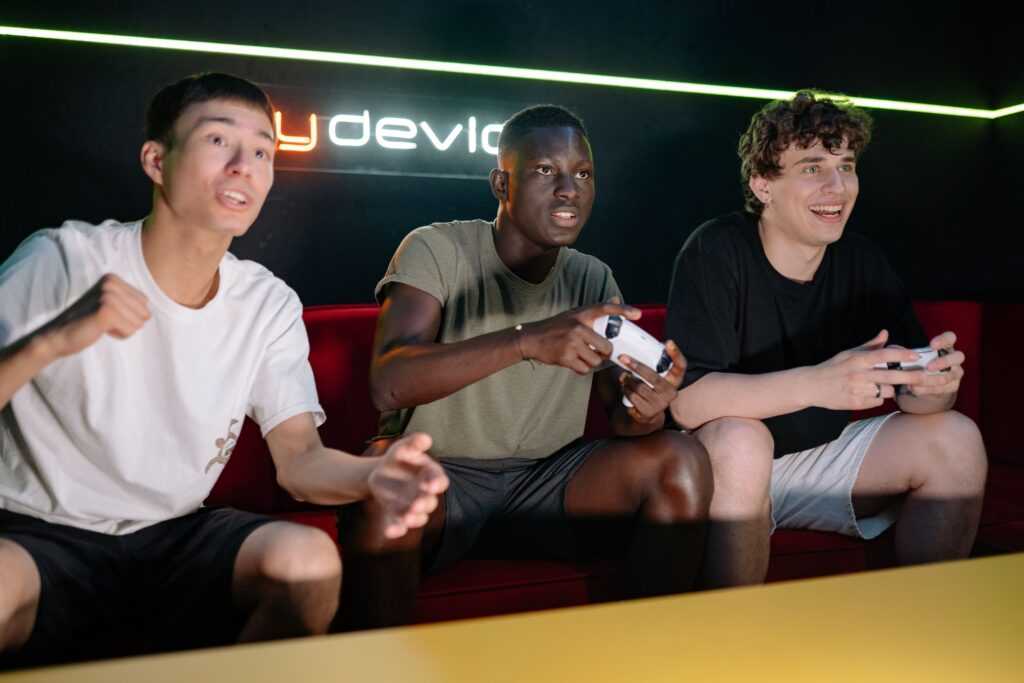
Entertainment has always changed alongside technology. For much of the twentieth century, people watched TV, listened to the radio, or read newspapers from afar. Creators and audiences rarely interacted. Those days are now in the past.
Today, digital platforms have completely changed how we experience entertainment. Audiences are no longer just watching. They help create and shape what happens in real time. This change is one of the biggest cultural shifts of our time.
Livestreaming and the live gaming experience economy
Livestreaming is one of the best examples of how digital entertainment has become more interactive. Platforms like Twitch and YouTube Live let creators and gamers broadcast live, while viewers join in through chat, donations, and polls.
This setup creates a back-and-forth that traditional TV cannot match. Viewers shape what happens on screen, and hosts respond to comments as they stream. Inside jokes form, and communities grow around favourite creators and their regular live shows.
People are drawn to livestreaming because it offers a genuine sense of connection and makes them feel involved. This format can reach millions at once. Major platforms continue to grow each year, largely because viewers actively participate.
The same instinct drives the popularity of interactive live casinos, where real dealers host games in real time, and players make decisions that directly affect the experience. Numerous platforms have developed sophisticated live casino environments where the action unfolds between a human host and players rather than solely through automated software. It emphasises presence, atmosphere, and real-time interaction, mirroring the appeal of livestreaming communities.
Social media and the participation revolution
Social media changed the game. Platforms like Facebook, Twitter, and TikTok gave everyone the tools to share and create content, something that once required an entire production team. Now, anyone can react, share, and publish content alongside established creators.
Comment sections became places for genuine discussion. Hashtags helped individual voices grow into global movements. People did not just watch culture unfold. They helped shape it as it happened.
This desire to participate spread across the internet. People built communities around shared interests. Forums, subreddits, and Discord servers became places to collaborate, debate ideas, and create together. The distinction between creators and audiences became much less defined.
Research from the Reuters Institute shows that younger audiences increasingly prefer interactive media over traditional broadcasts. This generation wants to participate rather than simply observe.
Multiplayer gaming and collaborative worlds
Online multiplayer games further increased participation. Games like Fortnite, Minecraft, and World of Warcraft do more than entertain. They allow players to build, compete, collaborate, and shape virtual worlds together.
Minecraft, in particular, has evolved into something closer to a creative platform than a traditional game. Players construct elaborate environments, operate community servers, and share their creations with audiences around the world. According to the BBC, Minecraft has sold more than 300 million copies worldwide, making it one of the most played and community-driven digital experiences in history.
This collaborative spirit also appears in virtual events. During the pandemic, concerts inside games attracted tens of millions of attendees. These were not simply performances to watch. People explored virtual spaces, met others, and became part of the event itself.
The age of passive consumption
To understand how far entertainment has come, it helps to reflect on where it once stood. Radio programs aired at fixed times, and listeners either tuned in or missed them. Television followed the same model. Schedules were determined by broadcasters rather than audiences.
Even the early internet was mostly passive. Websites posted content, and people simply read it. There was little opportunity to respond or influence what they saw. Audiences remained viewers rather than active participants.
This model lasted for decades. It created major media companies and shaped popular culture, but it also left audiences with limited opportunities to engage directly with the content they consumed.
What this means for the future of entertainment
The direction of travel is clear. Audiences increasingly expect to be part of the experience rather than merely observing it. Platforms that offer genuine participation, real-time feedback, and meaningful interaction are likely to continue growing.
This expectation is already reshaping entire industries. Broadcasters now integrate live polls and social media feeds into traditional programming. Sports organisations are developing second-screen features that let fans choose camera angles or view live statistics. Even live theatre is experimenting with new ways to involve audiences.
The entertainment industry has recognised that passive consumption is no longer enough. People want their presence to matter. They want to influence experiences, connect with others, and feel genuinely involved.
From social media to online gaming, from collaborative communities to live-hosted digital formats, participation has become one of the defining features of modern entertainment. Rather than replacing passive entertainment entirely, interactive experiences have become an increasingly important part of how audiences choose to engage with media.
Final thoughts
Digital entertainment has evolved from a one-way experience into one built on interaction, community, and real-time participation. Whether through livestreams, games, or social media, people increasingly expect to take part rather than simply watch. As technology continues to evolve, platforms that encourage meaningful engagement are likely to play an increasingly important role in shaping the future of entertainment.
 Ask Donel Robertsonail how they got into diy home improvement ideas and you'll probably get a longer answer than you expected. The short version: Donel started doing it, got genuinely hooked, and at some point realized they had accumulated enough hard-won knowledge that it would be a waste not to share it. So they started writing.
What makes Donel worth reading is that they skips the obvious stuff. Nobody needs another surface-level take on DIY Home Improvement Ideas, Outdoor Living Solutions, Essential Gardening Tips. What readers actually want is the nuance — the part that only becomes clear after you've made a few mistakes and figured out why. That's the territory Donel operates in. The writing is direct, occasionally blunt, and always built around what's actually true rather than what sounds good in an article. They has little patience for filler, which means they's pieces tend to be denser with real information than the average post on the same subject.
Donel doesn't write to impress anyone. They writes because they has things to say that they genuinely thinks people should hear. That motivation — basic as it sounds — produces something noticeably different from content written for clicks or word count. Readers pick up on it. The comments on Donel's work tend to reflect that.
Ask Donel Robertsonail how they got into diy home improvement ideas and you'll probably get a longer answer than you expected. The short version: Donel started doing it, got genuinely hooked, and at some point realized they had accumulated enough hard-won knowledge that it would be a waste not to share it. So they started writing.
What makes Donel worth reading is that they skips the obvious stuff. Nobody needs another surface-level take on DIY Home Improvement Ideas, Outdoor Living Solutions, Essential Gardening Tips. What readers actually want is the nuance — the part that only becomes clear after you've made a few mistakes and figured out why. That's the territory Donel operates in. The writing is direct, occasionally blunt, and always built around what's actually true rather than what sounds good in an article. They has little patience for filler, which means they's pieces tend to be denser with real information than the average post on the same subject.
Donel doesn't write to impress anyone. They writes because they has things to say that they genuinely thinks people should hear. That motivation — basic as it sounds — produces something noticeably different from content written for clicks or word count. Readers pick up on it. The comments on Donel's work tend to reflect that.