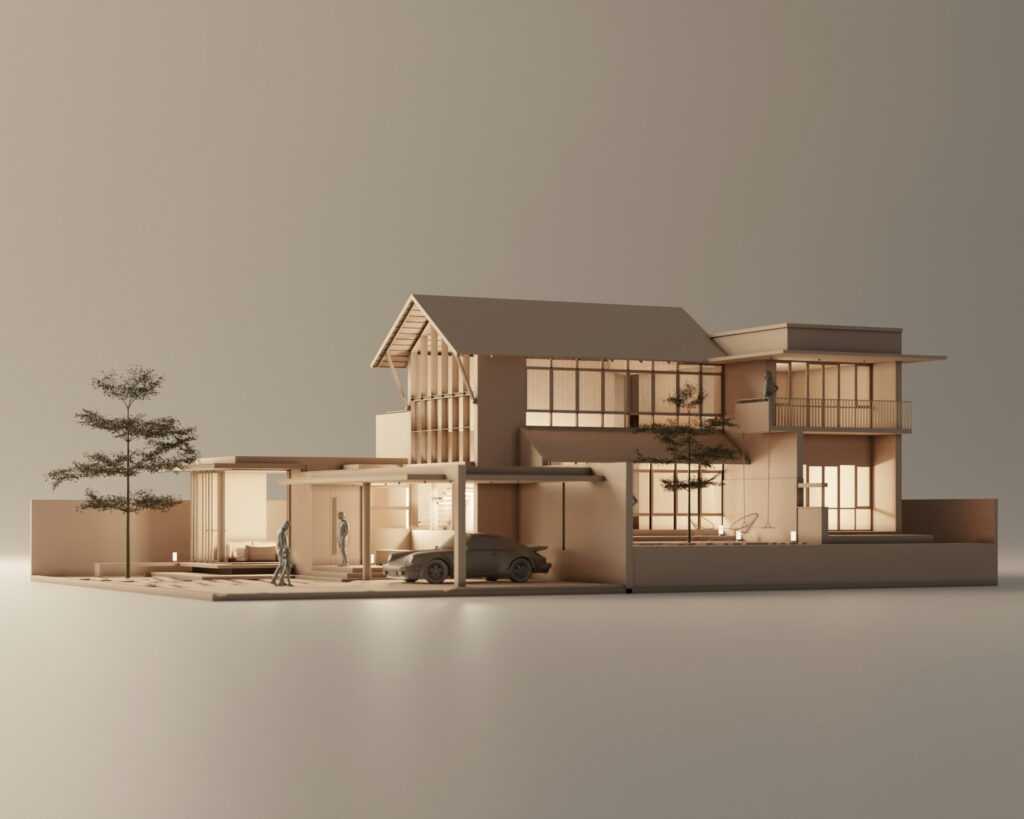
Working from a spare room, a converted closet, or a corner of the living room has become the norm for a huge number of people running their own businesses. The challenge is not always finding the space. It is making that space feel functional, comfortable, and genuinely conducive to focused work, especially when square footage is limited and a full renovation is not on the table.
Start With What the Space Is Actually Missing
Before buying anything new, it helps to sit in the space for a full workday and notice what actually feels off. Sometimes it is glare from a window hitting the screen at the wrong angle. Sometimes it is a chair that felt fine for an hour but turns uncomfortable by hour four. Small, specific irritations tend to compound over a full week of work, even if none of them feel like a big deal in isolation.
Identifying these small friction points first means any changes made afterward actually solve a real problem, rather than just adding decor for its own sake. A workspace that looks nice but still leaves you squinting at a glare-covered monitor has not actually improved anything functional.
Light Does More Work Than People Expect
Lighting is one of the most underrated levers in a small home office. Harsh overhead light can make a space feel clinical and tiring by the afternoon, while dim, uneven lighting strains the eyes during detailed work. Layering in a warm desk lamp alongside whatever ambient light already exists in the room tends to soften the space considerably without requiring an electrician or a major purchase.
Natural light matters too, when it is available. Positioning a desk to catch daylight during working hours, rather than facing away from the only window in the room, makes a noticeable difference in mood and alertness over the course of a full day. If direct sun creates glare on a screen, a simple sheer curtain can diffuse the light without blocking it out entirely.
Small Furniture Choices That Change How a Space Feels
A cramped home office does not necessarily need less furniture. It often just needs better-chosen furniture. A narrow desk that fits the actual dimensions of the room, rather than a bulky one inherited from elsewhere in the house, frees up walking space and makes the room feel less crowded immediately. The same logic applies to storage: a slim vertical shelving unit does far more for a small space than a wide, low bookcase that eats into floor area.
Textiles matter more than people initially assume as well. A small area rug underfoot adds warmth and visually anchors the workspace as its own distinct zone, even when it physically shares a room with something else, like a guest bed or a living area.
The Practical Reality of Running Equipment All Day
Alongside the design choices, there is a practical cost that comes with turning a spare room into a working office: running a computer, monitor, task lighting, and sometimes a space heater or fan for hours every day adds up on the household electricity bill in a way that is easy to underestimate at first. What used to be a lightly used guest room can become one of the more energy-intensive corners of the home once it is doing double duty as a workspace.
This shift often goes unnoticed simply because attention stays focused on the work itself rather than the utility bill sitting in the background. But for anyone running a business from home, particularly one involving equipment-heavy tasks like design, video editing, or extended video calls, that additional electricity draw is worth paying attention to over time.
Why It’s Worth Comparing Rates, Not Just Adjusting Habits
Turning off lights when not in use and unplugging unused equipment helps at the margins, but those small habits only go so far when a home office is genuinely running for eight or more hours a day. A more meaningful step is checking whether the household electricity rate itself is actually competitive, since many people have never compared their current rate against what else is available in the market.
Looking into a Business Energy Comparison is a practical way to check this without much time investment. Comparing rates takes relatively little effort and can reveal savings that go directly back into the budget for the business, whether that means new equipment, more furniture for the workspace, or simply a bit of breathing room at the end of the month.
Making the Space Feel Distinct From the Rest of the Home
One of the most effective psychological tricks for a small home office is making it feel visually separate from the rest of the house, even when it physically is not. A different wall color, a distinct rug, or even just a designated lighting setup that only gets used during work hours helps signal to the brain that this corner is for focus, not for lounging.
This kind of intentional zoning becomes more valuable the smaller the overall space is, since there is less physical distance available to create that separation naturally. Leaning on visual and lighting cues to do that work instead is often the most realistic option in a compact home.
Small Changes Add Up Over a Full Workweek
None of these adjustments need to happen all at once. Fixing the glare problem this week, adding a warmer lamp next month, and finally getting around to comparing electricity rates sometime after that all still add up to a meaningfully better and more cost-effective home office by the end of the process. The goal is steady improvement, not a single dramatic overhaul.
Frequently Asked Questions
How can I make a small home office feel less cramped without buying new furniture?
Rearranging existing pieces to open up walking space, and adding a rug or lighting change to visually define the area, can make a noticeable difference without any new purchases.
Does running a home office really increase electricity costs that much?
It can, particularly for equipment-heavy work involving computers, monitors, and extended hours of use, since that adds a consistent daily draw that a typical household otherwise would not have.
Is it worth comparing electricity rates just for a home-based office?
Yes. Many people have never checked their household rate against current market options, and a quick comparison can reveal savings that directly support the business running out of that space.
What is the easiest first change to make in a small home office?
Addressing lighting is usually the most impactful and least expensive first step, since both glare and dim lighting affect comfort and focus more than most people expect.
How do I make a home office feel separate from the rest of a shared room?
Using a distinct rug, a different lighting setup, or a specific color accent that only appears in that corner helps create a visual boundary even without a physical wall.
 Zyvaris Eldwain writes the kind of interior design trends content that people actually send to each other. Not because it's flashy or controversial, but because it's the sort of thing where you read it and immediately think of three people who need to see it. Zyvaris has a talent for identifying the questions that a lot of people have but haven't quite figured out how to articulate yet — and then answering them properly.
They covers a lot of ground: Interior Design Trends, DIY Home Improvement Ideas, Home Style Inspirations, and plenty of adjacent territory that doesn't always get treated with the same seriousness. The consistency across all of it is a certain kind of respect for the reader. Zyvaris doesn't assume people are stupid, and they doesn't assume they know everything either. They writes for someone who is genuinely trying to figure something out — because that's usually who's actually reading. That assumption shapes everything from how they structures an explanation to how much background they includes before getting to the point.
Beyond the practical stuff, there's something in Zyvaris's writing that reflects a real investment in the subject — not performed enthusiasm, but the kind of sustained interest that produces insight over time. They has been paying attention to interior design trends long enough that they notices things a more casual observer would miss. That depth shows up in the work in ways that are hard to fake.
Zyvaris Eldwain writes the kind of interior design trends content that people actually send to each other. Not because it's flashy or controversial, but because it's the sort of thing where you read it and immediately think of three people who need to see it. Zyvaris has a talent for identifying the questions that a lot of people have but haven't quite figured out how to articulate yet — and then answering them properly.
They covers a lot of ground: Interior Design Trends, DIY Home Improvement Ideas, Home Style Inspirations, and plenty of adjacent territory that doesn't always get treated with the same seriousness. The consistency across all of it is a certain kind of respect for the reader. Zyvaris doesn't assume people are stupid, and they doesn't assume they know everything either. They writes for someone who is genuinely trying to figure something out — because that's usually who's actually reading. That assumption shapes everything from how they structures an explanation to how much background they includes before getting to the point.
Beyond the practical stuff, there's something in Zyvaris's writing that reflects a real investment in the subject — not performed enthusiasm, but the kind of sustained interest that produces insight over time. They has been paying attention to interior design trends long enough that they notices things a more casual observer would miss. That depth shows up in the work in ways that are hard to fake.