
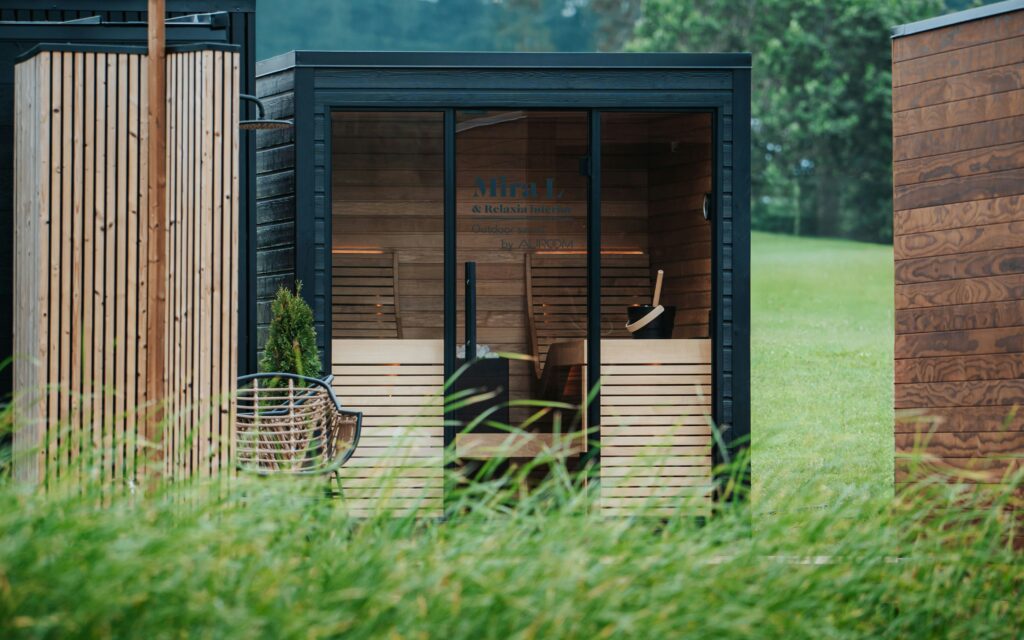
The outdoor sauna has quietly become one of the most sought-after garden upgrades in the UK. Once seen as a luxury reserved for spas and Nordic lake houses, a sauna in your own back garden is now a realistic addition for anyone with a bit of outdoor space and an interest in warmth, recovery, and a daily moment of calm. If you have been tempted by the idea but are not sure where to start, this guide walks through what actually matters when you buy one.
Why people are heating up to home saunas
The appeal is partly about wellbeing and partly about lifestyle. A regular sauna session is a simple ritual that helps people unwind after work, warm up through a cold British winter, and carve out twenty quiet minutes away from screens. Many users describe it as the part of the day they protect most fiercely.
There is also the practical side. A home sauna removes the cost, travel, and scheduling of a gym or spa membership, and it turns an underused corner of the garden into something you genuinely look forward to. Add in the growing interest in heat and cold routines, often paired with a cold plunge or hot tub, and it is easy to see why demand for outdoor saunas has climbed so sharply.
Wood-fired or electric: the first real decision
The biggest choice you will make is how your sauna is heated, and the two main options suit very different people.
Wood-fired saunas are the traditional choice. They produce a soft, enveloping heat and a crackle that many people find is half the experience. There is a ritual to lighting the stove and letting the cabin come up to temperature, and because they need no electrical supply, they can be placed at the far end of a garden without running a cable to them. The trade-off is that you need to store firewood and tend the fire, and heat-up takes a little longer.
Electric saunas are about convenience. You set a temperature, switch on, and the cabin is ready in a predictable amount of time, which suits people who want a sauna on a weekday evening without any fuss. They do require a suitable electrical connection, so the siting needs a little more planning. When you look at the range of wood-fired and electric outdoor saunas for sale, it is worth being honest with yourself about which routine you will actually keep up, because the best sauna is the one you use often.
Size and who will be using it
Outdoor saunas come in everything from compact two-person cabins to larger models that seat four, six, or more. Think realistically about how you will use it. A couple who want a private evening ritual needs far less than a family or a household that plans to share sessions with friends.
Bigger is not automatically better. A larger cabin takes longer to heat, uses more energy or firewood, and takes up more of the garden. A well-sized smaller sauna that heats quickly and feels cosy often gets used far more than an oversized one that feels like an event to fire up.
Getting the siting right
Where you put the sauna shapes how often you will use it and how long it will last. A few principles help. Place it on a firm, level base such as a patio, paving, or a prepared pad, so the structure stays stable and dry underneath. Leave a little clearance around it for airflow and maintenance. Think about the walk from the house, because a sauna you have to trek across a muddy lawn to reach in January will not get used as much as one on a convenient path.
For wood-fired models, consider where smoke will drift and keep a sensible distance from fences and overhanging branches. For electric models, plan the cable run and make sure the electrical work is done by a qualified professional. A sheltered spot that still catches a bit of evening light tends to be the sweet spot.
Quality, materials, and what lasts
A sauna lives outdoors through every season, so build quality is not a place to cut corners. Look for solid timber construction, proper insulation so the cabin holds heat efficiently, and good-quality benches and fittings that will cope with repeated heating and humidity. A well-built cabin heats faster, costs less to run, and simply feels better to sit in.
Delivery and assembly are worth checking too. A sauna is a substantial item, and knowing whether delivery and assembly are included, and whether your postcode is covered, saves a lot of surprises. Buying from a UK supplier that handles this properly makes the whole process far smoother.
Running costs and upkeep
Saunas are not demanding to maintain, but a little care goes a long way. Wipe down the benches, let the cabin air and dry out after use, and keep the interior timber clean. For wood-fired models, clear the ash and keep the flue in good order. For electric models, the heater and stones will need occasional attention. Running costs depend on how often you use it and how well insulated the cabin is, which is another reason build quality pays off over time.
Is a garden sauna worth it?
For most people who buy one and use it regularly, the answer is a clear yes. It becomes a genuine part of daily or weekly life, a private spot for warmth and recovery that needs no booking and no travel. The key is choosing a size and heating type that match how you actually live, siting it somewhere convenient, and buying a well-made cabin from a supplier who will deliver and support it properly.
Frequently asked questions
Which is better, a wood-fired or electric outdoor sauna?
Neither is universally better. Wood-fired saunas offer a traditional experience and need no electrical supply, while electric saunas are faster and more convenient to switch on. Choose based on the routine you will realistically maintain.
How much space do I need for an outdoor sauna?
Less than many people expect. Compact two-person models fit comfortably on a patio corner, while larger four to six-person cabins need more room and take longer to heat. Measure your space and allow a little clearance around the cabin.
Do outdoor saunas need planning permission in the UK?
In many cases a modest garden sauna falls under permitted development, but rules vary by property, size, and siting, especially for listed buildings or conservation areas. Always check with your local planning authority before you buy.
How long does a sauna take to heat up?
It depends on the type and size. Electric saunas typically reach temperature in a predictable, fairly short window, while wood-fired cabins take a little longer as the stove builds heat. Smaller, well-insulated cabins heat fastest.
Can I use an outdoor sauna all year round?
Yes. A well-built, insulated outdoor sauna is designed for year-round use and is often most enjoyable in cold weather. Good siting on a firm base and a convenient path from the house make winter use far more likely.
 Ask Donel Robertsonail how they got into diy home improvement ideas and you'll probably get a longer answer than you expected. The short version: Donel started doing it, got genuinely hooked, and at some point realized they had accumulated enough hard-won knowledge that it would be a waste not to share it. So they started writing.
What makes Donel worth reading is that they skips the obvious stuff. Nobody needs another surface-level take on DIY Home Improvement Ideas, Outdoor Living Solutions, Essential Gardening Tips. What readers actually want is the nuance — the part that only becomes clear after you've made a few mistakes and figured out why. That's the territory Donel operates in. The writing is direct, occasionally blunt, and always built around what's actually true rather than what sounds good in an article. They has little patience for filler, which means they's pieces tend to be denser with real information than the average post on the same subject.
Donel doesn't write to impress anyone. They writes because they has things to say that they genuinely thinks people should hear. That motivation — basic as it sounds — produces something noticeably different from content written for clicks or word count. Readers pick up on it. The comments on Donel's work tend to reflect that.
Ask Donel Robertsonail how they got into diy home improvement ideas and you'll probably get a longer answer than you expected. The short version: Donel started doing it, got genuinely hooked, and at some point realized they had accumulated enough hard-won knowledge that it would be a waste not to share it. So they started writing.
What makes Donel worth reading is that they skips the obvious stuff. Nobody needs another surface-level take on DIY Home Improvement Ideas, Outdoor Living Solutions, Essential Gardening Tips. What readers actually want is the nuance — the part that only becomes clear after you've made a few mistakes and figured out why. That's the territory Donel operates in. The writing is direct, occasionally blunt, and always built around what's actually true rather than what sounds good in an article. They has little patience for filler, which means they's pieces tend to be denser with real information than the average post on the same subject.
Donel doesn't write to impress anyone. They writes because they has things to say that they genuinely thinks people should hear. That motivation — basic as it sounds — produces something noticeably different from content written for clicks or word count. Readers pick up on it. The comments on Donel's work tend to reflect that.