It only takes one cold night and a poorly insulated or located pipe to cause a major water issue – perhaps for example, a pipe near a drafty basement window or one beneath a kitchen sink can freeze and leak, or a pipe under your kitchen sink.
Fortunately, there are a number of measures you can take yourself to minimize the risk ahead of the first cold snap.
Topics Covered in This Article
- How Cold Can Affect Your Pipes
- Identifying and Knowing Your Main Water Shutoff
- 5 easy ways to winterize your home’s plumbing
- Winterizing tips once the cold hits
- De-icing a Frozen Pipe
- What to do if a pipe bursts
- Summary
How Cold Can Affect Your Pipes
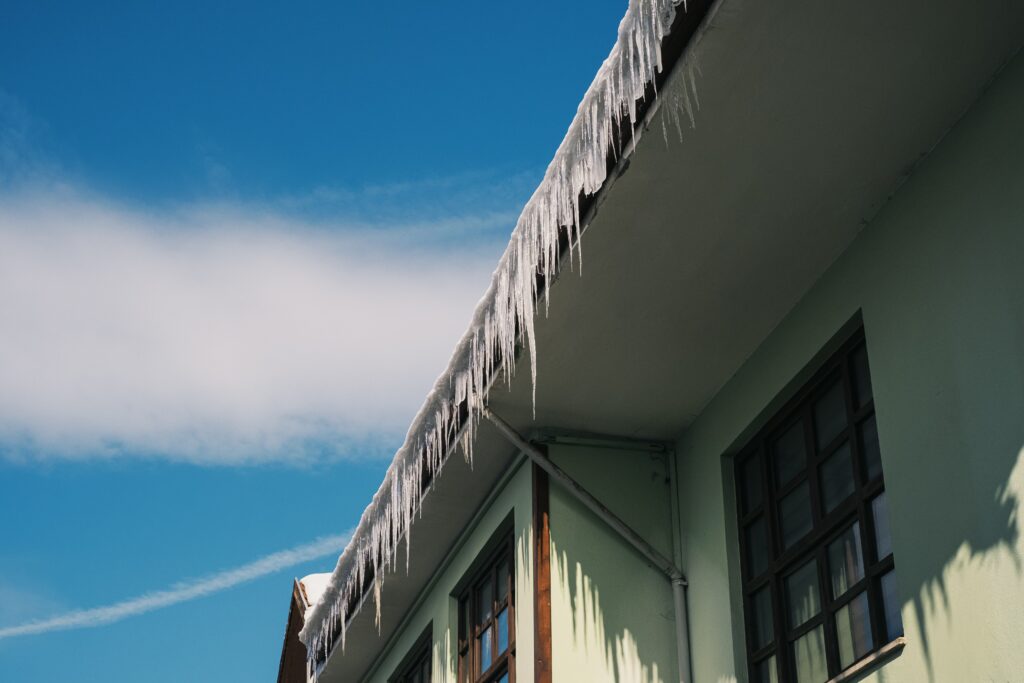
When water freezes, it expands, creating force sufficient to rupture a pipe that is partially or fully obstructed. You may only become aware of this when temperatures rise and allow water to flow, resulting in a leak.
Pipes that are closer to exterior elements and/or are in unheated areas are more likely to be affected:
- Basements / crawlspaces / garage
- Against the external face of the building (e.g. under kitchen/bathroom sink)
- Roof spaces / plant/utility rooms with significant air leakage
- External taps and associated pipework
This also applies to interior pipes if, for example, a window has broken or become ill-fitted and allows freezing air in.
According to the Insurance Information Institute, from 2019 to 2023, the average amount paid per covered homeowners insurance claim for water damage and freezing was $15,400. This category also includes damage unrelated to frozen pipes, for water damage/freezing related losses (including non-freeze causes).
Identifying and Knowing Your Main Water Shutoff
Locate your main water shutoff and ensure you know how to use it prior to undertaking the following. Typically this will be close to the point where water supply enters your home/building, however for flats you should confirm with the super/building owner if it is unique to your home or common to other units.
Confirm which shutoff is yours, if necessary speak with the super/plumber to verify and mark it for others to understand in an emergency (do not actuate the valve if common to other flats!). Confirm you have ready and safe access to operate it. If it is impaired/stuck, you should have this remedied by a professional to prevent further issues should it fail in a real emergency.
You should have an emergency plumber’s number readily available (see emergency plumber NYC for a local option), stored with other important building contacts in case of emergency.
5 easy ways to winterise your home’s plumbing
Each of the following can be achieved without having to cut into plasterboard etc.
1. Wrap/insulate all accessible pipework
Identify the diameter of accessible hot/cold pipework and cover with appropriate insulation material in unheated spaces, ensuring that joints/elbows are also covered. Bear in mind that this does not create heat, but will reduce the rate at which the pipes cool and can therefore freeze in colder periods – seek advice from a professional as to whether you should install pipe heating or other measures if applicable.
2. Stop draughts reaching pipework
Ensure windows/doors in basements/plant rooms and around any penetrations into the building where pipework passes are adequately sealed (being careful not to seal required ventilation/access points), and weather seals are in good order.
3. Remove any garden hoses
Remove and drain any hoses connected to external taps and ensure that the internal tap valve feeding them is closed & drained accordingly (if provided). Ensure hoses are disconnected, even if using a frost free external tap as these can retain some water.
4. Leave cupboard doors open
During very cold nights, leave cupboards containing pipework (typically beneath sinks against an external wall) open to allow more ambient air to circulate around them. Ensure you relocate anything hazardous to small children/pets from within.
5. Inspect around your water meter
If you can access the water meter (usually in the basement/garage in NYC), ensure there are no gaps, cracks or insufficient sealing around the meter/pipework allowing cold air to impact them. Ensure the meter is accessible, and ask a merchant/super/plumber whether additional insulation should be fitted.
Winterizing tips once the cold hits
With colder weather, take the following precautions on a regular basis to reduce the risk of your pipes freezing:
- Maintain a reasonable level of heating through the day/night (the American Red Cross recommends a minimum temperature of 55°F if away from home) – this may not be sufficient to protect pipework in some locations such as an unheated crawlspace; refer above.
- Run a tap with a slow stream of cold water where it supplies from an at-risk section of pipe. Note this should be a secondary precaution only, and if you’re subject to a water restriction or building rule, follow the guidance provided.
- Close your garage door where it contains pipework, and ensure the rest of your colder plant/utility rooms are maintained at a sensible temperature (rather than simply checking where the thermostat is located!).
- In the event of loss of heating, escalate this appropriately and consider the exposure of any pipework, acting before water ceases to come from your taps.
De-icing a Frozen Pipe
If water is running slowly/trickling from your taps and there is no other apparent cause, this could indicate a frozen section of pipe, particularly if it traverses an external wall. Check other taps to establish the extent of the impacted pipework.
Carefully inspect for any damage to the pipe before commencing de-icing, as it may be leaking and will need a professional to attend; defrosting could exacerbate the damage/leak.
Provided the pipe is intact and accessible, leave the tap on and carefully apply heat to the affected area (e.g. hot towels, hairdryer if the surrounding area is completely dry) until water begins to flow freely again. Do not attempt to apply high temperatures or a naked flame, and if you cannot resolve the obstruction, contact a qualified professional.
What to do if a pipe bursts
In the event of a burst pipe, immediate action should be taken to arrest water flow and evacuate/keep occupants safe from the water. There is no point attempting to remedy the pipe until the source has been isolated and made safe.
Actions to take include:
- Isolate the water supply if possible (ensure you do the correct shutoff, and contact the super/manager if it affects other residents);
- Remain clear of electrics – if in any doubt, seek emergency assistance;
- Contact a professional plumber for remedial works (provide them with information on location of burst pipe, status of water supply and any impact to rooms/contents);
- Mitigate spread of water to contents (to the extent it is safe to do so and avoiding electrical risks); and
- Photograph damage and liaise with your insurance provider/landlord to discuss further remedial actions.
If you reside in a rental flat in New York City, you should raise this with your landlord/super as soon as possible, and can also raise it with NYC311 (if no resolution with landlord). Note the latter should not be relied on in an emergency scenario.
Water should remain isolated until the pipe has been repaired and verified as sound.
Summary
By taking simple steps to insulate your at-risk pipes and eliminate cold air ingress ahead of freezing temperatures, you can mitigate the likelihood of water damage to your property. Should temperatures fall and you have not completed all the above, maintain adequate heat levels to your pipes. In the event of a pipe failing, your priority should be ensuring the safety of occupants and halting the water flow to limit the damage.