Why Composting Is a Game Changer
Composting isn’t just a backyard trend it’s a powerful tool for anyone looking to live more sustainably. Whether you’re gardening, reducing waste, or simply looking for eco friendly habits, composting checks all the boxes.
Here’s What Makes Composting Worth It
Cuts Down Household Waste
Over 30% of the average household’s trash is made up of food scraps and yard waste. Instead of sending it to the landfill, composting turns it into something usable keeping waste out of landfills and reducing methane emissions.
Builds Healthy, Chemical Free Soil
Compost enriches the soil with nutrients, improves texture, and boosts microbial activity. Your plants get stronger, and your garden needs fewer chemicals. It’s a win for both your crops and the environment.
Saves Money on Store Bought Fertilizers
With quality compost on hand, there’s less need to buy commercial fertilizers, soil conditioners, or additives. You’re essentially creating free, nutrient rich soil food right from your kitchen scraps and garden clippings.
Supports Sustainable Living
Composting is a simple but impactful step toward sustainability. It reduces your carbon footprint, supports biodiversity in your soil, and promotes a closed loop system in your household routine.
Learn more about organic gardening basics to get the most out of your compost and grow a thriving, chemical free garden.
What You Can (And Can’t) Compost
Getting your compost mix right starts with knowing what goes in and what stays out. The key is a good balance between green and brown materials.
Green materials are your nitrogen sources. Think veggie peels, coffee grounds, and fresh grass clippings. These break down quickly and get the decomposition going fast. Too much, though, and your pile can get slimy.
Brown materials bring the carbon. Dry leaves, shredded cardboard, and used paper towels are your go to. They balance the greens and help air circulate, which keeps the pile from turning into a swampy mess.
As for what not to compost: skip the meat, dairy, and anything greasy. These attract pests and take forever to break down. They’ll also mess with the balance of your pile.
Stick to those rules, and you’ve got a solid base to build rich, healthy compost.
Setting Up Your Compost System
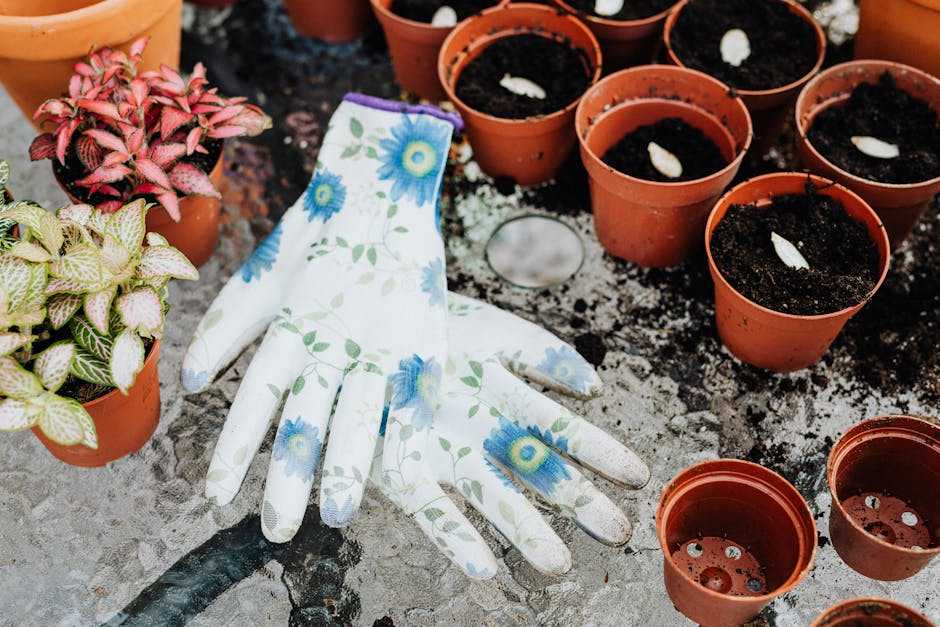
You don’t need a farm or a backyard to start composting you just need a system that matches your setup. Outdoors, you’ve got three main options: tumblers, bins, and open piles. Tumblers make turning the compost easy and fast, though they cost more. Enclosed bins are compact, lower maintenance, and great for keeping pests out. If space isn’t an issue and you’re not too worried about aesthetics, an open pile is the most basic (and cheapest) choice, but it does need regular attention.
For indoor composting, things scale down. Worm bins vermicomposting use red wigglers to break down food scraps fast with minimal smell. They’re ideal for apartments if you’ve got a little floor space and don’t mind getting familiar with your worms. If you’re after ultra low maintenance, a simple sealed countertop container can collect scraps until you’re ready to transfer them outside or to a local drop off.
Bottom line: pick what suits your living space, time, and comfort level. Composting isn’t one size fits all and that’s the whole point.
Key Tips to Keep It Going
Once your compost pile is up and running, keeping it healthy just takes a bit of upkeep. Start with one simple rule: aim for twice as much “brown” material as “green.” Browns like dry leaves and cardboard add carbon. Greens fruit scraps, fresh grass add nitrogen. Too much green, and things get slimy. Too much brown, and the pile stalls. Keep the 2:1 balance, and the microbes will do their job.
Turn the pile every week or two. You’re not fluffing a pillow here it’s about getting oxygen in, which speeds up decomposition and prevents odors. A pitchfork or a compost aerator works. Just dig in and mix it up.
Moisture matters. The pile should feel like a wrung out sponge. If it’s too dry, sprinkle some water. Too wet? Toss in more browns to soak it up. If it starts to smell funky or attracts pests, that’s not “just compost doing its thing” it’s a red flag. Usually, it means you’ve got too much green or it’s not getting enough air. Adjust your mix and turn it more often.
Done right, compost keeps itself going. Just feed it, stir it, and listen when it starts acting weird.
When It’s Ready and How To Use It
You’ll know your compost is ready when it looks dark, feels crumbly, and smells like fresh soil. No slimy bits, no weird odors just rich, earthy goodness. That’s your signal.
Use it where it counts. Mix it straight into garden beds to give your plants slow release nutrients they can feed on all season. Sprinkle it into pots with your houseplants or stir a handful into your herb planters. The beauty of finished compost is that it works quietly in the background, improving soil structure and feeding roots over time.
Don’t rush the process quality compost takes a few months. But once it’s done, your garden won’t just grow. It’ll thrive.
Brush up on organic gardening basics for best results once your compost is ready.
 Ask Linda Rossindals how they got into interior design trends and you'll probably get a longer answer than you expected. The short version: Linda started doing it, got genuinely hooked, and at some point realized they had accumulated enough hard-won knowledge that it would be a waste not to share it. So they started writing.
What makes Linda worth reading is that they skips the obvious stuff. Nobody needs another surface-level take on Interior Design Trends, Essential Gardening Tips, Outdoor Living Solutions. What readers actually want is the nuance — the part that only becomes clear after you've made a few mistakes and figured out why. That's the territory Linda operates in. The writing is direct, occasionally blunt, and always built around what's actually true rather than what sounds good in an article. They has little patience for filler, which means they's pieces tend to be denser with real information than the average post on the same subject.
Linda doesn't write to impress anyone. They writes because they has things to say that they genuinely thinks people should hear. That motivation — basic as it sounds — produces something noticeably different from content written for clicks or word count. Readers pick up on it. The comments on Linda's work tend to reflect that.
Ask Linda Rossindals how they got into interior design trends and you'll probably get a longer answer than you expected. The short version: Linda started doing it, got genuinely hooked, and at some point realized they had accumulated enough hard-won knowledge that it would be a waste not to share it. So they started writing.
What makes Linda worth reading is that they skips the obvious stuff. Nobody needs another surface-level take on Interior Design Trends, Essential Gardening Tips, Outdoor Living Solutions. What readers actually want is the nuance — the part that only becomes clear after you've made a few mistakes and figured out why. That's the territory Linda operates in. The writing is direct, occasionally blunt, and always built around what's actually true rather than what sounds good in an article. They has little patience for filler, which means they's pieces tend to be denser with real information than the average post on the same subject.
Linda doesn't write to impress anyone. They writes because they has things to say that they genuinely thinks people should hear. That motivation — basic as it sounds — produces something noticeably different from content written for clicks or word count. Readers pick up on it. The comments on Linda's work tend to reflect that.