Know Your Garden First
Before you plant a single seed, know your sun. Light shapes everything in a garden what grows, thrives, or shrivels. Start by figuring out how much sunlight each part of your space actually gets. In basic terms:
Full sun = 6 or more hours of direct light.
Partial sun/shade = 3 to 6 hours.
Full shade = Less than 3 hours.
To track it accurately, pick a clear day and check your garden at regular intervals morning, midday, and late afternoon. Do this for a few days (or weeks, if you’ve got the patience). Seasons matter too. Trees fill in, buildings cast longer shadows, and what’s sunny in April might be shady come July.
You can sketch a simple sun map or use your phone and mark photos by time and location. Doesn’t need to be fancy just clear enough for you to spot patterns.
Why does this matter? Because even great soil and perfect watering won’t help a sun loving tomato in a dense shade bed. Plants are wired for specific conditions, and sun exposure is as non negotiable as it gets.
Bottom line: Know your light, and your garden will thank you.
Best Plants for Full Sun
If your garden bakes in full sun for six hours or more each day, you’ve got both a challenge and an opportunity. The good news? Plenty of plants are built to thrive in that heat.
Start with the classics. Lavender, coneflower, salvia, and tomatoes are reliable performers that won’t blink under a hot midday sun. They’re tough, rooted deep, and love the light. Tomatoes especially enjoy sun drenched beds as long as you stay on top of watering.
For herbs and veggies, go with proven heat lovers like basil, rosemary, and peppers. These plants don’t just tolerate warmth they need it to reach full flavor. Leaf curling and wilting in the late afternoon may look alarming, but many of these species bounce back by evening if their roots are well managed.
Speaking of roots: intense sun means quicker soil dry out, so hydration isn’t optional it’s foundational. Water deeply, not just often. And do it early, before the heat peaks, so moisture has time to settle in rather than evaporate. Skip the overhead sprays and go for direct to root watering. For more on what to avoid, check out these watering mistakes to dodge.
Bottom line: full sun doesn’t have to mean high stress. With the right picks and a simple watering strategy, your garden will not just handle the heat it’ll show off in it.
Best Plants for Partial Sun/Partial Shade
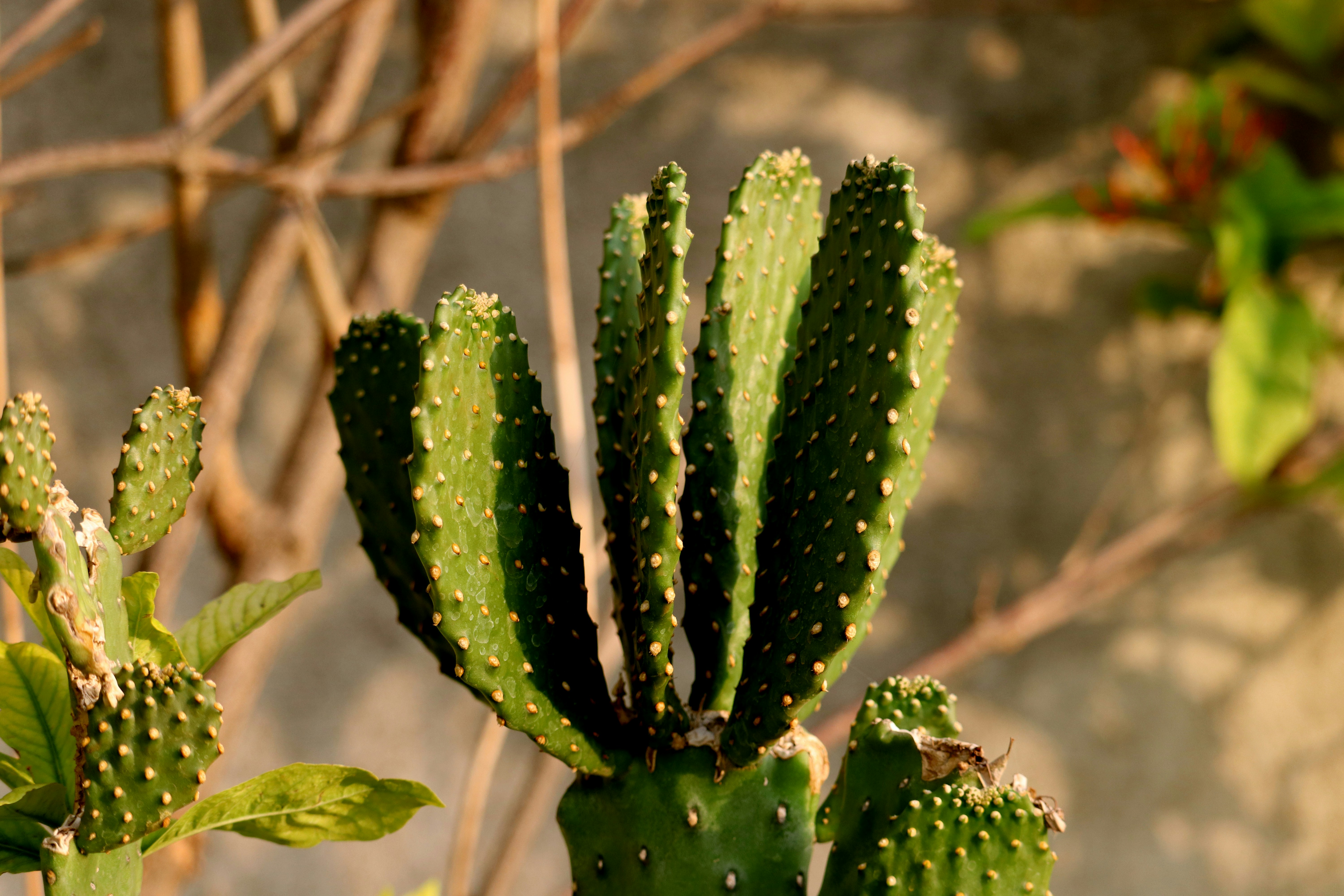
Gardens with a mix of light and shadow can feel tricky, but they offer more options than you’d think. Certain plants thrive in that middle ground hydrangeas, daylilies, lettuce, and kale are all flexible picks that don’t mind some morning sun with afternoon shade, or dappled light through tree cover.
The key is choosing varieties that tolerate both temperature swings and low light spots. Partial areas near fences or walls can trap heat in unexpected ways. A bed that looks shaded at noon might hit 90°F by late afternoon, thanks to reflected heat bouncing off nearby surfaces. Understanding these microclimates helps avoid putting the wrong plant in the right looking place.
Also, watering isn’t one size fits all in mixed light zones. Some spots dry out faster, others hold moisture. Overwatering shaded plants or underwatering sun exposed ones can lead to early wilt or root issues. Be deliberate and adjust your habits. Pro tip: don’t assume your soil tells you the full story dig down a couple inches. You might be surprised. For more, check out this guide on what not to do
Best Plants for Full Shade
Gardening in full shade doesn’t mean compromising on beauty or productivity. Plenty of plants not only tolerate low light they thrive in it. Knowing what to grow and how to care for these shade dwellers is key to a thriving low light garden.
Reliable Shade Lovers
Fill darker corners of your garden with foliage and blooms that appreciate the shade:
Hostas: Known for their stunning foliage, hostas add texture and come in a wide range of sizes and colors.
Ferns: From maidenhair to ostrich ferns, these are perfect for bringing a wild, woodland feel.
Impatiens: These flowering annuals thrive in low light and come in a rainbow of colors.
Begonias: Add consistent color in shady spots with their delicate blooms and striking foliage.
Edible Options for Low Light Areas
Not all edibles demand long sun hours. Here are a few that can tolerate and even prefer shade:
Mint: Fast growing and aromatic, mint is ideal for shady corners (but keep it contained it spreads quickly).
Spinach: Performs well in cooler conditions and appreciates filtered light.
Arugula: Grows quickly and adds a peppery kick to salads, even with limited sunlight.
Soil Tips for Shady Spots
Shade often means less evaporation, which impacts both moisture levels and soil composition. Set your plants up for success:
Improve Drainage: Shaded areas can become compacted or soggy lighten the soil with compost or leaf mold.
Retain Moisture Thoughtfully: While shade reduces evaporation, you still need to help roots retain what they need. Mulch wisely with bark or straw.
Watch for Overwatering: Because water sticks around longer in shaded areas, check the soil before you water to avoid root rot.
With the right plants and smart soil strategies, your shade garden can become a lush, vibrant sanctuary without needing direct sun.
Pro Tips for Smart Plant Placement
Start with the basics: your sun exposure map isn’t just a nice to have it’s your playbook. Plant tags aren’t decorative; they tell you exactly how much light and water each plant wants. Match them up with what your garden actually offers. Don’t force a full sun bloomer into a shady corner. It won’t end well.
Group plants with similar needs. It’s easier on your time and helps avoid overwatering or under lighting something by accident. Plants stressed by bad placement don’t just grow slower they get sick, needy, and prone to pests.
Got a spot that’s too hot or bright? Use taller plants or small structures like trellises or pergolas to throw some shade. Shade pockets give you more flexibility across zones, especially when the sun shifts through seasons.
Finally, keep a planting journal. Nothing fancy. Just a record of what you plant, where, and how it performs. It turns trial and error into actual progress. You’ll start to see patterns, remember soil fixes, and avoid repeating the same flops next season.
Maximize Your Garden’s Potential
Sun exposure isn’t a limitation it’s a blueprint. The more you understand how light lands on your space, the smarter your plant choices become. Instead of guessing, you’re working with facts: this spot gets six hours of intense light, this corner barely sees the sun. That kind of clarity cuts down on trial and error.
When you match the right plant to the right conditions, everything gets easier. There’s less fussing with compost, watering, or pest management. Plants actually grow instead of just surviving. They become self sufficient teammates in your garden’s success.
So don’t just dig and hope. Note how the sun shifts through the seasons. Keep track of what thrives where. Be deliberate. A mindful garden isn’t just prettier it’s better all around. Less stress, more green, and a whole lot more satisfaction.
 Ask Linda Rossindals how they got into interior design trends and you'll probably get a longer answer than you expected. The short version: Linda started doing it, got genuinely hooked, and at some point realized they had accumulated enough hard-won knowledge that it would be a waste not to share it. So they started writing.
What makes Linda worth reading is that they skips the obvious stuff. Nobody needs another surface-level take on Interior Design Trends, Essential Gardening Tips, Outdoor Living Solutions. What readers actually want is the nuance — the part that only becomes clear after you've made a few mistakes and figured out why. That's the territory Linda operates in. The writing is direct, occasionally blunt, and always built around what's actually true rather than what sounds good in an article. They has little patience for filler, which means they's pieces tend to be denser with real information than the average post on the same subject.
Linda doesn't write to impress anyone. They writes because they has things to say that they genuinely thinks people should hear. That motivation — basic as it sounds — produces something noticeably different from content written for clicks or word count. Readers pick up on it. The comments on Linda's work tend to reflect that.
Ask Linda Rossindals how they got into interior design trends and you'll probably get a longer answer than you expected. The short version: Linda started doing it, got genuinely hooked, and at some point realized they had accumulated enough hard-won knowledge that it would be a waste not to share it. So they started writing.
What makes Linda worth reading is that they skips the obvious stuff. Nobody needs another surface-level take on Interior Design Trends, Essential Gardening Tips, Outdoor Living Solutions. What readers actually want is the nuance — the part that only becomes clear after you've made a few mistakes and figured out why. That's the territory Linda operates in. The writing is direct, occasionally blunt, and always built around what's actually true rather than what sounds good in an article. They has little patience for filler, which means they's pieces tend to be denser with real information than the average post on the same subject.
Linda doesn't write to impress anyone. They writes because they has things to say that they genuinely thinks people should hear. That motivation — basic as it sounds — produces something noticeably different from content written for clicks or word count. Readers pick up on it. The comments on Linda's work tend to reflect that.