Mood Driven Minimalism
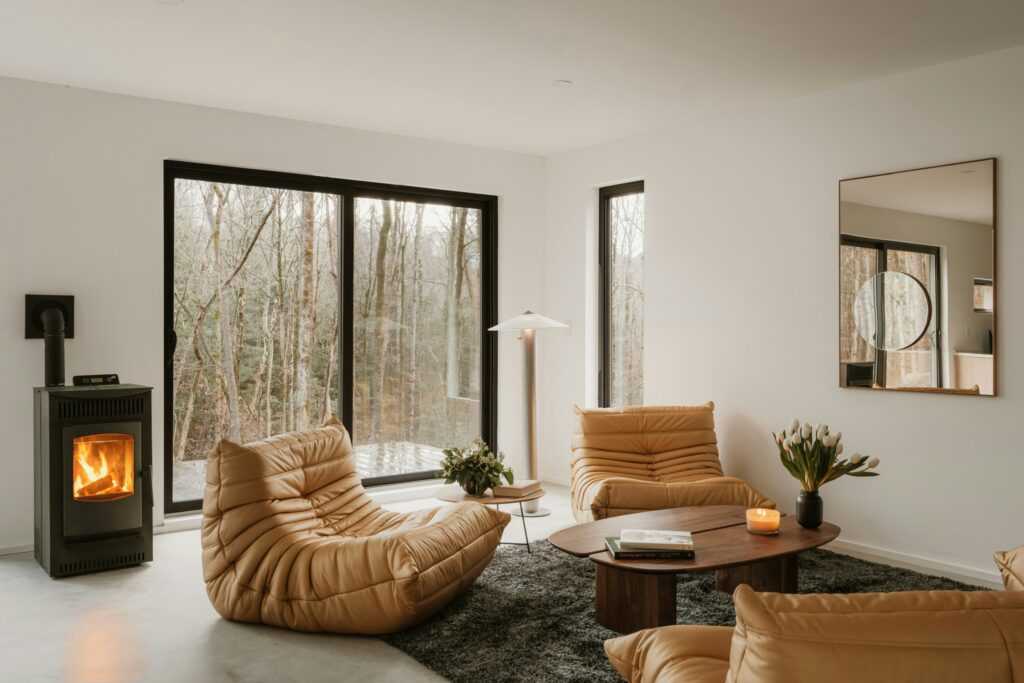
Minimalism in 2026 isn’t about cold, empty spaces it’s about clarity with feeling. Designers are dialing down the noise, but not the emotion. The focus is shifting from just clean lines to deeper resonance. It’s about how a space makes you feel when you walk in: calm, open, grounded. Soft neutrals set the tone, warm woods add life, and lightly layered textiles bring a quiet comfort. Translucent materials like linen sheers and frosted glass let light move, breathe, and reflect.
This new wave builds on the pared back looks of 2024 but adds warmth and human presence. Back then, minimalism nodded to functionality now, it leans into mood. There’s less clutter, but more soul. And as people continue to seek physical environments that counter digital overload, this form of minimalism feels more like a balm than a design trend.
See how 2024 laid the foundation here.
High Tech Meets High Touch
Technology in interior design is no longer about flashy upgrades or novelty gadgets—it’s now a practical way to design a house with clarity and confidence. Platforms like Canva now offer tools that let you design a house visually, using drag-and-drop layouts, floor plan templates, and customizable design elements to map out ideas quickly and intuitively.
Seamless, Invisible Tech
Forget bulky sound systems or obvious control panels 2026 is all about tech that disappears into the design. When implemented thoughtfully, technology enhances ambiance and functionality without stealing the spotlight.
Invisible speakers seamlessly built into walls or furniture
Adaptive lighting that adjusts to circadian rhythms, weather, or mood
AI assisted layouts that optimize space flow and furniture placement based on usage patterns
These features aren’t just about convenience they quietly create comfort and fluidity in daily routines.
A Soft Counterbalance: Textures & Craftsmanship
To keep smart features from feeling cold or sterile, designers in 2026 are doubling down on tactile warmth. The goal is to build spaces that feel alive and inviting, not mechanical.
Handwoven textiles layered on smart furniture pieces
Ceramic and stone objects hand crafted to add soul to high tech settings
Natural fibers and organic finishes that soften digital elements
This blend of high tech with high touch materials offers the best of both worlds modern convenience grounded in timeless emotion.
Creating Emotionally Intelligent Spaces
The rise of emotionally responsive homes means interiors are expected to understand and support your lifestyle on a deeper level. Whether it’s lighting that helps you wind down or a voice assistant that speaks in a calming tone, the design serves you quietly and intuitively.
By combining smart systems with handcrafted details, 2026 homes strike a rare balance: technologically advanced yet deeply human.
Earth Tones Reimagined
Color is getting gutsier, but it’s not loud for the sake of loud. Think deep moss greens, sunbaked terra cotta, muted ochres all pulled straight from nature’s palette. These tones aren’t just about style. They’re signaling something deeper: a more conscientious, grounded approach to how we live.
In 2026, interior color choices are becoming reflections of values. An earthy palette suggests connection to the planet, slower living, and the desire for homes that feel stable in a chaotic world. Walls, textiles, and furniture are borrowing from the forest floor, the clay earth, and golden hours.
But it’s not just about color. Recycled and natural materials are moving from the edges to center stage. Expect cork, hemp, reclaimed woods, and stone to show up in living rooms and kitchens everywhere. It’s design that looks good and feels responsible because in this new chapter, aesthetics and ethics aren’t separate.
Sculptural Everything
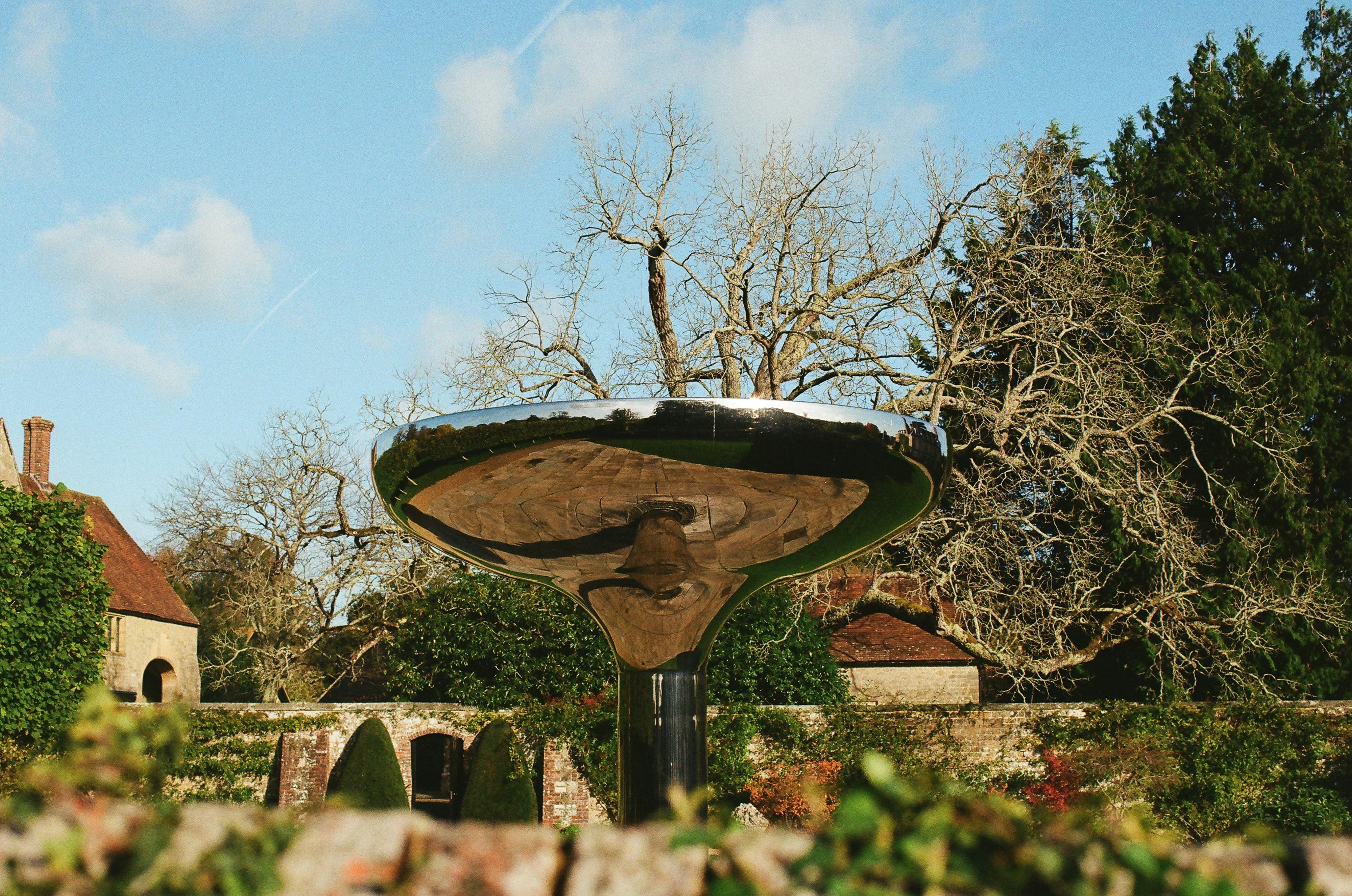
In 2026, design isn’t just about function it’s form pushed into the spotlight. Everyday objects are doubling as statement pieces. Chairs that resemble art gallery installations. Lighting that casts just as much personality as it does illumination. Even hardware knobs, handles, hooks is being treated like jewelry for the home.
The sharp, clinical lines of past years are softening. Designers are leaning into curves, flowing shapes, and asymmetry to create spaces that feel less rigid and more human. It’s comfort reimagined as visual calm a reaction to years of sharp minimalism and hypermodern edges that didn’t always feel livable.
This rising aesthetic nods to the organic silhouettes popular in 2024, but with more purpose. Back then, curves were about vibe. Now, they’re doing double duty: softening interiors and serving as focal points. As we head deeper into a design era focused on emotion and presence, expect more sculptural impact and less visual noise.
Multi Sensory Spaces
Design in 2026 is no longer just a visual game it’s immersive. Homeowners and designers are tuning into how a space sounds, smells, and even feels underfoot. Living rooms now come layered with ambient soundscapes that shift throughout the day, subtly influencing mood and focus. Acoustic proofed walls, fabric panels, and even furniture are helping shape interior sound in ways we didn’t bother with five years ago.
Texture is getting smarter, too. Kitchens are being arranged so movement flows naturally not just for function, but to reduce stress. Materials like limewash plaster or tactile tiles make surfaces feel lived in and calming. Scents are no longer an afterthought. Natural diffusion systems fold aromatherapy into the daily rhythm, turning homes into low maintenance sanctuaries.
What’s behind this? A rising demand for wellness, especially in a world where home is still HQ for work, rest, and everything in between. Whether you’re in the middle of a city high rise or renovating a rural cottage, these sensory first designs are grounding, human, and quietly powerful.
Hyper Flex Living
In 2026, interior design is all about function meeting freedom and that means making every square foot count. As lifestyles become more dynamic, so must the spaces we live in. Enter hyper flex living: a trend prioritizing adaptiveness without compromising on aesthetics.
Furniture That Works Hard (and Smart)
Say goodbye to single use spaces. The furniture of 2026 is built to serve multiple functions throughout the day:
Sofas that transform into workstations or guest beds
Dining tables with modular extensions, perfect for everything from meals to meetings
Storage ottomans and armoires doubling as yoga stations or charging hubs
The mindset? Pieces that earn their place through multifunctionality and beautiful design.
Design Zones That Bend, Not Break
Flexibility doesn’t stop at furniture. Designers are expertly layering open concept spaces with intuitive zones:
Sliding panels or textured dividers to create visual separation without closing off light
Rugs, lighting, and ceiling treatments used to subtly distinguish activity areas
Portable lighting and accent furniture that shift easily with needs
These spaces seamlessly transition between work, wellness, social, and rest modes all without looking chaotic.
A Response to a Global Shift
Hyper flex living isn’t just a style choice it’s a direct reflection of where society is heading:
Urban downsizing is on the rise, with more people choosing thoughtful smaller living
Remote work and a growing embrace of nomadic lifestyles demand more fluid environments
Sustainable living encourages buying less but better choosing pieces that last and serve multiple purposes
The result is a high functioning home that feels intentional, adaptable, and deeply personal ready for anything the day demands.
Interior Design in 2026 = Smart, Soulful, Sustainable
Why Emotional Resonance Matters More Than Ever
In 2026, interior design is defined not just by aesthetics, but by how a space makes you feel. Homes are more than styled they’re curated for emotional impact. Mood, memory, and mindfulness influence everything from color choice to lighting layout.
Spaces are designed to comfort, energize, or inspire
Emotional wellbeing is driving design decisions
Personalization takes priority over perfection
The Merge of Tech, Texture, and Tone
Technology, once seen as cold or impersonal, is now quietly embedded into the backdrop of thoughtfully designed spaces. When paired with tactile materials and intentional color palettes, high tech becomes high touch.
Tech: Voice activated lighting, AI assisted layouts, and hidden smart features
Texture: Organic materials like linen, raw wood, and hand formed ceramics
Tone: Earthy, calming hues that mirror natural landscapes
Together, these elements form interiors that are as functional as they are comforting bridging digital capability with sensory depth.
Looking Back to Move Forward
Many of 2026’s leading trends have their roots in earlier years, particularly in the mindful approaches of 2024. But the difference lies in intention. The future of design is not just about beauty or efficiency it’s about meaning.
Builds on minimalism, sustainability, and organic curves from 2024
Moves beyond trend into lifestyle
Human centric design is no longer optional it’s foundational
2026 is the year interiors become truly alive: intuitive, immersive, and deeply personal.
 Ask Linda Rossindals how they got into interior design trends and you'll probably get a longer answer than you expected. The short version: Linda started doing it, got genuinely hooked, and at some point realized they had accumulated enough hard-won knowledge that it would be a waste not to share it. So they started writing.
What makes Linda worth reading is that they skips the obvious stuff. Nobody needs another surface-level take on Interior Design Trends, Essential Gardening Tips, Outdoor Living Solutions. What readers actually want is the nuance — the part that only becomes clear after you've made a few mistakes and figured out why. That's the territory Linda operates in. The writing is direct, occasionally blunt, and always built around what's actually true rather than what sounds good in an article. They has little patience for filler, which means they's pieces tend to be denser with real information than the average post on the same subject.
Linda doesn't write to impress anyone. They writes because they has things to say that they genuinely thinks people should hear. That motivation — basic as it sounds — produces something noticeably different from content written for clicks or word count. Readers pick up on it. The comments on Linda's work tend to reflect that.
Ask Linda Rossindals how they got into interior design trends and you'll probably get a longer answer than you expected. The short version: Linda started doing it, got genuinely hooked, and at some point realized they had accumulated enough hard-won knowledge that it would be a waste not to share it. So they started writing.
What makes Linda worth reading is that they skips the obvious stuff. Nobody needs another surface-level take on Interior Design Trends, Essential Gardening Tips, Outdoor Living Solutions. What readers actually want is the nuance — the part that only becomes clear after you've made a few mistakes and figured out why. That's the territory Linda operates in. The writing is direct, occasionally blunt, and always built around what's actually true rather than what sounds good in an article. They has little patience for filler, which means they's pieces tend to be denser with real information than the average post on the same subject.
Linda doesn't write to impress anyone. They writes because they has things to say that they genuinely thinks people should hear. That motivation — basic as it sounds — produces something noticeably different from content written for clicks or word count. Readers pick up on it. The comments on Linda's work tend to reflect that.