Simplify Without Sterilizing
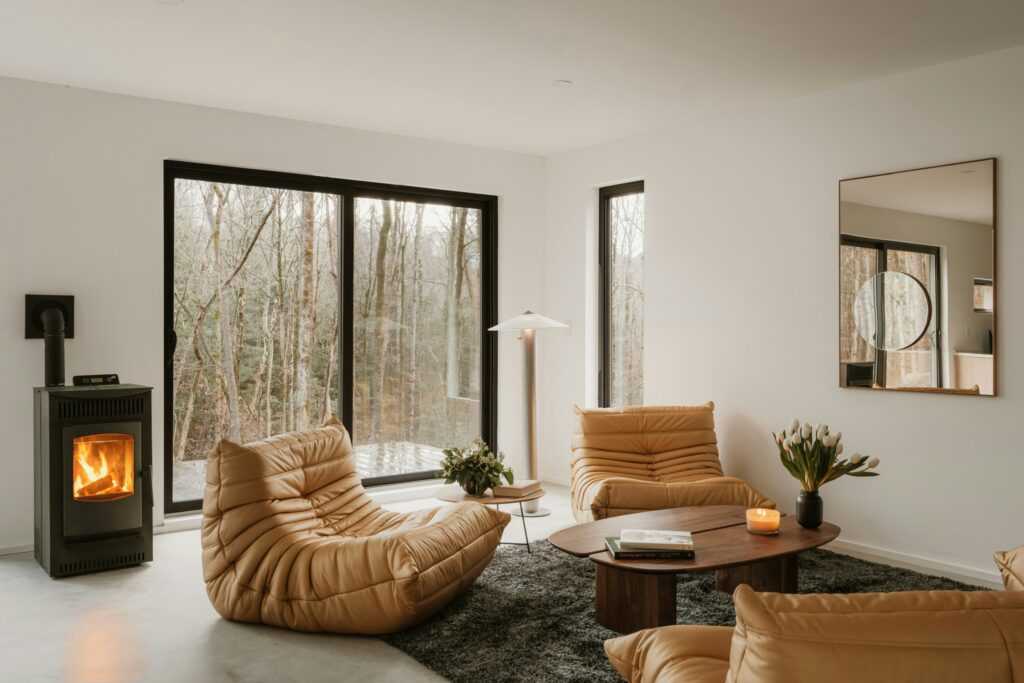
Minimalist design is often misunderstood as cold, empty, or overly strict. But minimalism doesn’t have to feel lifeless in fact, when done right, it creates a sense of calm, comfort, and quiet warmth. The key lies in being intentional about every choice, down to the textures, materials, and functional layout.
Minimalism With Warmth
Minimalist spaces thrive on restraint but not at the cost of personality or comfort. To create a warm minimalist space, focus less on removing things and more on choosing the right things.
Don’t strip your space to the bone. Instead, pare down to essentials that still feel personal and grounded.
Use décor that has subtle warmth think natural wood tones over stark black or chrome.
Prioritize shape and feel: soft edges, plush throws, and matte finishes all soften a minimal aesthetic.
Rule to Remember: Quality Over Quantity
A cornerstone of warm minimalism is investing in fewer, better pieces. One well made rug or artisan crafted lamp will elevate your space far more than a dozen trendy objects.
Curate instead of cluttering
Choose materials that age well and add depth over time
Focus on meaningful rather than decorative pieces
Texture > Color for Warmth
While color does matter, texture is often what gives minimal spaces their sense of life and comfort. Layering tactile elements helps offset any perceived coldness.
Mix smooth and rough surfaces (like sleek stone with woven fabric)
Use soft textiles: think linen, wool, boucle, and cotton
Bring in texture through throws, upholstery, wall panels, and flooring
Texture invites touch and touch adds comfort. It’s a quiet cue that a space is meant to be lived in, not just admired.
Warm Neutrals Over Clinical Whites
Plain white walls might look sleek in photos, but in real life, they can come off cold and sterile. If you’re aiming for minimalist with warmth, skip the showroom whites and lean into warm neutrals. Think beige, taupe, earthy greys, and that muted olive tone that somehow makes everything feel grounded. These shades aren’t loud, but they create a sense of calm and approachability.
The trick is layering. A single color in isolation can still feel flat. But pairing similar tones say, a soft taupe couch with sandy colored curtains and a muted olive pillow adds quiet depth. It keeps the space grounded, without cluttering the eye. Minimalist doesn’t mean monochrome.
Accent tones pull even more weight here. Use them thoughtfully. A rust throw blanket, a dusty rose linen, or even deep charcoal in art or ceramics can break up all that quiet. Texture helps, but tone carries the mood. Warm neutrals keep things feeling lived in, not just designed.
Lighting That Softens, Not Washes Out
Minimalist design often relies on simplicity, but light plays a crucial role in preventing those clean lines and open spaces from feeling sterile. The right lighting strategy brings warmth without clutter, giving every room a welcoming, lived in feel.
Maximize Natural Light
Natural light is always the ideal starting point. It creates a soft, organic glow that instantly adds warmth:
Keep window treatments sheer or minimal to let in more daylight
Use mirrors to reflect light and visually expand the space
Arrange furniture to avoid blocking window paths
Even on overcast days, diffused sunlight can make a space feel more open and calm.
Choose Warmer Bulbs
Artificial lighting doesn’t have to mean harsh or clinical. The color temperature of your bulbs makes a noticeable difference in ambiance:
Opt for soft white bulbs (2700 3000K) for a cozy warmth
Avoid daylight LEDs (5000K and above) in living areas they can feel too bright and cold
Use dimmable bulbs where possible to control mood throughout the day
Add Layers with Accent Lamps
Overhead lighting alone often falls flat in minimalist spaces. Layering light through floor and table lamps introduces depth and comfort:
Place floor lamps in corners to soften hard angles
Use table lamps with linen or matte shades to diffuse light gently
Select materials like wood, ceramic, or metal with warm finishes for added texture
Creating pockets of light encourages intimacy and makes even minimalist rooms feel more human and inviting.
Textures That Ground the Room
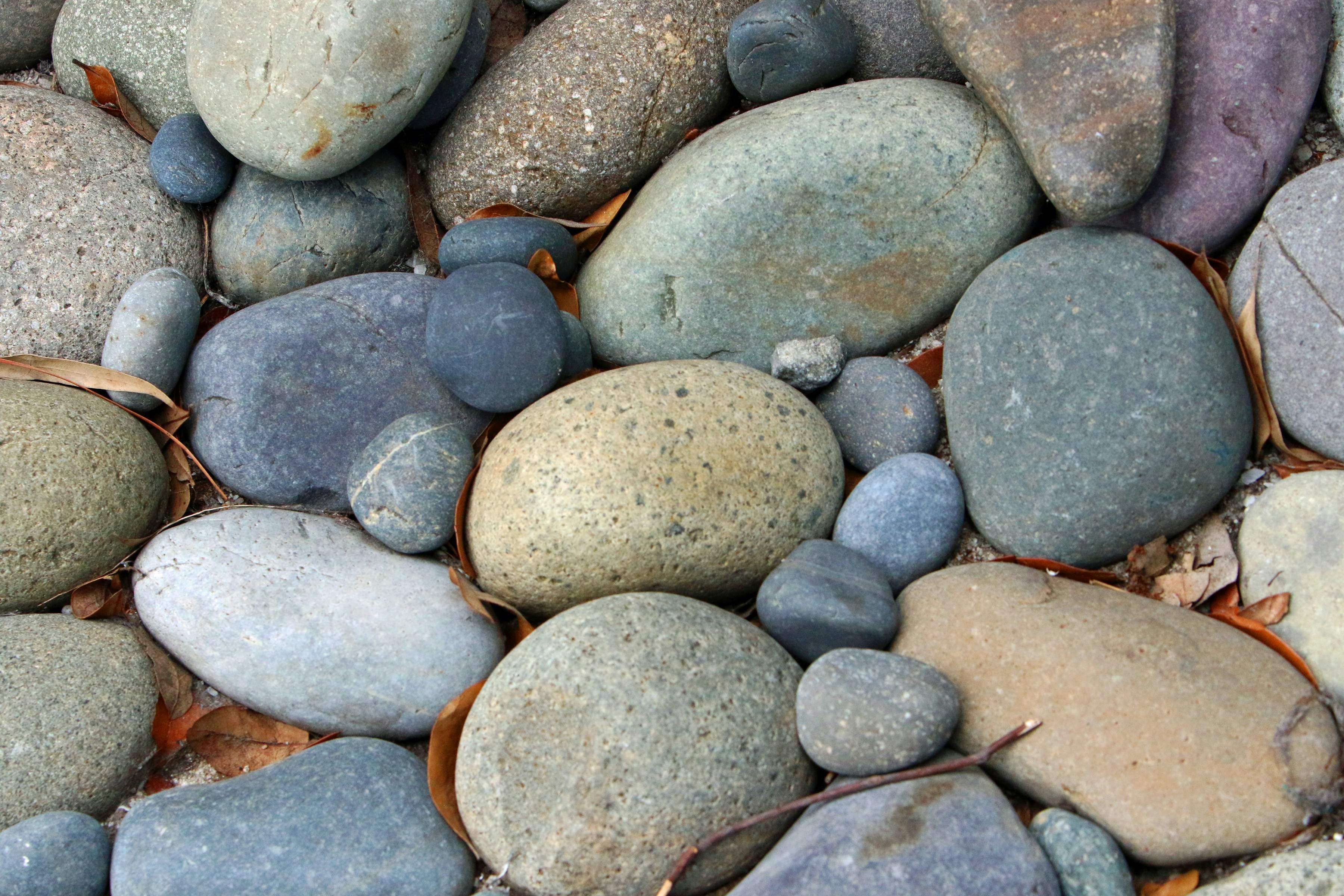
Minimalist doesn’t mean flat. Strip away the clutter, and every texture earns its place. A chunky knit throw tossed over a sofa or an oversized wool rug spread underfoot pulls the eye and softens the space. These pieces aren’t just functional they deliver warmth you can actually feel, both visually and physically.
Want the room to feel lived in without losing its clean lines? Mix your materials. Wood balances the coolness of linen. Leather adds structure but still feels organic. It’s about contrast in harmony subtle shifts that make the environment feel curated but never stiff.
And then there are the details that do the quiet work: hand woven baskets, unfussy ceramics, and matte finishes on everything from vases to lamp bases. These elements add a layer of quiet depth, grounding the room without stealing focus. Texture is the unsung hero of minimalist warmth. Use it well, and you won’t need anything else shouting for attention.
Purposeful Layouts That Feel Inviting
Minimalist spaces don’t need to feel stiff. The key is layout how furniture is arranged to guide movement, connection, and comfort. Start by anchoring the room: your largest piece (like a sofa or bed) should give the space direction, not float like an afterthought. Group pieces around natural walkways and gathering points. You’re aiming for flow, not randomness.
Scale matters, too. Oversized furniture in a small room screams showroom. Undersized pieces in a big space feel lonely. Match furniture size to room proportions, and be ruthless about items that don’t serve a clear purpose.
As for spacing: leave breathing room, but don’t hollow the place out. Minimalism isn’t about void it’s about clarity. A room should feel open but lived in. Keep surfaces mostly clear, use open space to your advantage, and avoid sinking into a sterile or museum like setup.
Want to go deeper into making your layout work? Check out these furniture layout tips.
Use Plants as Soft Structure
Minimal doesn’t have to mean stark and nothing offsets clean lines and neutral tones like a touch of greenery. In a minimalist setting, plants serve as soft structure: they bring organic shapes, rich texture, and a sense of calm vitality to your space without disrupting its simplicity.
Why Greenery Works in Minimalist Decor
Adds movement and dimension without clutter
Introduces natural color to balance muted tones
Helps soften hard angles and clean lines
Enhances air quality and creates an inviting atmosphere
Best Low Maintenance Indoor Plants
If you’re aiming to maintain a clean, uncluttered aesthetic, you’ll want plants that are as easy to care for as they are visually grounding. Try these reliable options:
Leafy and Lush:
Snake Plant (Sansevieria): Sculptural form and thrives in low light
ZZ Plant: Glossy leaves and ultra resilient
Peace Lily: Elegant with subtle blooms and soft fronds
Light and Sculptural:
Rubber Plant: Broad leaves with clean structure
Pothos: Trailing form adds graceful curves to high or narrow spaces
Fiddle Leaf Fig: For those who want height and architectural shape
Sculptural vs. Leafy: Choosing the Right Form
Balance is key when integrating plants into a minimalist room. Your plant’s form should echo or complement the lines already present.
Sculptural plants (like snake plants or rubber trees) suit spaces with geometric furniture and bold outlines.
Leafy, draping plants (like pothos or ferns) work best in areas that need softening or where extra movement breaks up visual rigidity.
Tip: Use a single large plant to make a bold, grounded statement or group smaller plants in similar tones and textures to maintain cohesion.
Adding plants isn’t about going wild with greenery it’s about choosing carefully and placing intentionally. The right plant, in the right place, turns minimalism into something that lives and breathes.
Minimal Doesn’t Mean Lifeless
Minimalism isn’t about stripping everything away it’s about choosing with intention. Personal touches matter. A single ceramic you picked up while traveling, a dog eared novel on your side table, or a secondhand mirror with a bit of patina these are the things that keep a space from feeling hollow. They’re not clutter; they’re character.
Vintage finds, books with worn spines, or a handmade bowl from the local market all carry stories. Lean into that. The goal isn’t to fill every surface, but to let a few well chosen pieces breathe and speak. It’s the silence between the notes that makes the music, and the same goes for your home. Empty space is not a failure; it’s your framing device. Use it well, and your room doesn’t just look warm it feels like you live there.
Final Thought
Minimalism gets misunderstood. It’s not about stripping your life of personality or comfort. It’s about editing with intention. Choosing better, not simply choosing less. That ceramic vase you brought back from a trip? Keep it. The battered bookshelf you’ve owned since college? Maybe it stays it tells a story.
When done right, minimalism feels lived in, not lifeless. You don’t need more stuff to create warmth. You just need the right stuff. Think soft textiles, natural materials, lighting that flatters instead of floods. A room can be spare and still radiate welcome.
Build your space like you build your habits: consciously, patiently, with a point of view. Add a few upgrades a textured rug, a light you actually love, a layout that makes sense and the warmth will follow naturally.
If you’re ready to fine tune your space further, revisit these furniture layout tips.
 Zyvaris Eldwain writes the kind of interior design trends content that people actually send to each other. Not because it's flashy or controversial, but because it's the sort of thing where you read it and immediately think of three people who need to see it. Zyvaris has a talent for identifying the questions that a lot of people have but haven't quite figured out how to articulate yet — and then answering them properly.
They covers a lot of ground: Interior Design Trends, DIY Home Improvement Ideas, Home Style Inspirations, and plenty of adjacent territory that doesn't always get treated with the same seriousness. The consistency across all of it is a certain kind of respect for the reader. Zyvaris doesn't assume people are stupid, and they doesn't assume they know everything either. They writes for someone who is genuinely trying to figure something out — because that's usually who's actually reading. That assumption shapes everything from how they structures an explanation to how much background they includes before getting to the point.
Beyond the practical stuff, there's something in Zyvaris's writing that reflects a real investment in the subject — not performed enthusiasm, but the kind of sustained interest that produces insight over time. They has been paying attention to interior design trends long enough that they notices things a more casual observer would miss. That depth shows up in the work in ways that are hard to fake.
Zyvaris Eldwain writes the kind of interior design trends content that people actually send to each other. Not because it's flashy or controversial, but because it's the sort of thing where you read it and immediately think of three people who need to see it. Zyvaris has a talent for identifying the questions that a lot of people have but haven't quite figured out how to articulate yet — and then answering them properly.
They covers a lot of ground: Interior Design Trends, DIY Home Improvement Ideas, Home Style Inspirations, and plenty of adjacent territory that doesn't always get treated with the same seriousness. The consistency across all of it is a certain kind of respect for the reader. Zyvaris doesn't assume people are stupid, and they doesn't assume they know everything either. They writes for someone who is genuinely trying to figure something out — because that's usually who's actually reading. That assumption shapes everything from how they structures an explanation to how much background they includes before getting to the point.
Beyond the practical stuff, there's something in Zyvaris's writing that reflects a real investment in the subject — not performed enthusiasm, but the kind of sustained interest that produces insight over time. They has been paying attention to interior design trends long enough that they notices things a more casual observer would miss. That depth shows up in the work in ways that are hard to fake.