
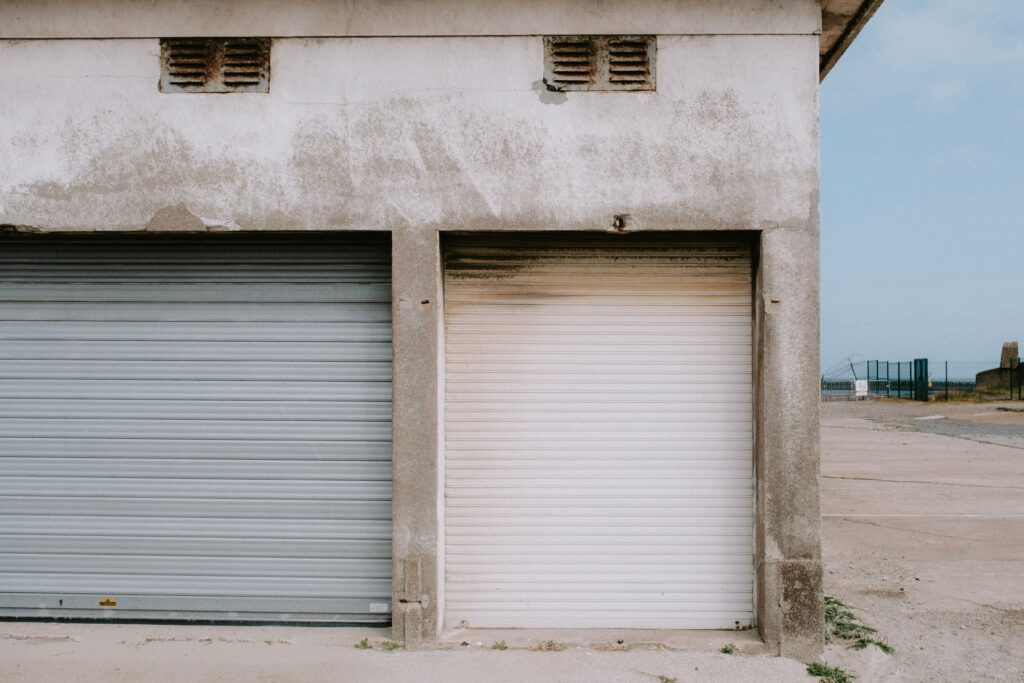
Roll-up doors are built to handle frequent use, but they are regularly exposed to conditions that encourage corrosion. Rain, condensation, road salt, coastal air, chemical fumes and trapped dirt can all cause steel components to rust over time. Once corrosion starts around the curtain, guides, bottom bar or fixings, it can affect both the appearance and reliability of the door.
The right upgrade depends on where the door is installed and how it is used. A warehouse door in a dry industrial estate needs a different level of protection from a garage shutter near the coast, a farm building exposed to moisture, or a loading-bay door that is opened all day.
This guide compares practical upgrades that can help prevent rust on roll-up doors, from choosing better materials and protective finishes to improving insulation and drainage. Some options are most effective when specified for a new door, while others can be added to an existing installation during servicing or refurbishment.
The list below is ranked by the difference each measure can make to long-term corrosion resistance, although the best approach is usually to combine several upgrades rather than rely on one solution alone.
Comparison Table: Rust-Prevention Upgrades for Roll-Up Doors
| Rank | Upgrade | Best For | Key Benefits |
| 1 | Galvanised or corrosion-resistant curtain | New doors and major replacements | Protects steel from corrosion before paint damage occurs |
| 2 | High-quality powder coating or protective paint system | Exterior-facing doors | Adds a durable barrier against rain, UV exposure and scratches |
| 3 | Improved weather seals | Garages, workshops and loading bays | Limits water, dirt and salt entering guides and curtain areas |
| 4 | Roll-up door insulation | Doors affected by condensation or temperature changes | Helps manage internal temperature differences and condensation risk |
| 5 | Stainless steel or protected fixings | Coastal, agricultural and industrial sites | Reduces rust around bolts, brackets, hinges and fasteners |
| 6 | Bottom-bar and threshold drainage upgrades | Doors exposed to standing water | Stops moisture collecting at the most vulnerable lower edge |
| 7 | Guide rail liners and protective lubrication | Frequently used roller shutters | Reduces abrasion that can expose bare metal |
| 8 | Planned cleaning and maintenance programme | All roll-up doors | Identifies early rust and prevents debris from holding moisture |
1. Galvanised or Corrosion-Resistant Door Curtain
The most effective way to prevent rust on a roll-up door is to start with a curtain made from suitably protected metal. Galvanised steel is a common option because it has a zinc coating that helps protect the steel beneath it from corrosion. If the surface receives a minor scratch, the zinc layer can still provide a degree of protection around the damaged area.
For new installations, it is worth asking the supplier what material is being used for the curtain slats, bottom rail, guides and supporting components. A door may have a coated curtain but use untreated brackets or fasteners elsewhere, creating weak points where corrosion can begin.
This upgrade is particularly relevant for external shutters, commercial roller doors, farm buildings and premises in wet or coastal locations. In harsher environments, more robust material specifications may be justified, even where the initial purchase cost is higher.
Key Features
- Galvanised steel curtain slats
- Zinc-coated steel components
- Corrosion-resistant bottom rails
- Better protection against small surface chips and scratches
- Suitable for new doors or full curtain replacements
Why Choose Them
A galvanised or corrosion-resistant curtain offers protection at the material level, rather than relying only on a surface finish. It is a sensible long-term investment where a roll-up door faces regular rain, condensation, salt or outdoor contaminants.
2. High-Quality Powder Coating or Protective Paint System
A durable coating provides an important second line of defence against rust. Powder coating is widely used on metal doors because it creates a hard, even finish that can be more resilient than basic paint when correctly applied. It also gives property owners a choice of colours, which can help the door match the building exterior or company branding.
However, coating quality matters. A poorly prepared surface or thin coating can fail prematurely, especially around edges, folds, fasteners and the bottom section of the curtain. These areas should be checked carefully during installation and routine servicing, as chips can expose the steel beneath.
For existing doors, a professional refurbishment and repaint can be a practical alternative to replacement if corrosion is still superficial. Loose rust should be removed, the affected surface prepared properly and an appropriate metal primer used before the finishing coats are applied.
Key Features
- Powder-coated curtain and guide finishes
- Protective metal primers for refurbishment work
- Choice of colours and finishes
- Extra barrier against rain and airborne contaminants
- Useful for both new and existing doors
Why Choose Them
A protective coating is a practical upgrade for owners who want to extend the life of a steel roll-up door while improving its appearance. It works best when paired with regular inspection and prompt repair of chips, scratches and worn edges.
3. Better Weather Seals Around the Curtain and Guides
Water does not need to fall directly onto a roll-up door to cause problems. Wind-driven rain, splashing from nearby traffic, meltwater and humidity can all find their way into the guides, curtain coils and lower edge of the door. Effective perimeter sealing can reduce how much moisture and debris reaches these areas.
Bottom seals are especially important. They help reduce water ingress beneath the closed door and can limit the amount of dirt, leaves and grit dragged into the curtain when the door opens. Brush seals or side seals may also be suitable for reducing gaps around the guides, depending on the door design.
Seals do wear out. Rubber can harden, crack or become compressed, while brush strips can lose their shape or collect debris. Replacing worn seals is generally a modest maintenance task, but it can prevent repeated wetting of vulnerable metal parts.
Key Features
- Bottom weather seals
- Side brush seals
- Header seals where suitable
- Reduced water and debris ingress
- Improved draught control
Why Choose Them
Weather seals are a useful upgrade where rainwater, wind-blown debris or road spray regularly reaches the door. They are also beneficial for garages and workshops where keeping out damp air and draughts is important.
4. Roll-Up Door Insulation to Help Control Condensation
Condensation is an often-overlooked cause of corrosion on roll-up doors. It can form when warm, moisture-laden indoor air meets a cold metal curtain, particularly in garages, workshops, storage units and buildings with fluctuating temperatures. Water droplets may then sit on the inside face of the door or collect in folds and joints.
Adding suitable insulation can help reduce sharp temperature differences across the door, which may lower the risk of condensation in the right setting. It can also improve comfort in spaces used for work, storage or vehicle maintenance. Insulation should be selected carefully so it does not interfere with the door’s rolling action, balance, guides or operating mechanism.
BlueTex Insulation offers insulation products that may be worth considering when planning a roll-up door insulation project. Before fitting any insulation to a roller door or shutter, check the product’s suitability for the door type, available clearance, fire requirements and manufacturer guidance. In some cases, professional installation or advice from the door supplier is the safest route.
Key Features
- Can help manage temperature differences around metal doors
- May reduce condensation risk in suitable environments
- Can improve thermal comfort in garages and workshops
- Useful alongside weather seals and ventilation improvements
- Available insulation options should be checked for door compatibility
Why Choose Them
Insulation is particularly worth considering when rust appears on the inside of a roll-up door rather than only on the weather-facing side. It is not a substitute for drainage, coatings or maintenance, but it can form part of a wider moisture-control strategy.
Visit BlueTex Insulation
5. Stainless Steel or Corrosion-Resistant Fixings
A roll-up door has many small metal parts that are easy to overlook: bolts, screws, washers, brackets, anchors, chains and mounting hardware. These components can rust before the main curtain does, especially if they are made from unprotected mild steel or if dissimilar metals have been used without considering the environment.
Upgrading exposed fixings to stainless steel or suitably coated alternatives can reduce the chance of corrosion around attachment points. This is particularly relevant in coastal areas, agricultural buildings, food-production sites and locations where cleaning chemicals or airborne contaminants are present.
The right fixing material depends on the installation. Stainless steel is not automatically appropriate for every component, and compatibility with surrounding metals should be considered. A qualified installer can advise on suitable fasteners, load ratings and fixing methods for the wall structure and door mechanism.
Key Features
- Stainless steel bolts, screws and washers
- Protected brackets and mounting plates
- Suitable for exposed external installations
- Helps prevent staining from rusting hardware
- Valuable for coastal and high-moisture sites
Why Choose Them
Replacing rust-prone fasteners is a targeted upgrade that can prevent small issues becoming structural or operational problems. It is especially sensible during a door replacement, major service or refurbishment.
6. Bottom-Bar Protection and Improved Drainage
The lower edge of a roll-up door is often the first place rust appears. It is closest to standing water, wet ground, road salt, leaves and accumulated dirt. If the bottom bar repeatedly sits in water or against a damp threshold, even a well-coated door can deteriorate more quickly.
Improving drainage around the entrance can make a noticeable difference. This may involve repairing uneven concrete, clearing blocked channels, fitting suitable drainage grates or ensuring the external ground falls away from the opening. The aim is to stop water pooling against the closed door.
A corrosion-resistant bottom bar, renewed bottom seal or sacrificial kick plate may also be appropriate depending on the door type. These upgrades should not prevent the door from closing securely or compromise safe operation.
Key Features
- Improved threshold drainage
- Replacement bottom bars or bottom seals
- Reduced contact with standing water
- Protection for the most exposed area of the door
- Useful for loading bays, garages and agricultural buildings
Why Choose Them
If corrosion begins at the base of the curtain, addressing drainage is usually more effective than repeatedly repainting the affected area. Keeping the threshold dry also reduces the build-up of dirt that can abrade protective coatings.
7. Guide Rail Liners and Protective Lubrication
Roll-up doors move through guide rails every time they open and close. Over time, trapped grit, poor alignment or excessive friction can wear away paint and protective coatings along the edges of the curtain. Once bare metal is exposed, moisture can reach the steel and corrosion may follow.
Guide rail liners, brushes or suitable low-friction components can reduce metal-on-metal contact on compatible doors. Keeping the guides clean and correctly aligned is just as important. If the curtain scrapes, jams or makes unusual noise, it should be inspected rather than forced through repeated operation.
Lubrication should be used carefully. Not every lubricant suits every roller door, and over-application can attract dirt. Use products recommended by the door manufacturer or maintenance provider, particularly around moving parts, springs and drive mechanisms.
Key Features
- Reduced abrasion on curtain edges
- Cleaner, smoother guide operation
- Helps preserve paint and galvanised finishes
- May reduce noise and wear
- Supports reliable day-to-day operation
Why Choose Them
This upgrade is most useful for frequently operated commercial shutters and garage doors. It protects against a less obvious cause of rust: repeated mechanical damage to the door’s protective surface.
8. Regular Cleaning, Inspection and Rust-Treatment Maintenance
Even the most corrosion-resistant roll-up door needs routine care. Dirt, salt, fertiliser dust, bird droppings and industrial residues can hold moisture against metal surfaces. A simple cleaning schedule can reduce exposure and make it easier to spot chips, damaged seals and early signs of rust.
The appropriate cleaning frequency depends on the location. Doors near the coast, busy roads, farms or industrial sites may need more frequent attention than a sheltered domestic garage door. Use a mild cleaning method suitable for the door finish, and avoid harsh abrasive tools that can scratch coatings.
Small patches of surface rust should be addressed early. Ignoring a chipped edge or rusting screw may allow corrosion to spread behind paint or into seams where it is more difficult to treat. A professional door engineer should inspect significant corrosion, distorted slats, damaged guides or any issue affecting safe operation.
Key Features
- Regular removal of dirt and salt deposits
- Early detection of coating damage
- Seal, guide and fixing inspections
- Prompt touch-up treatment for minor corrosion
- Supports longer door service life
Why Choose Them
Maintenance is the upgrade that protects every other investment. Coatings, seals, insulation and corrosion-resistant hardware all perform better when the door is kept clean, dry and properly adjusted.
How to Choose Rust-Prevention Upgrades for a Roll-Up Door
The first step is to identify why the door is rusting. External corrosion is often caused by rain, salt spray, damaged paint or poor drainage. Rust on the inside of the curtain may point to condensation, inadequate ventilation or large temperature changes between the inside and outside of the building. Treating the symptom without addressing the moisture source is a common and costly mistake.
Location should influence the specification. A door close to the sea, a main road or agricultural land may need stronger corrosion protection than one in a sheltered urban garage. Coastal air can carry salt, while farm environments can expose metalwork to moisture, dust and chemicals. In these settings, galvanised components, protected fasteners and frequent cleaning become more important.
Consider the entire door system, not just the visible curtain. Guides, brackets, fixings, bottom rails and seals all influence how well the installation stands up to moisture. It makes little sense to invest in a premium coated curtain while leaving rusting bolts, blocked drainage or worn weather seals in place.
Insulation can be valuable where condensation is a major concern, but it should be fitted only where it is compatible with the rolling mechanism. Adding too much thickness or weight can affect clearances and operation. Check the door manufacturer’s guidance and, where needed, speak to a qualified installer before altering the door.
Finally, do not wait for heavy corrosion before taking action. A small chip in a powder-coated finish, a cracked bottom seal or water pooling at the threshold can usually be dealt with quickly. Severe corrosion may require curtain replacement, structural repairs or a full door upgrade.
Frequently Asked Questions
What causes rust on roll-up doors?
Rust develops when steel is exposed to oxygen and moisture. On roll-up doors, common causes include rain, condensation, coastal salt, standing water, damaged paint, trapped debris and worn weather seals.
Is galvanised steel enough to stop a roller door rusting?
Galvanised steel provides useful corrosion resistance, but it is not completely maintenance-free. Protective coatings can still be damaged, and dirt or standing water can affect vulnerable areas. Galvanised steel works best alongside good drainage, seals and regular cleaning.
Can insulating a roll-up door help prevent rust?
It can help where condensation is contributing to corrosion. Insulation may reduce temperature differences across the metal door, lowering the likelihood of moisture forming on the internal surface. It should be compatible with the door’s design and operation.
How often should I clean an external roll-up door?
For many properties, a regular visual inspection and periodic clean are sensible. Doors in coastal, agricultural, roadside or industrial locations may need more frequent cleaning because salt, dust and contaminants can build up faster.
Should I paint over rust on a roller shutter?
Painting directly over rust is rarely a lasting solution. Loose corrosion should be removed, the surface prepared and a suitable rust-treatment product or metal primer used before applying a compatible top coat. Significant rust should be assessed by a professional.
Which part of a roll-up door rusts first?
The bottom bar, lower curtain slats, fasteners and guide rails are common problem areas. They are more likely to encounter standing water, dirt, salt and abrasion during normal operation.