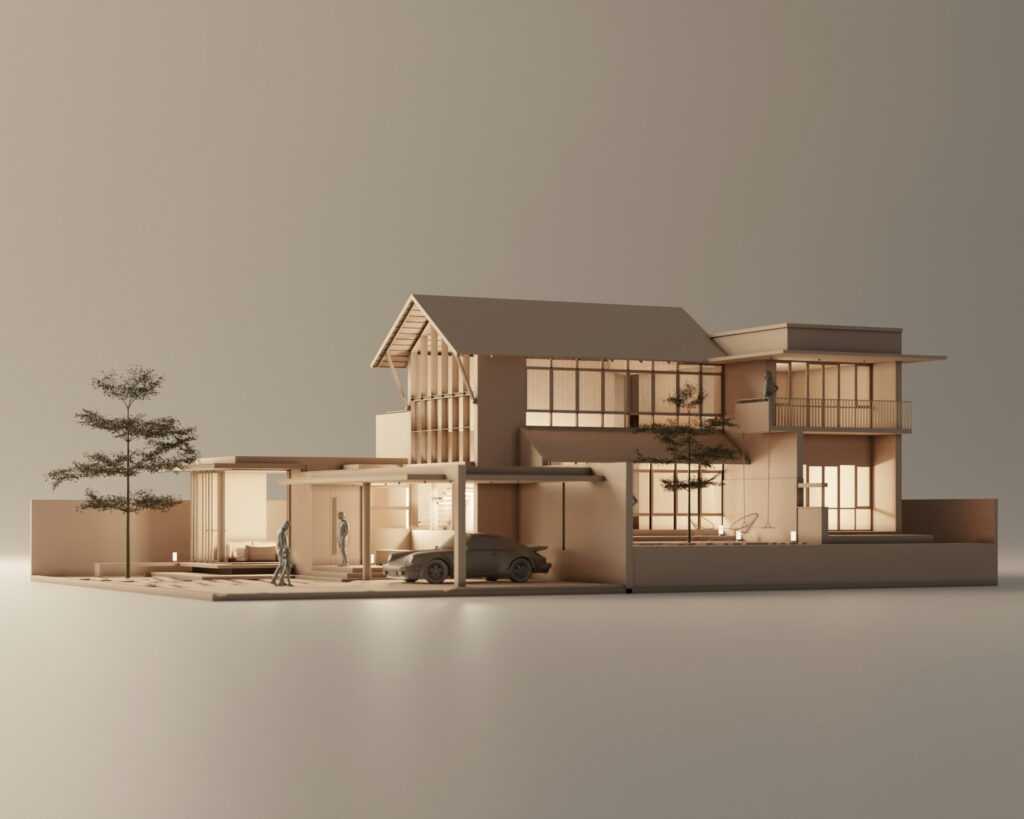
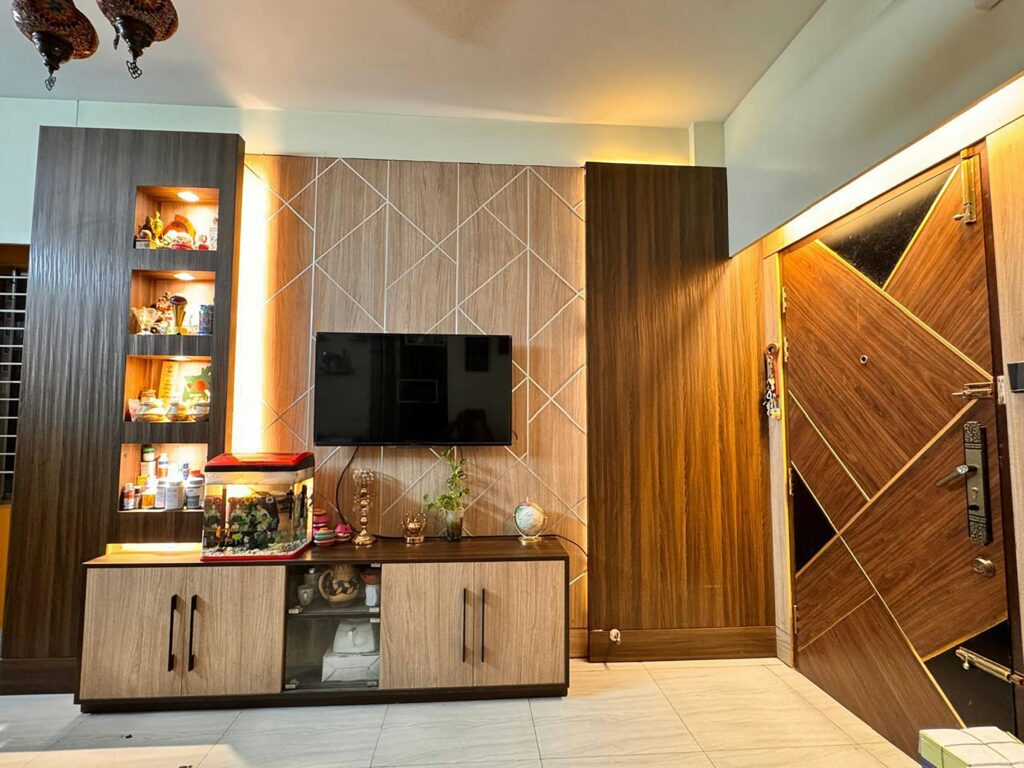
Beautiful interiors may have different styles and sizes, but one thing they all rely on is geometry. To appreciate the impact geometry can have on your perception of space, movement, and balance, take a walk through your home or building. Take in the different horizontal, vertical, curved, and diagonal lines, and consider how the essence of these spaces would change if their geometry were different. Indeed, geometry is one of the pillars architects and designers rely on to create rooms with specific ambiances. If you have the luxury of renovating or designing a brand-new space, understanding structural lines, using shapes intentionally, and choosing furniture that complements your rooms’ geometry can all help make your living or working spaces more graceful, appealing, and purposeful.
The Nature of Spatial Geometry
Spatial geometry centers not only on how a space is built, but also on how it is organized and perceived. It comprises physical structure (including architectural elements like walls, ceilings, and columns) and visual structure (how lines, objects, and shapes are arranged to create a sense of order). Designers harness geometry to help inhabitants make sense of their spaces. For instance, clean lines and balanced shapes lend spaces a sense of peace and predictability, while irregular layouts can feel chaotic. Designers also use lines and shapes to change the feeling a room can evoke.
Observing Your Home or Building’s Geometry
All rooms have a signature architectural framework made up of factors such as ceiling height, window placements, doorways, wall lengths, and fixtures such as stucco work, alcoves, and fireplaces. These elements create visual lines that guide the eye. Great design is about working with these existing structures to create the illusion of space and harmony. For instance, if your living room is long and narrow, choosing different furniture layouts can add an illusion of width. You can add to the sense of spaciousness by opting for furniture with exposed legs, which allows more of the floor area to remain visible. In contrast, if you have a large open-plan space you wish to imbue with warmth, you can make it feel more intimate by creating separate zones and embellishing them with rugs, warm pendant lighting, or solid-wood bookcases.
Making the Most of What You Already Have
Harnessing the best of a room’s geometry also involves making the most of its existing features. For instance, if you have a stunning fireplace, gather cozy chairs around it or embellish it with smaller decorative elements that accentuate its beauty. Its mantelpiece, meanwhile, is the perfect place to position a beautiful frame with your favorite photographs, or a handmade sculpture or artwork you are particularly proud of. Alternatively, if you wish to make your ceilings look higher, consider incorporating elements such as tall bookcases or vertical paneling. If your ceilings are so high that they make your room feel cold or disconnected, hang large pendant lights or chandeliers to fill the vertical space.
The Effect of Lines on Space Perception
Lines have a specific impact on the perception of spaces. For instance, horizontal lines evoke stability, calm, and width. They are found in long sofas, flooring patterns, and shelving, and they can be used to expand or contract the perceived width of small rooms. Vertical lines lend height and formality to a space and can make lower ceilings feel higher. Diagonal and dynamic lines, meanwhile, add movement, energy, and direction. They work excellently in staircases, accent walls, and angular furniture.
Incorporating Shapes and Repetition into Design
The shapes of a space, its fixtures, and its furniture can all change a room’s ambiance. For instance, square and rectangular shapes evoke a sense of order and structure, while circles and ovals reduce visual harshness, break up rigid layouts, and encourage flow. Organic forms, those inspired by nature instead of precise geometry, tend to be flowing, asymmetrical, and irregular. Examples include an oval coffee table, a wavy-edged artwork, or sculptural ceramic vases. Well-designed interiors typically combine multiple shapes rather than relying on one repeated form. For instance, a round pendant light and an oval dining table in a rectangular dining room can make the space more inviting.
How Furniture Can Reinforce Structure
The way you place your furniture can support your room’s geometry, compete with it, or clash with it. It is therefore vital to use furniture to reinforce existing lines—and one of the simplest ways to do so is by aligning key pieces with the room’s natural axes. For instance, you can position a sofa parallel to the longest wall, place a bed in line with the room’s focal point (such as a window or fireplace), or place a pendant light directly above a dining table. Symmetry can also create a sense of order. This quality can be achieved with simple elements such as matching bedside tables, identical armchairs flanking a fireplace, or a pair of potted plants beside it.
Geometric shapes influence how people perceive an interior, making the thoughtful use of lines and forms essential to creating inviting atmospheres. Successful design begins by understanding a room’s architectural framework and building upon it with balanced layouts, furniture, and décor. By working with a room’s existing geometry rather than against it, you can create interiors that feel harmonious, functional, and inviting.
 Ask Donel Robertsonail how they got into diy home improvement ideas and you'll probably get a longer answer than you expected. The short version: Donel started doing it, got genuinely hooked, and at some point realized they had accumulated enough hard-won knowledge that it would be a waste not to share it. So they started writing.
What makes Donel worth reading is that they skips the obvious stuff. Nobody needs another surface-level take on DIY Home Improvement Ideas, Outdoor Living Solutions, Essential Gardening Tips. What readers actually want is the nuance — the part that only becomes clear after you've made a few mistakes and figured out why. That's the territory Donel operates in. The writing is direct, occasionally blunt, and always built around what's actually true rather than what sounds good in an article. They has little patience for filler, which means they's pieces tend to be denser with real information than the average post on the same subject.
Donel doesn't write to impress anyone. They writes because they has things to say that they genuinely thinks people should hear. That motivation — basic as it sounds — produces something noticeably different from content written for clicks or word count. Readers pick up on it. The comments on Donel's work tend to reflect that.
Ask Donel Robertsonail how they got into diy home improvement ideas and you'll probably get a longer answer than you expected. The short version: Donel started doing it, got genuinely hooked, and at some point realized they had accumulated enough hard-won knowledge that it would be a waste not to share it. So they started writing.
What makes Donel worth reading is that they skips the obvious stuff. Nobody needs another surface-level take on DIY Home Improvement Ideas, Outdoor Living Solutions, Essential Gardening Tips. What readers actually want is the nuance — the part that only becomes clear after you've made a few mistakes and figured out why. That's the territory Donel operates in. The writing is direct, occasionally blunt, and always built around what's actually true rather than what sounds good in an article. They has little patience for filler, which means they's pieces tend to be denser with real information than the average post on the same subject.
Donel doesn't write to impress anyone. They writes because they has things to say that they genuinely thinks people should hear. That motivation — basic as it sounds — produces something noticeably different from content written for clicks or word count. Readers pick up on it. The comments on Donel's work tend to reflect that.