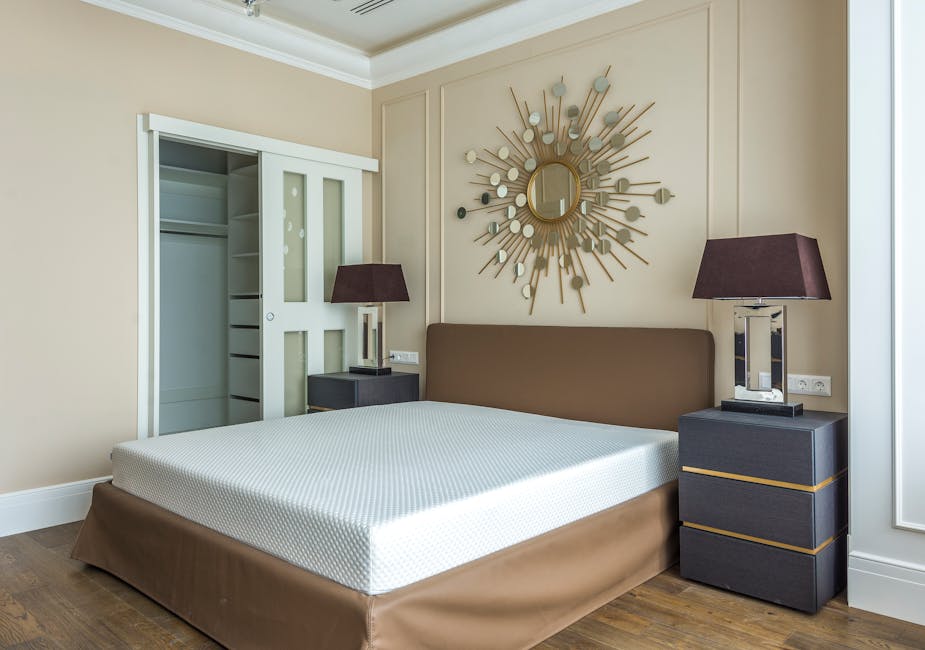
I’ve been in too many homes that look perfect but feel empty.
You know the ones. Every pillow is placed just right. The colors match. But something’s missing. You walk in and it doesn’t wrap around you the way a real home should.
That’s the problem with most design advice. It teaches you how to make things look good. Not how to make them feel good.
I created this Heartomenal House Guide from Homehearted because I kept seeing people frustrated with spaces that photographed well but didn’t actually comfort them. They’d follow all the rules and still end up with rooms that felt cold.
This isn’t about trends or copying someone else’s aesthetic.
We’re going to cover the elements that actually create warmth. The things that make you want to kick off your shoes and stay awhile. Color that calms you. Light that shifts with your mood. Textures that beg to be touched.
I’ve built this framework on design principles that focus on how spaces make you feel, not just how they look on Instagram.
You’ll get a complete roadmap. Not just theory. Actual steps you can take to turn your house into the kind of place that hugs you back when you walk through the door.
The Visual Foundation: Mastering Warm Color Palettes and Layered Lighting
I’ll be honest with you.
Most people think cozy spaces just happen. Like some homes are naturally warm and inviting while others aren’t.
That’s not how it works.
The difference comes down to two things: color and light. Get these right and your space transforms. Get them wrong and even expensive furniture won’t save you.
Here in Laramie, I see a lot of homes that lean too hard into that mountain modern look. All grays and whites. It photographs well but feels cold when you’re actually living in it (especially during our long winters).
Some designers will tell you that warm colors make spaces feel smaller. They’ll push you toward cooler tones to “open things up.”
But I’ve walked through enough homes to know that’s oversimplified. A room painted in warm beige with good lighting feels more spacious than a stark white room with one overhead fixture. Every time.
The Colors That Actually Work
Start with your base. I’m talking about warm neutrals like beige, cream, or greige covering about 60% of your space. Walls, larger furniture pieces, maybe your rug.
Then add your secondary layer at 30%. This is where olive green or soft terracotta comes in. An accent chair, curtains, or throw pillows.
Save 10% for your boldest choice. Deep blue, burnt orange, or even a rich burgundy. A single piece of art, a lamp, or a small side table.
This is what the heartomenal house guide from homehearted calls the 60-30-10 rule. It keeps you from going overboard while still letting you show some personality.
The thing is, you don’t need to measure this with a ruler. Just eyeball it. If one color is taking over the room, dial it back.
Light Makes or Breaks Everything
Now let’s talk about lighting. Because you can nail the colors and still end up with a space that feels off.
You need three layers working together:
- Ambient light comes from your overhead fixtures. This is your base layer that lights the whole room.
- Task lighting handles specific needs. Reading lamps next to your chair, under-cabinet lights in the kitchen.
- Accent lighting creates mood. Table lamps, wall sconces, or even candles.
Most homes I visit only have that first layer. One ceiling light doing all the work. No wonder the space feels flat.
Here’s what I do instead. I put warm-toned LED bulbs in everything. Look for 2700K on the package. That’s the temperature that mimics old incandescent bulbs without the energy waste.
Install dimmers on your main lights. This alone changes how a room feels from morning to evening.
Then scatter lamps around the room. Not just one on an end table. Put them in corners, on shelves, anywhere you want to create a soft pool of light.
When you walk into a room lit this way, something shifts. The space pulls you in instead of pushing you away.
And that’s the whole point of heartomenal. Creating homes that feel like they’re wrapping you in a warm blanket the second you step inside.
Engaging the Senses: The Untapped Power of Texture and Scent
Most people think decorating is about what you see.
They pick colors. They arrange furniture. They hang art.
But here’s what they’re missing.
A room that looks good but feels flat? That’s because they forgot about texture and scent.
I’m talking about the things you touch and smell. The stuff that makes a space feel like home instead of a showroom.
Why Texture is Non-Negotiable
Walk into any room that feels truly comfortable. I bet you’ll find different textures everywhere.
That’s not an accident.
Your brain craves variety. A room with just one texture (say, all smooth surfaces) feels cold. Sterile, even. But mix in some rough, soft, and woven materials? Suddenly the space has depth.
It’s the difference between a hotel lobby and your favorite reading nook.
A Library of Textures
You don’t need to overthink this. Start with these basics:
• Chunky knit throws
• Velvet or bouclé cushions
• Plush area rugs
• Linen curtains
• Natural wood or stone elements
Each one brings something different to the table. The key is combining them.
How to Mix Textures
Here’s a simple rule I follow.
Aim for at least three different textures in any seating area. So if you’ve got a leather sofa, add velvet pillows and a wool blanket. Or pair a linen couch with a jute rug and ceramic side tables.
Three textures. That’s your baseline.
Once you hit that, the room starts to feel layered instead of flat.
Crafting a Signature Home Scent
Now let’s talk about something people ignore even more than texture.
Scent.
You know how certain smells take you right back to your grandmother’s kitchen or that cabin you stayed at five years ago? That’s because scent ties directly to memory and emotion.
Your home should smell like something. Not overpowering artificial sprays that give you a headache. I mean a subtle, signature scent that makes people feel welcome the second they walk in.
Natural Scent Solutions
Skip the plug-ins. Go natural instead.
I keep an essential oil diffuser running with sandalwood or cedar (especially in fall and winter). Sometimes I’ll simmer a pot with cinnamon sticks and orange peels. The whole house smells incredible within minutes.
Soy or beeswax candles work too. Just make sure they’re not loaded with synthetic fragrances.
And if you want something even simpler? Fresh eucalyptus in a vase or seasonal flowers on the counter.
For more ways to make your space feel complete, check out the house guide heartomenal for practical tips that actually work.
Making It Yours: Infusing Personality and Natural Elements

Your home shouldn’t feel like a furniture catalog.
I see it all the time. People buy beautiful pieces and arrange them perfectly. But something’s off. The space looks good in photos but feels empty when you walk through it.
It’s like wearing someone else’s clothes. Sure, they might fit. But they don’t feel like you.
Some designers will tell you to keep everything minimal and neutral. They say personal items create clutter and ruin the aesthetic. That displaying family photos or travel souvenirs makes your space look messy.
But here’s what I think they’re missing.
A home without personality is just a waiting room. Pretty to look at, uncomfortable to live in.
The stuff that matters to you belongs in your space. That gallery wall with family photos? It tells your story. The books you actually read on those shelves? They spark conversations. The bowl you picked up in that little shop in Santa Fe? It makes you smile every time you see it.
The trick is curation, not elimination (which is just a fancy way of saying be picky about what you display).
I also want to talk about bringing nature inside. There’s this concept called biophilia. It’s our built-in need to connect with the natural world. Research shows that natural elements actually lower stress and help us feel calmer at home.
You don’t need to turn your living room into a greenhouse.
Start simple. A snake plant in the corner. Some pothos trailing from a shelf. These plants survive even if you forget about them for weeks.
Add a jute rug. Swap plastic coasters for stone ones. Put wooden cutting boards on display in your kitchen instead of hiding them.
Fresh flowers once a week if you can swing it.
For more ways to make your space work for you, check out these home tips and tricks heartomenal readers swear by.
Your home should feel like it grew around you, not like you moved into a showroom. That’s when it really becomes heartomenal house guide from homehearted worthy.
The Flow of Welcome: Thoughtful Layouts and Mindful Decluttering
Your furniture placement says more than you think.
I walk into homes all the time where every piece sits flush against the wall. It looks tidy. But it also feels like a waiting room.
Here’s what I do instead.
Pull your sofa about 12 to 18 inches away from the wall. Angle your chairs toward each other. You want people sitting close enough to have a real conversation without raising their voices (that sweet spot is usually 4 to 8 feet apart).
This creates what I call conversational nooks. Places where connection actually happens.
Clear pathways matter too. You should be able to walk through any room without doing that awkward sideways shuffle. If you’re constantly bumping into furniture or squeezing past things, your layout is working against you.
I aim for pathways that are at least 30 inches wide. That’s enough space for two people to pass comfortably.
Now let’s talk about clutter.
Clutter isn’t just messy. It’s exhausting. Every surface covered with stuff creates visual noise that your brain has to process. You might not notice it consciously, but it’s there. Making you feel more stressed than you should in your own home.
I use the one in, one out rule to keep things manageable. Buy a new throw pillow? An old one leaves. Bring home a new book? Donate one you’ve already read.
It’s simple. It works. And it keeps your space from slowly filling up with things you don’t need.
For more ways to create a home that actually feels good, check out the heartomenal house guide from homehearted. It covers the small details that make a real difference.
Your Home, Your Sanctuary
You came here looking for ways to make your home feel warmer and more inviting.
Now you have a complete approach that goes beyond just moving furniture around.
A truly welcoming home isn’t about one perfect room or expensive decor. It’s about layering color, light, texture, scent, and pieces that reflect who you are.
When you get this right, something shifts. You feel more relaxed when you walk through the door. Your guests settle in faster because the space just feels good.
This is what the heartomenal house guide from homehearted teaches: your home should work for your life, not the other way around.
Here’s what to do next: Pick one section from this guide and start there. Maybe you add some new throw pillows and a chunky knit blanket. Or you find a signature scent that makes your space smell like home.
Don’t try to do everything at once. Small changes add up faster than you think.
Your home can be the sanctuary you need. Start this week and watch how it transforms the way you feel every single day. Homepage.