
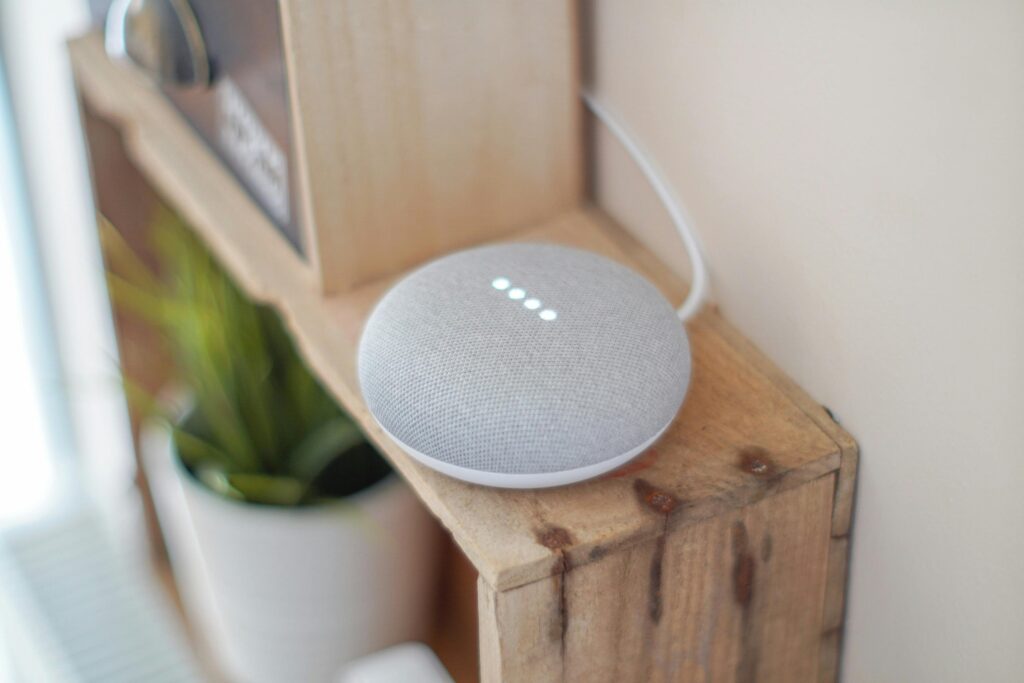
More and more homes are getting outfitted with digital technology. These smart appliances, from speakers to thermostats to doorbells, connect to the internet and respond to voice commands and deliver convenient features.
In fact, up to 30% of people in the UK use digital assistants at least once a day, the most popular being Google Nest and Amazon Echo.
To function, however, these smart appliances need to collect personal data, so many ask: Is it possible to have a modern home with smart appliances and remain private?
The answer is yes, it’s possible. But it’s a bit more complicated than that. You’ll need to be proactive to enjoy these features while staying private.
What Smart Devices Collect and Why It Matters
To better protect your privacy, it’s important to understand how smart devices function and the types of data they gather:
- Voice Commands
Devices that can be used with voice commands constantly monitor for wake words (such as “Hey Alexa” or “Hey Google”). Once a wake word is detected, the device sends audio to the manufacturer’s servers, where it gets processed. After being processed, the action is performed.
- Behavioral Patterns
Devices like thermostats often collect data about your routines and behavior, such as your heating and cooling preferences. Meanwhile, motion sensors detect your physical presence to trigger lights or alarms. Such data is similarly sent to external servers for processing.
- Usage Metrics
Many smart home apps and services also record how often people use features or how the devices are interacted with. Manufacturers use this data to improve and monitor the device for problems. Over time, however, this data adds up and can paint a fairly revealing and detailed pattern of how users behave.
Devices unavoidably need data to function. In fact, the more data they collect, the more personalized and responsive their features can become. It’s what allows voice assistants to become better at recognizing your voice or what enables thermostats to adjust temperatures automatically based on your preferences.
What Happens to All That Data
But this also means that snippets of your personal home life—your movements, your routines, your voice—may be recorded and stored over time. The privacy concerns stem from how this data is handled.
Where is it stored? How long is it kept? Who can access such data? The answers to these questions aren’t always clear.
This is especially true since manufacturers’ servers may be located in different countries with different data privacy laws and protections.
Notably, there have been reports of smart speakers storing unintended audio clips. Google recently settled a $68 million privacy lawsuit over complaints about how its voice assistants collected voice clips from users.
Beyond the transparency on behalf of these device makers, smart home networks, like any internet-connected device, can also be targeted by cyberattackers.
How to Maintain Privacy in Smart Homes
Despite these challenges and complexities, it’s still more than possible to minimize these risks and stay private. Here’s what you should do if you own or plan to get smart devices at home.
1. Secure the Home Network
Your Wi-Fi network is the foundation of smart home security. Use strong, unique passwords and enable the highest encryption available (e.g., WPA3). For added security, consider segmenting your network so that IoT devices are separate from computers and phones.
2. Use Privacy Tools
With most smart devices being controlled by smartphone apps, many users also use privacy tools like a VPN mobile app or use a VPN on a router to protect multiple devices simultaneously. A VPN encrypts your internet traffic and masks your IP address, which can protect against external interception by cybercriminals or your internet service provider.
3. Update Devices Regularly
Manufacturers regularly release updates that include patches for security flaws. Installing updates promptly ensures devices are protected against known vulnerabilities.
4. Customize Privacy Settings
Many smart devices allow users to adjust data collection and retention preferences.
Review these settings and limit unnecessary features. For example, you can disable unused sensors to reduce the amount of personal data collected.
5. Choose Products With Transparent Policies
Not all companies handle data the same way. Some manufacturers provide clear policies and user controls, while others are more opaque.
Before buying and installing any smart device, go through the manufacturer’s privacy policies to gain insight into how your data is being handled.
Privacy Is Possible—If You Take Control
There will always be privacy risks to using smart devices. And while you can’t eliminate them fully, there are several easy, practical steps you can take to minimize them.
Ultimately, it’s a sliding scale: the more convenient, automated, and personalized you want your digital home devices to be, the more data you give away and the more privacy risk you take on.
For some, the convenience is worth the risk. For others, maintaining tighter control over personal data matters more. The choice is up to you.
 Ask Donel Robertsonail how they got into diy home improvement ideas and you'll probably get a longer answer than you expected. The short version: Donel started doing it, got genuinely hooked, and at some point realized they had accumulated enough hard-won knowledge that it would be a waste not to share it. So they started writing.
What makes Donel worth reading is that they skips the obvious stuff. Nobody needs another surface-level take on DIY Home Improvement Ideas, Outdoor Living Solutions, Essential Gardening Tips. What readers actually want is the nuance — the part that only becomes clear after you've made a few mistakes and figured out why. That's the territory Donel operates in. The writing is direct, occasionally blunt, and always built around what's actually true rather than what sounds good in an article. They has little patience for filler, which means they's pieces tend to be denser with real information than the average post on the same subject.
Donel doesn't write to impress anyone. They writes because they has things to say that they genuinely thinks people should hear. That motivation — basic as it sounds — produces something noticeably different from content written for clicks or word count. Readers pick up on it. The comments on Donel's work tend to reflect that.
Ask Donel Robertsonail how they got into diy home improvement ideas and you'll probably get a longer answer than you expected. The short version: Donel started doing it, got genuinely hooked, and at some point realized they had accumulated enough hard-won knowledge that it would be a waste not to share it. So they started writing.
What makes Donel worth reading is that they skips the obvious stuff. Nobody needs another surface-level take on DIY Home Improvement Ideas, Outdoor Living Solutions, Essential Gardening Tips. What readers actually want is the nuance — the part that only becomes clear after you've made a few mistakes and figured out why. That's the territory Donel operates in. The writing is direct, occasionally blunt, and always built around what's actually true rather than what sounds good in an article. They has little patience for filler, which means they's pieces tend to be denser with real information than the average post on the same subject.
Donel doesn't write to impress anyone. They writes because they has things to say that they genuinely thinks people should hear. That motivation — basic as it sounds — produces something noticeably different from content written for clicks or word count. Readers pick up on it. The comments on Donel's work tend to reflect that.