
I’ve helped dozens of homeowners turn their renovation dreams into reality without the usual chaos.
You’re probably staring at your space right now wondering where to even start. Or maybe you’ve already started and things are spinning out of control.
Here’s what usually happens: people jump in without a clear process. Then the budget explodes, timelines stretch for months, and stress takes over what should be an exciting project.
I’ve been through enough renovations to know exactly where things go wrong. And more importantly, how to keep them on track.
This renovation guide heartomenal walks you through every phase of your project. I’ll show you how to plan it right, avoid the common pitfalls, and actually enjoy the process.
We’re talking real strategies that work in the real world. Not theory.
You’ll learn how to set a realistic budget, choose the right contractors, make design decisions without second-guessing yourself, and keep everything moving forward.
No fluff. Just the framework you need to get from where you are now to the home you’ve been imagining.
Phase 1: The Blueprint – Planning and Budgeting for Success
The most critical phase happens before any walls come down.
A solid plan is the foundation of a successful renovation.
Define Your Scope and ‘Why’
Move beyond a simple wish list. Ask what problems you’re solving.
I mean really solving. Not just “I want a prettier kitchen.” More like “We need better storage because we can’t find anything” or “The layout makes cooking for our family impossible.”
Create a detailed document separating must-have features from nice-to-have wants. This clarity prevents scope creep later (and trust me, scope creep is how budgets explode).
Build a Realistic Budget with a Buffer
Research average costs for your project type and create a detailed spreadsheet.
Allocate funds for materials, labor, permits, and design fees. Then comes the part most people skip.
Set aside a 15-20% contingency fund for unexpected issues.
This isn’t optional. It’s essential. You will find something behind those walls. Maybe it’s old wiring that needs updating. Maybe it’s water damage no one knew about. The contingency fund keeps your project moving when surprises pop up.
Get Multiple Itemized Quotes
Never accept a verbal estimate.
A professional quote should be itemized, detailing costs for each part of the job. You want to see exactly what you’re paying for. Not just one lump sum that could mean anything.
Obtain at least three quotes to compare. This ensures you’re getting fair market value and helps you spot any red flags.
Navigate Permits and Regulations
Before you begin, check with your local municipality about required permits.
Starting work without them can lead to costly fines and delays. Some people think they can skip this step. They’re wrong. Inspectors find out eventually, and fixing unpermitted work costs way more than doing it right the first time.
This renovation guide heartomenal approach keeps your project legal and protects your home’s value down the road.
Phase 2: The Vision – Design and Material Selection
This is where your vision takes shape.
You’ve got your budget and timeline sorted. Now comes the fun part. Picking out the finishes and materials that’ll make your space feel like home.
But here’s where I see people get stuck.
They dive straight into Pinterest boards and start pinning everything that looks pretty. Then they end up with a bathroom that looks like it belongs in three different houses at once.
I’m going to walk you through how to avoid that mess.
Create a Cohesive Design Plan
Start with a mood board. Digital works fine but I actually prefer the old school approach with physical samples taped to poster board.
Gather inspiration from wherever speaks to you. Just make sure your new design actually fits with your home’s existing style. A ultra modern kitchen in a 1920s craftsman? That’s going to feel off no matter how nice the finishes are.
Prioritize Function and Flow
Some people say design is all about aesthetics. That it’s about creating something beautiful first and figuring out the practical stuff later.
But that’s backwards thinking.
I’ve seen too many gorgeous kitchens where you can’t actually cook efficiently. Bathrooms with stunning tile work but nowhere to put your towels.
Perfect your layout before you worry about what color the cabinets should be. In kitchens, think about your work triangle. In bathrooms, map out where you’ll store things and how you’ll move through the space.
The renovation guide heartomenal approach puts function first because a space that doesn’t work won’t feel good no matter how pretty it looks.
Where to Save vs. Where to Splurge
Not everything needs to be top of the line.
Standard sized cabinets cost way less than custom. Simple subway tile is cheaper than fancy patterns. You can save real money on these basics.
But your countertops? The faucet you’ll touch twenty times a day? The flooring you’ll walk on barefoot every morning? Spend more there.
These high use items need to last and they need to feel good.
Always Test Samples in Your Space
Never pick materials from a screen or under store lighting.
Get physical samples. Bring them home. Look at that paint swatch in the morning when natural light floods in. Check it again at night under your actual light fixtures.
I’ve watched people fall in love with a tile color in the showroom only to hate it once installed. Your home has unique lighting conditions and they change everything.
Test before you commit. It’s the easiest way to avoid expensive regrets.
Phase 3: The Team – Hiring the Right Professionals
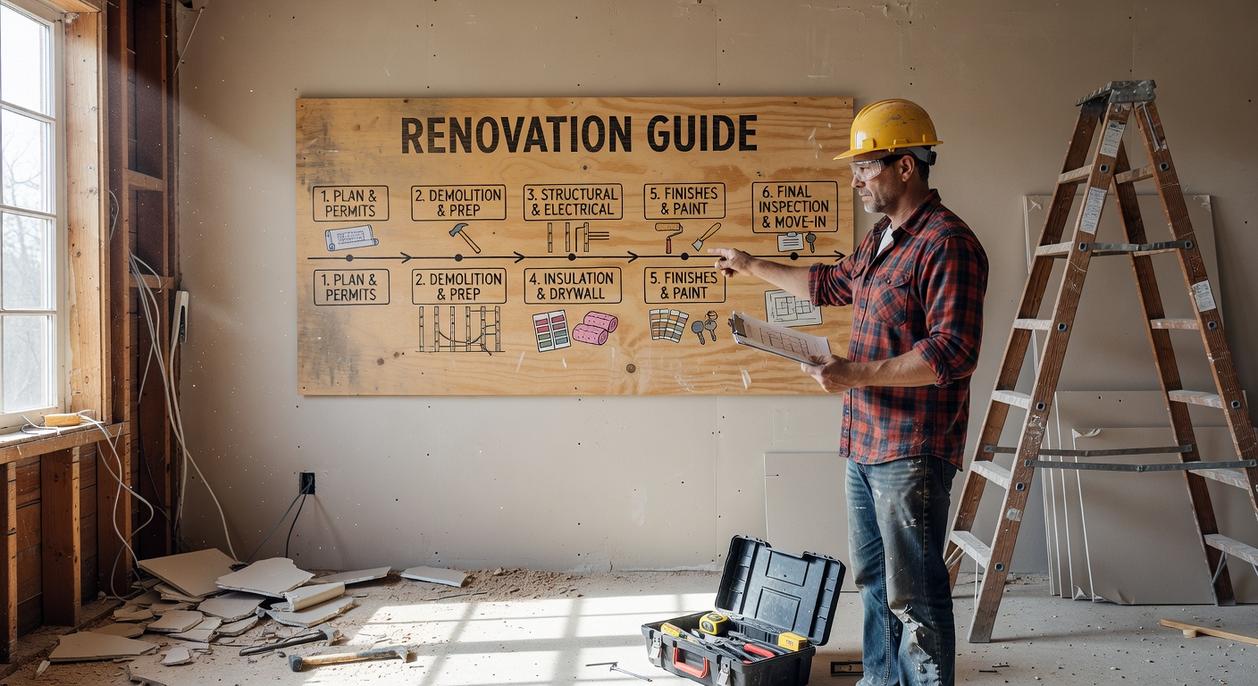
Your contractor can make or break your house renovation heartomenal.
I learned this the hard way back in 2018 when I hired someone based purely on price. Three months into what should’ve been a six-week project, I was dealing with subpar work and constant excuses.
Never again.
The quality of your team matters more than saving a few hundred bucks upfront.
Some people say you should just go with whoever your neighbor used. They figure if it worked out once, it’ll work out again. And sure, personal recommendations are great starting points.
But here’s what that advice misses.
Every project is different. The contractor who did a beautiful kitchen remodel might be terrible at structural work. You need to vet them like you’re hiring for the most important job in your life (because you kind of are).
Start with recommendations from people you trust. Then verify their license and insurance. Both liability and worker’s comp. A good contractor won’t hesitate to show you this stuff within 24 hours of asking.
Check their references, but ask smart questions.
Don’t just say “were you happy?” Ask how they handled problems when things went sideways. Because things always go sideways. Ask if they finished on time and on budget. Ask about communication.
(The communication question tells you everything. If past clients say they had to chase the contractor down for updates, run.)
Before any work starts, you need a detailed contract. I’m talking scope of work, payment schedule tied to milestones, change order process, and timeline. All of it in writing.
I waited two weeks once to get a contract right. Best decision I made on that whole renovation guide heartomenal project.
Never start without a signed agreement. I don’t care how nice they seem or how busy they say they are.
Phase 4: The Process – Surviving the Renovation Itself
Living through a renovation tests you in ways you don’t expect.
Some people say you should just move out entirely. Stay with family or rent a place until the work is done. They argue that trying to live in a construction zone is too stressful and not worth the hassle.
And honestly? For major whole-house renovations, they might be right.
But here’s what they’re missing. Most of us can’t afford to pay rent somewhere else while still covering our mortgage. Moving out doubles your housing costs and adds the nightmare of packing up your entire life twice.
I’ve lived through three renovations now. The truth is somewhere in between.
You can survive it at home if you set things up right. According to the National Association of Home Builders, 73% of homeowners who stay during renovations say proper planning made the difference between manageable and miserable.
Here’s what actually works.
Set Up Your Safe Zone
Pick one room that stays completely off limits to construction. I’m talking zero dust, zero tools, zero chaos. This becomes your sanctuary when the noise gets overwhelming (and it will).
Make it comfortable. Keep it clean. You’ll need this space more than you think.
Protect Everything Else
Move furniture out of work areas completely. If you can’t move it, cover it with thick plastic and secure the edges with tape. Dust finds its way into places you wouldn’t believe.
Seal doorways between construction zones and living spaces with plastic sheeting. The kind contractors use, not the flimsy stuff from the grocery store.
Put down floor protection in hallways and anywhere workers will walk. Cardboard works but gets shredded fast. Ram board or similar products last longer and actually protect your floors.
Talk to Your Contractor Daily
Set up a quick check-in system. I text my contractor every morning and evening. Takes two minutes but catches problems before they snowball.
Weekly meetings work too if daily feels like overkill. Just make sure you actually do them. When you skip communication, that’s when projects go sideways.
Small issues caught early save you thousands. I learned that the hard way when a plumbing concern I ignored for three days turned into a $2,000 fix.
The which home improvements pay off heartomenal guide breaks down which projects justify this kind of disruption in the first place. Worth checking before you commit to living in construction chaos.
Look, renovation guide heartomenal resources exist because this process is genuinely hard. But with the right setup, you can get through it without losing your mind.
From Dream to Reality, The Right Way
You now have what you need to transform your home.
A successful renovation isn’t about luck. It’s about planning well, designing smart, and hiring people you can trust.
When you follow these phases, you replace chaos with control. The stress that usually comes with renovations? You can avoid most of it.
This structured approach saves you time and money. More importantly, it saves you from headaches that derail projects and drain budgets.
The final result is a space you actually love living in.
Here’s what to do next: Start by defining your why. Build your plan around that reason. You have the right roadmap now.
renovation guide heartomenal gives you the framework to move forward with confidence. The difference between a renovation that works and one that doesn’t comes down to preparation.
Your dream home is waiting. Take the first step today. Homepage.