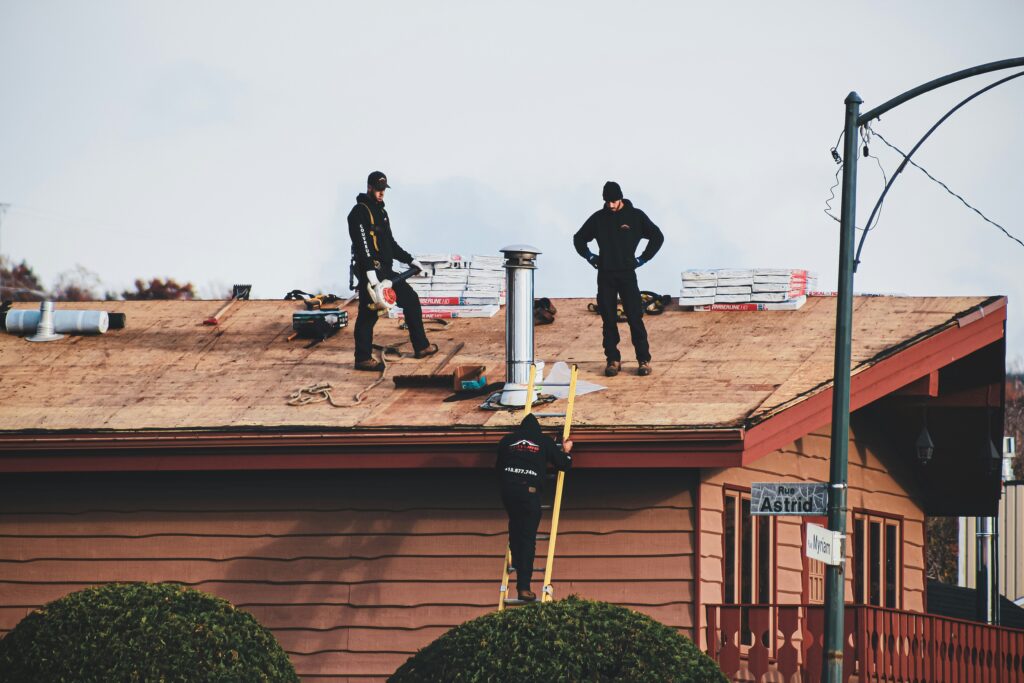
Roof work is one of the most hazardous activities in construction, maintenance, and facility management. Every year, falls from height remain a leading cause of serious workplace injuries and fatalities. Because of this, reliable fall protection is not optional—it is a critical requirement for safe operations. Among the most effective protective measures are roof guardrail systems, which create a physical barrier to prevent accidental falls at roof edges, skylights, and elevated platforms.
Unlike personal fall arrest systems that depend on harnesses and anchors, guardrails provide passive protection. Once installed, they do not rely on worker behavior or constant supervision. This makes them one of the most dependable safety solutions for rooftops where frequent access is required.
This article explores how these systems work, their importance in compliance and safety planning, and how they support safer working environments across different industries.
The Role of Guardrails in Preventing Roof Fall Hazards
Working at height introduces multiple risks, including unstable footing, weather exposure, and limited visibility near roof edges. A guardrail system acts as a continuous protective boundary, reducing the likelihood of accidental slips or missteps.
A standard system typically includes a top rail, mid rail, and toe board. These components work together to create a physical barrier strong enough to withstand impact forces if a worker loses balance or approaches an unprotected edge.
What makes guardrails especially valuable is their simplicity and reliability. Once installed, they provide constant protection without requiring additional training or daily adjustments. In environments where multiple workers access the roof regularly, this consistency becomes essential.
Guardrails also help define safe zones on rooftops, guiding movement and reducing exposure to unprotected edges. In modern safety planning, they are often prioritized over more complex systems because they eliminate reliance on personal equipment usage errors.
Safety Standards and Compliance Expectations in California
In the United States, fall protection requirements are regulated by federal OSHA standards, but California enforces its own stricter version through Cal/OSHA. These regulations require employers to provide effective fall protection whenever workers are exposed to heights above specified thresholds.
One widely used compliance solution is the adoption of roof guardrail systems in California, which are designed to meet both structural and safety performance standards. These systems must be capable of resisting specific force loads and be installed at proper heights and spacing to ensure full compliance with regulatory requirements.
Cal/OSHA regulations emphasize passive protection methods whenever feasible. This is because guardrails reduce human error factors associated with harness-based systems. In many commercial settings, inspectors often recommend or require guardrails over alternative solutions when permanent or semi-permanent rooftop access is needed.
Understanding roof guardrail systems in California also involves recognizing site-specific risks such as rooftop equipment zones, HVAC units, skylights, and maintenance pathways. Proper compliance planning ensures that these hazards are fully enclosed or clearly protected.
Contractors and safety managers must also ensure that guardrail systems are regularly inspected and documented. Compliance is not only about installation but also about maintaining ongoing performance and integrity over time.
Structural Design and Engineering Principles Behind Guardrail Systems
Effective guardrail systems are not random installations; they are engineered safety structures designed to absorb and resist forces during potential fall incidents. Materials commonly include steel, aluminum, or heavy-duty composite materials, depending on environmental exposure and load requirements.
A well-designed system distributes impact forces evenly across anchor points to prevent failure during sudden load stress. This is especially important in windy environments or rooftops with frequent foot traffic.
In practice, roof guardrail systems in California must also account for seismic considerations. Because California is a region with significant seismic activity, systems are often required to remain stable under both vertical and lateral forces. This adds another layer of engineering complexity to their design.
Another key principle is modular flexibility. Modern guardrail systems are often designed to be removable or adjustable, allowing them to adapt to different roof layouts without permanent structural modifications. This is particularly useful in commercial buildings where roof layouts may change due to equipment upgrades or maintenance needs.
Finally, visibility plays an important role. High-visibility coatings or color finishes are often applied to ensure workers can clearly see boundaries, especially in low-light or high-glare conditions.
Applications Across Commercial, Industrial, and Utility Rooftops
Guardrail systems are used in a wide range of environments where rooftop access is necessary. In commercial buildings, they are commonly installed around HVAC systems, elevator shafts, and skylight openings. These areas often require routine maintenance, making permanent fall protection essential.
In industrial facilities, rooftops may include complex machinery, piping systems, or ventilation structures. In these environments, roof guardrail systems in California provide a structured way to define safe walkways and restrict access to hazardous zones.
Utility and energy facilities also rely heavily on guardrails for rooftop solar installations and inspection platforms. As renewable energy infrastructure expands, rooftop access frequency increases, making permanent protection systems even more important.
In construction settings, temporary guardrail systems are often used during active building phases. These systems protect workers during installation phases before permanent safety structures are in place.
Across all applications, the goal remains the same: to reduce fall risks while allowing efficient access to elevated work areas. Guardrails offer a balance between safety and operational practicality that other systems often struggle to achieve.
Planning and Installing Effective Roof Guardrail Systems
Proper planning is essential before any guardrail installation begins. The first step involves a detailed site assessment to identify all potential fall hazards. This includes roof edges, penetrations, mechanical equipment, and access points.
Engineers and safety professionals typically evaluate load requirements, roof material strength, and environmental conditions such as wind exposure. These factors influence both system design and anchoring methods.
During installation, precision is critical. Guardrails must be securely anchored to structural elements capable of supporting required loads. Improper installation can compromise the entire system, making professional oversight essential.
When implementing roof guardrail systems in California, installers must also consider regional compliance standards and inspection requirements. Documentation of installation procedures and load testing is often required for regulatory approval.
Another important aspect is accessibility planning. Guardrails should not obstruct necessary maintenance access points or emergency exits. Instead, they should guide safe movement while maintaining operational efficiency.
Inspection, Maintenance, and Long-Term Safety Performance
Even though guardrail systems are designed for durability, they require routine inspection to ensure ongoing effectiveness. Exposure to weather, UV radiation, and environmental wear can gradually affect structural integrity.
Regular inspections typically check for loose connections, corrosion, material fatigue, and alignment issues. Any signs of damage must be addressed immediately to maintain safety compliance.
For roof guardrail systems in California, inspection frequency is often guided by both manufacturer recommendations and Cal/OSHA requirements. High-traffic rooftops may require more frequent evaluations than low-access areas.
Maintenance also includes cleaning and repainting when necessary, especially in coastal or industrial environments where corrosion risks are higher. Keeping systems visible and structurally sound ensures they remain effective in preventing accidents.
Documentation plays a key role in long-term safety performance. Maintenance logs, inspection records, and repair histories help organizations demonstrate compliance and track system reliability over time.
Conclusion
Roof safety is a critical component of workplace risk management, especially in environments where elevated access is routine. Guardrail systems provide one of the most reliable and practical methods of preventing falls, offering continuous protection without relying on user interaction or behavior.
From regulatory compliance to engineering design and long-term maintenance, these systems represent a comprehensive approach to rooftop safety. In regions with strict safety requirements, roof guardrail systems in California play an especially important role in meeting legal standards while protecting workers in high-risk environments.
By combining thoughtful planning, proper installation, and consistent maintenance, organizations can significantly reduce rooftop hazards and create safer, more efficient workplaces.
 Ask Donel Robertsonail how they got into diy home improvement ideas and you'll probably get a longer answer than you expected. The short version: Donel started doing it, got genuinely hooked, and at some point realized they had accumulated enough hard-won knowledge that it would be a waste not to share it. So they started writing.
What makes Donel worth reading is that they skips the obvious stuff. Nobody needs another surface-level take on DIY Home Improvement Ideas, Outdoor Living Solutions, Essential Gardening Tips. What readers actually want is the nuance — the part that only becomes clear after you've made a few mistakes and figured out why. That's the territory Donel operates in. The writing is direct, occasionally blunt, and always built around what's actually true rather than what sounds good in an article. They has little patience for filler, which means they's pieces tend to be denser with real information than the average post on the same subject.
Donel doesn't write to impress anyone. They writes because they has things to say that they genuinely thinks people should hear. That motivation — basic as it sounds — produces something noticeably different from content written for clicks or word count. Readers pick up on it. The comments on Donel's work tend to reflect that.
Ask Donel Robertsonail how they got into diy home improvement ideas and you'll probably get a longer answer than you expected. The short version: Donel started doing it, got genuinely hooked, and at some point realized they had accumulated enough hard-won knowledge that it would be a waste not to share it. So they started writing.
What makes Donel worth reading is that they skips the obvious stuff. Nobody needs another surface-level take on DIY Home Improvement Ideas, Outdoor Living Solutions, Essential Gardening Tips. What readers actually want is the nuance — the part that only becomes clear after you've made a few mistakes and figured out why. That's the territory Donel operates in. The writing is direct, occasionally blunt, and always built around what's actually true rather than what sounds good in an article. They has little patience for filler, which means they's pieces tend to be denser with real information than the average post on the same subject.
Donel doesn't write to impress anyone. They writes because they has things to say that they genuinely thinks people should hear. That motivation — basic as it sounds — produces something noticeably different from content written for clicks or word count. Readers pick up on it. The comments on Donel's work tend to reflect that.