
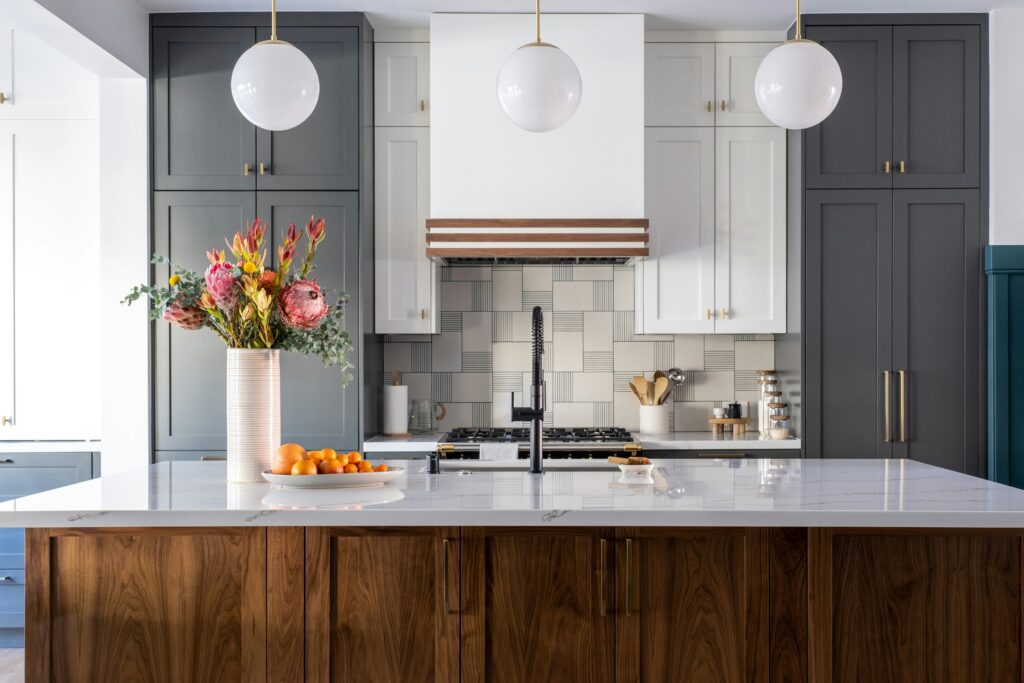
Open-plan homes, natural stone islands, and cutting-edge appliances all reflect the importance of kitchens in modern homeowners’ lives. For many families, the kitchen is the official “meeting point,” the one place where family members of all ages gather, share the highlights of their day, and bond over the family’s favorite dishes. Today’s kitchens offer much more than good vibes and great cuisine, though. They are also hubs of hidden technology that makes meal preparation faster, easier, and more sustainable. Research by Mordor Intelligence, for instance, shows that the smart kitchen market is expected to reach $40.98 billion by 2031. Sustainability, wellness, and connectivity features are equally important for easier, safer, and more efficient cooking.
Appliances that Form Part of Ecosystems
Smart devices such as smart fridges, ovens, and speakers aren’t new in kitchens, but today manufacturers are designing products that work together as part of a single connected system. Most smart appliances now connect to a home’s Wi-Fi network, so they can communicate with smartphone apps, receive software updates, and interact with other smart devices. Another big technological leap is Matter—a universal smart home standard that allows products from different manufacturers (for instance, Apple and Google products) to work together. Finally, smart home platforms such as Apple Home, Google Home, Amazon Alexa, and Samsung SmartThings enable homeowners to manage various devices from a single interface. As such, dream kitchens may have connected fridges that track inventory, send users expiration alerts, and integrate grocery delivery. They may also have internal cameras, allowing homeowners to view their interiors from the convenience of their smartphones.
Invisible Power and Charging
You may have noticed that kitchens featured in glossy magazines vary in style, but they tend to share one thing in common: a clean, uncluttered look. There are few things as unappealing to home cooks as working on countertops cluttered with chargers, cords, and socket plates. The good news is that there are a host of hidden solutions, including wireless charging integrated into countertops or drawers, pop-up or flip-down power modules in islands, switched outlets tucked into cabinetry, and dedicated charging drawers for phones, tablets, and other small devices.
Smarter Lighting and Environmental Controls
Good lighting and optimal environmental factors (such as temperature and humidity) are vital in beautiful, functional, safe kitchens. Many homeowners seek electrician services as one of the first steps when planning a new kitchen or remodeling an existing one. The appropriate electrical infrastructure is required to install hidden lighting and other technological elements, such as under-cabinet LEDs, dimmable lights, and smart lighting scheduling. With voice commands such as “Cook,” “Dinner,” or “Clean,” lighting and appliances can automatically adjust to homeowners’ preferences. For instance, the “Cook” command can result in kitchen lights brightening to 100%, under-cabinet lights turning on, a range hood starting automatically, and the thermostat lowering the temperature to offset the heat generated by cooking. It can even start background music on your tablet or phone.
Enhanced Sustainability
Sustainability is now a core feature of modern kitchens, with 90% of renovators incorporating at least one sustainable feature in their home designs, and LEDs and energy-efficient appliances being top choices for savvy homeowners. There are numerous technologies that boost sustainability in the kitchen, including smart taps (boasting precise temperature control and flow limits), integrated water filtration (which reduces bottled water use), and smart dishwashers (with eco-programs and load sensing). Leak detection sensors placed beneath sinks and near dishwashers, often containing automatic shut-off valves, meanwhile, help keep water wastage to a minimum.
Designing a Kitchen That Can Evolve
When planning a kitchen build or remodel, it’s key to plan for the future. If you wish to up your home’s IQ, think in terms of systems by planning for power, data, and connectivity early in your renovation. Choose appliances and lighting that share protocols or ecosystems to avoid fragmentation. When shopping for appliances or systems, you will be spoiled for choice, so make sure to prioritize reliability and serviceability over novelty. Hidden tech should be easy and affordable to maintain.
Today’s kitchens prioritize functionality, intelligence, and sustainability. They include integrated home systems, smart lighting, and sustainability features. When planning a smart kitchen, think in terms of integrated systems and invest in invisible infrastructure to ensure your kitchen has room for future upgrades, from modular charging solutions to replaceable smart modules.
 Ask Donel Robertsonail how they got into diy home improvement ideas and you'll probably get a longer answer than you expected. The short version: Donel started doing it, got genuinely hooked, and at some point realized they had accumulated enough hard-won knowledge that it would be a waste not to share it. So they started writing.
What makes Donel worth reading is that they skips the obvious stuff. Nobody needs another surface-level take on DIY Home Improvement Ideas, Outdoor Living Solutions, Essential Gardening Tips. What readers actually want is the nuance — the part that only becomes clear after you've made a few mistakes and figured out why. That's the territory Donel operates in. The writing is direct, occasionally blunt, and always built around what's actually true rather than what sounds good in an article. They has little patience for filler, which means they's pieces tend to be denser with real information than the average post on the same subject.
Donel doesn't write to impress anyone. They writes because they has things to say that they genuinely thinks people should hear. That motivation — basic as it sounds — produces something noticeably different from content written for clicks or word count. Readers pick up on it. The comments on Donel's work tend to reflect that.
Ask Donel Robertsonail how they got into diy home improvement ideas and you'll probably get a longer answer than you expected. The short version: Donel started doing it, got genuinely hooked, and at some point realized they had accumulated enough hard-won knowledge that it would be a waste not to share it. So they started writing.
What makes Donel worth reading is that they skips the obvious stuff. Nobody needs another surface-level take on DIY Home Improvement Ideas, Outdoor Living Solutions, Essential Gardening Tips. What readers actually want is the nuance — the part that only becomes clear after you've made a few mistakes and figured out why. That's the territory Donel operates in. The writing is direct, occasionally blunt, and always built around what's actually true rather than what sounds good in an article. They has little patience for filler, which means they's pieces tend to be denser with real information than the average post on the same subject.
Donel doesn't write to impress anyone. They writes because they has things to say that they genuinely thinks people should hear. That motivation — basic as it sounds — produces something noticeably different from content written for clicks or word count. Readers pick up on it. The comments on Donel's work tend to reflect that.