
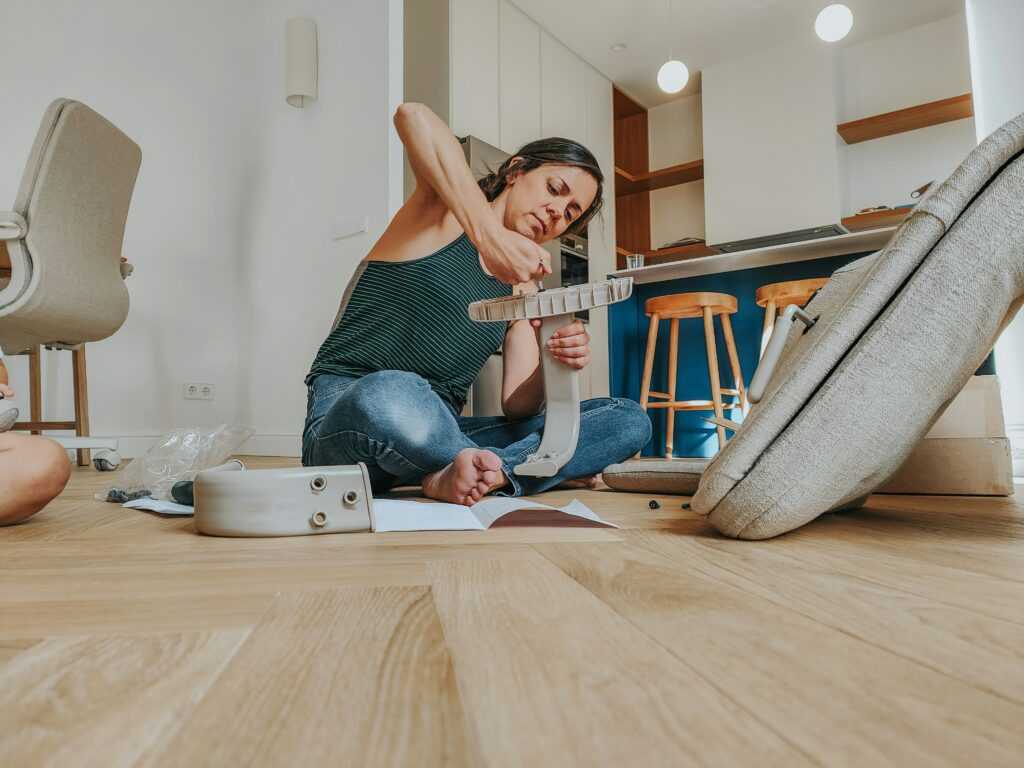
There’s a point in almost every DIY project where things start to slow down.
A screw won’t go in properly. A bolt gets stuck halfway. Your wrist starts to ache from forcing tools that just don’t have enough power. What should have been a simple task turns into a frustrating one.
Most people assume this is just part of doing things yourself. But in many cases, the problem isn’t the project — it’s the tools being used.
That’s why experienced DIYers often upgrade to more efficient tools, such as Makita impact driver drills from Sydney Tools, which are designed to handle tougher jobs with less effort. The difference isn’t just speed — it’s how much easier the entire process feels.
When you’re using the right tool, everything changes.
Why Basic Tools Can Hold You Back
Standard drills and manual tools are fine for light tasks, but they can struggle when projects become more demanding.
Common issues include:
- Not enough torque to drive screws into dense materials
- Slipping bits that damage screws or surfaces
- Increased physical effort leading to fatigue
- Slower progress overall
These problems don’t just make projects harder — they can also affect the quality of your work.
When tools aren’t performing well, it’s easier to make mistakes or cut corners just to get the job done.
What Makes an Impact Driver Different?
An impact driver is specifically designed to deliver more force with less strain.
Instead of applying steady pressure like a standard drill, it uses quick bursts of rotational force (known as torque) to drive screws and fasteners more effectively.
This results in:
- Easier driving of long or large screws
- Better control with less slipping
- Reduced strain on your hands and wrists
- Faster completion of tasks
For many DIY projects, this can be a noticeable upgrade in both performance and comfort.
Where You’ll Notice the Biggest Difference
The benefits of upgrading your tools become clear in real-world tasks.
Building Furniture
Flat-pack furniture or custom builds often involve dozens of screws.
Using a standard tool can feel repetitive and tiring, especially when screws don’t go in smoothly.
An impact driver makes this process quicker and more consistent.
Decking and Outdoor Projects
Outdoor materials like hardwood or treated timber can be tougher to work with.
Driving screws into these surfaces with basic tools can be difficult.
A more powerful driver helps you work through these materials with less effort.
General Repairs Around the Home
Even small jobs — like fixing hinges, tightening fixtures, or assembling items — become easier when your tools are efficient.
Instead of struggling through each step, you can complete tasks quickly and move on.
Less Effort, Better Results
One of the biggest advantages of using the right tool is how much physical effort it saves.
DIY projects should be satisfying, not exhausting.
With a more capable tool, you’ll notice:
- Less pressure needed to drive screws
- Reduced risk of stripping screw heads
- Greater precision when working in tight spaces
This not only makes projects easier but also improves the final result.
Clean, properly secured fittings tend to last longer and look better.
Choosing the Right Tool for Your Needs
If you’re considering upgrading, it’s worth thinking about how you typically use your tools.
Ask yourself:
- Do I regularly work with wood, metal, or dense materials?
- Do I find current tools slow or difficult to use?
- Do I want to reduce effort and save time on projects?
If the answer to any of these is yes, an upgrade can make a meaningful difference.
Look for tools that balance power, comfort, and ease of use. Features like ergonomic grips and lightweight designs can improve your experience even further.
Small Upgrades That Make a Big Impact
DIY doesn’t always require major investments or complicated setups.
Sometimes, a single tool upgrade can completely change how you approach projects.
Instead of avoiding certain tasks or feeling frustrated halfway through, you’ll find yourself working more confidently and efficiently.
Projects that once felt difficult start to feel manageable.
Making DIY More Enjoyable
At its core, DIY is about creating, fixing, and improving your space.
When tools work against you, that experience becomes frustrating. When tools support you, it becomes enjoyable.
Upgrading to better equipment isn’t just about performance — it’s about making the process smoother from start to finish.
Once you experience how much easier your projects can be, it’s hard to go back to struggling with tools that slow you down.
 Ask Linda Rossindals how they got into interior design trends and you'll probably get a longer answer than you expected. The short version: Linda started doing it, got genuinely hooked, and at some point realized they had accumulated enough hard-won knowledge that it would be a waste not to share it. So they started writing.
What makes Linda worth reading is that they skips the obvious stuff. Nobody needs another surface-level take on Interior Design Trends, Essential Gardening Tips, Outdoor Living Solutions. What readers actually want is the nuance — the part that only becomes clear after you've made a few mistakes and figured out why. That's the territory Linda operates in. The writing is direct, occasionally blunt, and always built around what's actually true rather than what sounds good in an article. They has little patience for filler, which means they's pieces tend to be denser with real information than the average post on the same subject.
Linda doesn't write to impress anyone. They writes because they has things to say that they genuinely thinks people should hear. That motivation — basic as it sounds — produces something noticeably different from content written for clicks or word count. Readers pick up on it. The comments on Linda's work tend to reflect that.
Ask Linda Rossindals how they got into interior design trends and you'll probably get a longer answer than you expected. The short version: Linda started doing it, got genuinely hooked, and at some point realized they had accumulated enough hard-won knowledge that it would be a waste not to share it. So they started writing.
What makes Linda worth reading is that they skips the obvious stuff. Nobody needs another surface-level take on Interior Design Trends, Essential Gardening Tips, Outdoor Living Solutions. What readers actually want is the nuance — the part that only becomes clear after you've made a few mistakes and figured out why. That's the territory Linda operates in. The writing is direct, occasionally blunt, and always built around what's actually true rather than what sounds good in an article. They has little patience for filler, which means they's pieces tend to be denser with real information than the average post on the same subject.
Linda doesn't write to impress anyone. They writes because they has things to say that they genuinely thinks people should hear. That motivation — basic as it sounds — produces something noticeably different from content written for clicks or word count. Readers pick up on it. The comments on Linda's work tend to reflect that.