
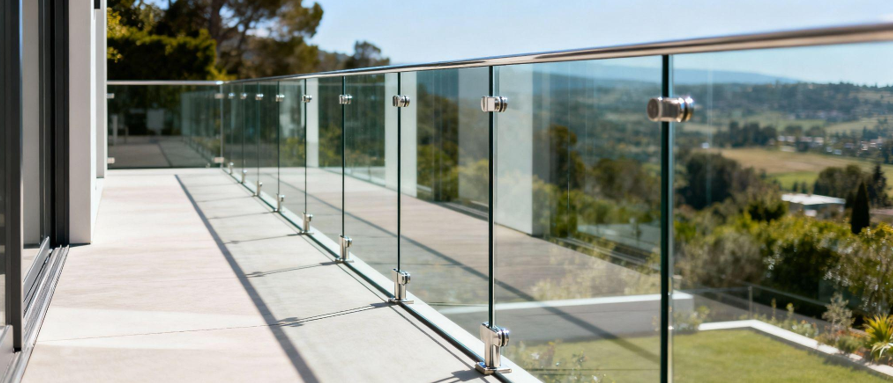
Glass railings are popping up on decks everywhere lately. Scroll through any home improvement feed, and you’ll see them. They look expensive, sure, but there’s more to it than just aesthetics. If you’re thinking about a deck upgrade or building from scratch, glass railings might be worth considering.
Just know what you’re getting into before you commit. When you start looking for custom deck builders, having this info helps you ask the right questions.
Why Glass Railings Are Having a Moment
The view thing is huge. If you’ve spent money on landscaping or you’re lucky enough to have a nice backdrop, why block it with chunky posts every few feet? Glass lets you see everything without obstruction.
Light plays a bigger role than most people realize. Traditional railings cast shadows and block sunlight. Glass doesn’t do that. I’ve watched smaller decks transform from feeling cramped to feeling open just by swapping out wood railings for glass. The difference is pretty dramatic.
Wind protection is something nobody thinks about until they experience it. If your deck catches a constant breeze, glass panels act like shields while keeping your view intact. You can actually sit outside on those windy spring evenings without getting blown around.
Plus, these things photograph incredibly well, which matters when you’re selling your home. Real estate agents get excited about glass railings because they signal quality and modern design. Your home value goes up, plain and simple.
Types of Glass Systems You’ll See
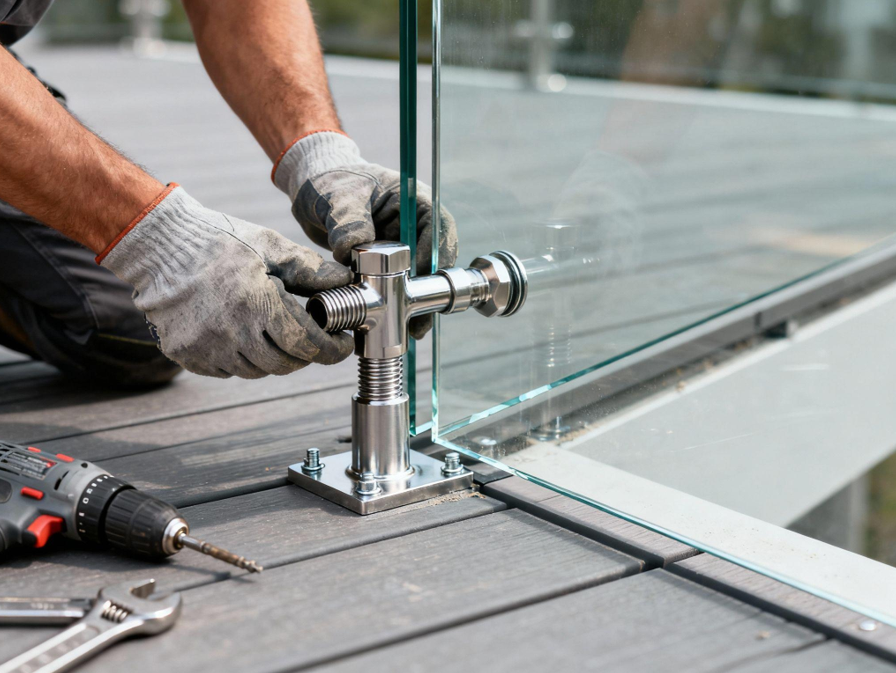
Frameless systems are the premium choice. The glass panels attach directly to your deck using metal spigots, with almost no visible hardware. You get maximum transparency, but you’ll pay for it. Expect around $200 to $250 per linear foot. The clean look is unmatched, though.
Framed systems bring the cost down to $80 to $100 per linear foot. The glass sits inside aluminum or composite frames. You lose some of that seamless appearance, but the structural support is stronger, and installation goes faster. If you want the glass railing look without breaking the bank, this works.
Semi-frameless splits the difference. You get top and bottom rails with glass floating between them. It’s a decent middle option that balances budget and appearance.
The glass itself matters more than you’d think. Most professional installs use tempered glass about 1/4 inch thick. This stuff is incredibly strong, and if it somehow breaks, it shatters into small, safer pieces instead of dangerous shards. Laminated glass costs more but adds sound dampening and UV protection, which helps if your deck faces west and gets hammered by afternoon sun.
You’ve got transparency choices too. Clear is standard, but tinted glass cuts glare and adds privacy. Frosted or textured glass works great if neighbors are close and you don’t want to feel like you’re on display.
Durability and Upkeep Reality
Glass won’t rot. Won’t rust. Won’t fade or crack or need repainting. The longevity genuinely impresses me compared to wood railings that need attention every couple of years.
Temperature extremes don’t phase tempered glass. Freezing winters and scorching summers, the material holds up fine. Fire resistance is another benefit people overlook until it matters.
Maintenance is where opinions split. Glass shows everything. Water spots, fingerprints, dust, it all shows up. You’ll be wiping down those panels regularly if you want them looking good. Standard glass cleaner and microfiber cloths handle it fine, but some people find the constant cleaning annoying. Personally, I’ll take wiping glass over sanding and restaining wood any day.
Quick Maintenance Schedule:
- Weekly: Spot wipe high-touch areas and remove fingerprints.
- Monthly: Full panel cleaning with glass cleaner and microfiber cloths.
- Quarterly: Inspect hardware for loose bolts or corrosion signs.
- Twice yearly: Deep clean, including base channels and mounting points.
- Annually: Professional inspection of structural integrity and anchors.
Glass vs Cable: Honest Comparison
People constantly ask about this. Both give you modern looks and open views, but they’re different in practice.
Cost is the obvious gap. Glass runs $200 to $300 per linear foot installed. Cable systems cost $50 to $100. That’s significant money if your budget’s tight.
For pure visibility, glass wins. Cable railings have those horizontal lines running across your view. They’re thin, but they’re there. Glass gives you completely uninterrupted sightlines.
Wind makes a huge difference. Cable doesn’t block wind at all. Glass creates an actual barrier. If you’re in a breezy spot, that matters for actually using your deck comfortably.
Safety for kids or pets favors glass, too. Cables need to follow that 4-inch sphere rule, but determined kids can still squeeze stuff through or try climbing. Glass creates a solid barrier. No ambiguity there.
Both options work fine. It comes down to what matters more to you. Maximum view and wind protection points to the glass. Budget constraints make cables more sensible.
Why You Need Professional Installation
Let’s be straight about this. Installing glass railings isn’t a DIY weekend project. It’s genuinely complex, and mistakes get expensive fast.
Building codes are strict. Most areas require a 42-inch height and specific load-bearing capacity, usually 200 pounds of force. Professional builders who’ve done glass installations know these codes cold. That’s why searching for custom deck builders near me matters for this particular project.
Glass panels weigh 50 to 100 pounds each, depending on size. Proper anchoring into your deck structure is critical, and different materials need different anchors. Wood, composite, and concrete all require specific approaches.
Thermal expansion is real. Glass expands and contracts with temperature. Pro installers leave proper gaps and use appropriate sealants. Skip this, and you’ll eventually crack panels.
The equipment matters too. Suction cups for safe handling, lifting gear for larger panels,and precision measuring tools. Most homeowners don’t own this stuff, and renting plus learning it safely adds up. Plus, professional contractors warrant their work. DIY means you’re on your own if something goes wrong.
Cleaning Mistakes That Damage Glass Railings:
- Using abrasive scrubbers or rough sponges that scratch the surface
- Scrubbing dried dirt instead of soaking it first with cleaner
- Applying ammonia-based cleaners that can damage protective coatings
- Pressure washing too close or at excessive PSI settings
- Skipping the rinse step, leaving a cleaner residue that attracts more dirt
- Using paper towels that leave lint instead of microfiber cloths
Budget Reality Check
Glass railings run $200 to $800 per linear foot installed. That’s a wide range because several factors affect the final cost.
Typical 40-foot projects cost $8,000 to $32,000. What drives the price? Glass type, framing system, deck complexity, your location, and hardware finish all play roles.
Labor typically costs $50 to $100 per hour. Complex installs with angles or stairs take longer and cost more.
Think long term, though. Wood railings need maintenance every few years. Supplies, labor, your time, it adds up. Over 20 years, those costs can exceed the initial price difference between wood and glass.
Glass also increases home value. While exact ROI varies, you’ll typically recoup 70% to 80% of your investment when selling, which beats most home improvements.
Final Thoughts
Glass railings deliver style and function for modern decks. They’re not cheap, but the benefits are real. Views, low maintenance, durability, it all adds up to a premium outdoor experience.
They’re not perfect for everyone, though. Hate cleaning windows? You’ll find the upkeep annoying. Budget tight? Framed systems or other materials make more sense. Value privacy? You’ll need tinted or textured glass.
The complexity means this needs professional handling. Experienced deck contractors who specialize in glass railings will handle permits, code compliance, and precision installation. That lets you just enjoy the finished product without the headaches.
 Ask Donel Robertsonail how they got into diy home improvement ideas and you'll probably get a longer answer than you expected. The short version: Donel started doing it, got genuinely hooked, and at some point realized they had accumulated enough hard-won knowledge that it would be a waste not to share it. So they started writing.
What makes Donel worth reading is that they skips the obvious stuff. Nobody needs another surface-level take on DIY Home Improvement Ideas, Outdoor Living Solutions, Essential Gardening Tips. What readers actually want is the nuance — the part that only becomes clear after you've made a few mistakes and figured out why. That's the territory Donel operates in. The writing is direct, occasionally blunt, and always built around what's actually true rather than what sounds good in an article. They has little patience for filler, which means they's pieces tend to be denser with real information than the average post on the same subject.
Donel doesn't write to impress anyone. They writes because they has things to say that they genuinely thinks people should hear. That motivation — basic as it sounds — produces something noticeably different from content written for clicks or word count. Readers pick up on it. The comments on Donel's work tend to reflect that.
Ask Donel Robertsonail how they got into diy home improvement ideas and you'll probably get a longer answer than you expected. The short version: Donel started doing it, got genuinely hooked, and at some point realized they had accumulated enough hard-won knowledge that it would be a waste not to share it. So they started writing.
What makes Donel worth reading is that they skips the obvious stuff. Nobody needs another surface-level take on DIY Home Improvement Ideas, Outdoor Living Solutions, Essential Gardening Tips. What readers actually want is the nuance — the part that only becomes clear after you've made a few mistakes and figured out why. That's the territory Donel operates in. The writing is direct, occasionally blunt, and always built around what's actually true rather than what sounds good in an article. They has little patience for filler, which means they's pieces tend to be denser with real information than the average post on the same subject.
Donel doesn't write to impress anyone. They writes because they has things to say that they genuinely thinks people should hear. That motivation — basic as it sounds — produces something noticeably different from content written for clicks or word count. Readers pick up on it. The comments on Donel's work tend to reflect that.