
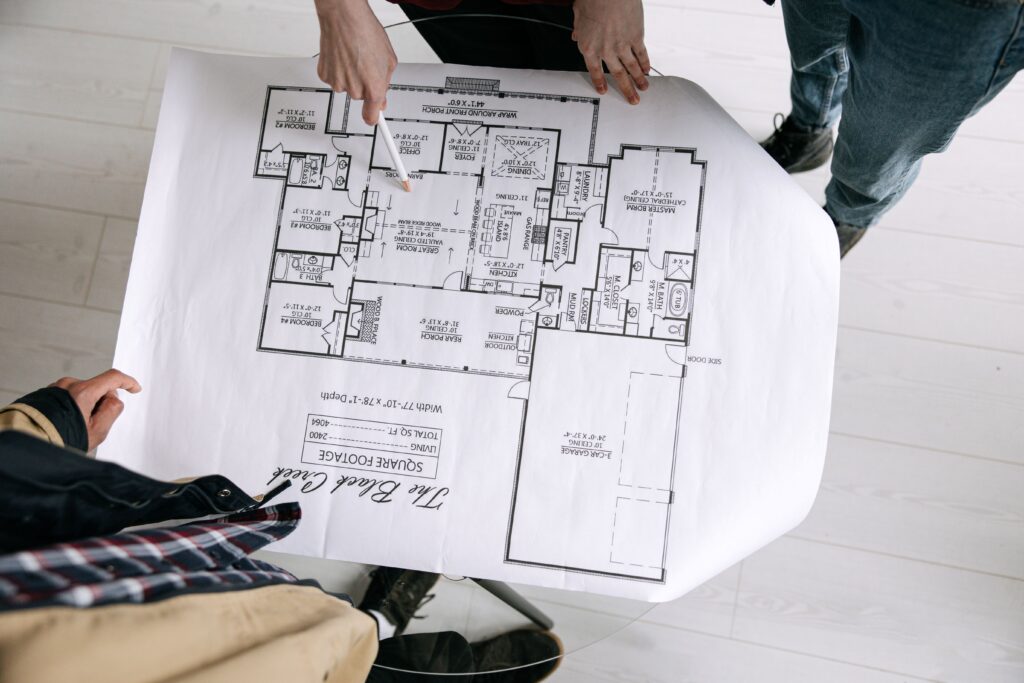
Planning a big home project this year?
Kitchen renovations. New driveways. Extensions. Retaining walls… They all begin with the same things. A good idea. A loose budget. Lots of optimism.
Here’s the problem:
Hope is not a strategy. Nine times out of ten home projects fail for the same reasons billion-dollar roads and bridges do. The good news? The folks building roads and bridges have already made those mistakes (with much bigger stakes) and solved them.
And you can steal those lessons for free.
Here’s what’s inside:
- Why Big Projects Go Over Budget
- What Road Engineering Services Get Right
- 6 Infrastructure Lessons For Your Home Project
Why Big Projects Go Over Budget
Big projects have a reputation problem. And it’s well earned.
Analysts looked at more than 16,000 large projects from around the globe dating back over a century. The outcome? A whopping 91.5% of projects experienced cost overruns, delays, or both.
That’s almost every single one.
Home DIY projects aren’t much better. Almost 2 in 5 homeowners who budgeted spent over budget in 2025. The most common reason? Products/services costing more than estimated.
Sound familiar?
The scale is different, but the root causes are the same:
- Rushed planning
- Hidden problems in the ground
- Changing the plan halfway through
The good news is massive infrastructure teams have developed solutions to combat each of these problems. It’s time to break them down…
What Road Engineering Services Get Right
Roads are one of the best examples of how to plan a project properly.
Before the first truck hits the site, road engineers have spent months – even years – surveying, testing soil, designing drainage and studying traffic flow. Every phase of road construction is meticulously planned out ahead of time, right down to what happens below the surface and long after construction is complete.
Why does this matter to you?
since a highway is essentially an extremely long, enormously heavy driveway. It deals with the same enemies:
- Water
- Weight
- Weather
- Time
Road engineers understand that pavement failures typically originate below the surface. Inadequate drainage and poor subgrade will fracture even the highest quality asphalt pavement.
Your patio, paving or garden wall works the exact same way.
Instead of asking “what will it look like?”… begin asking “what’s it sitting on?”
That one question puts you ahead of most homeowners.
6 Infrastructure Lessons For Your Home Project
Now onto the good stuff. Here are the six habits of large-scale projects. Choose those that apply to your project and implement them before you spend your first dollar.
Plan Twice, Build Once
Infrastructure teams spend a large percentage of their time in the planning phase. It can seem glacial. But most savings are realized here.
The answer is simple… Changing on paper is essentially free. Changing after the concrete is poured is extremely expensive.
Before you start, write down:
- What you want the finished project to do
- What it must NOT do (block light, flood the garden, etc.)
- Who is responsible for each stage
It’s boring. But it works.
Check The Ground First
This is the lesson most homeowners skip.
Major projects undertake site investigations prior to design. They will have geotechnical testing, locate services such as pipes and cables and study surface water drainage around the site.
At home, this could mean:
- Asking for a basic soil or structural check before an extension
- Finding out where your water, gas and electrical lines run
- Watching where rain pools in your yard after a storm
What you can’t see is what usually costs you the most.
Paying a professional to inspect now could save you from tearing up a NEW driveway.
Build A Contingency Buffer
There is no serious infrastructure budget number. Only one plus contingency.
Home budgets should follow the same rule.
Nearly everyone recommends budgeting an additional 10-20% for contingencies. If you don’t use it? Wonderful. Extra money! If you do use it — it’s not the project stopping before completion.
Imagine your redundancy package as a spare tyre. You don’t ever want to use it… but boy are you thankful when you do!
Lock In The Scope
Here’s a sneaky budget killer…
Scope creep. That sneaky way the project expands as it’s underway. “Oh, by the way let’s tile the bathroom while we’re at it.” And then the lighting. And the doors.
Infrastructure projects operate under something known as change control. Any deviation from the plan must be evaluated, costed and approved before it can proceed. Nothing is done impulsively.
You can easily replicate this experiment at home. Before you say yes to any additional task, ask yourself three questions:
- How much will it cost?
- How long will it add?
- Is it a “need” or a “nice to have”?
If it’s a ‘nice to have’, jot it down for phase two.
Think About Maintenance From Day One
Road designers aren’t just designing how a road will be constructed. They’re designing how it will be maintained for decades to come. Usually 20-40 years.
That’s a mindset shift most homeowners never make.
When selecting materials, don’t ask yourself what they cost upfront. Ask yourself what they will cost you to maintain over a ten year period. That cheap deck that needs to be sealed annually may cost you more than that slightly more expensive low maintenance deck.
Cheap now can mean expensive later.
Break It Into Phases
Large projects are seldom delivered all at once. They are phased with gates at the end of each phase.
This method also works great for DIY jobs at home. Don’t rip your whole house apart at once, instead:
- Finish the most important area first
- Review how it went (time, cost, quality)
- Use what you learned to plan the next phase
It keeps your house functional. It helps spread expenses out. And it allows you time to address your process before the larger projects start.
Pretty smart, right?
The Bottom Line
You don’t need an army of engineers to manage your home project like a professional. You simply need to adopt the habits they depend on for big projects.
To quickly recap:
- Plan carefully before any work starts
- Check what’s under the ground
- Keep a 10-20% buffer for surprises
- Control changes to the scope
- Choose materials with maintenance in mind
- Break big jobs into smaller phases
Bridges, highways and tunnels can feel light years away from your backyard. But when it comes to building something that stands the test of time, the rules are exactly the same.
Begin with good plans and good footing — everything else will fall into place much easier.