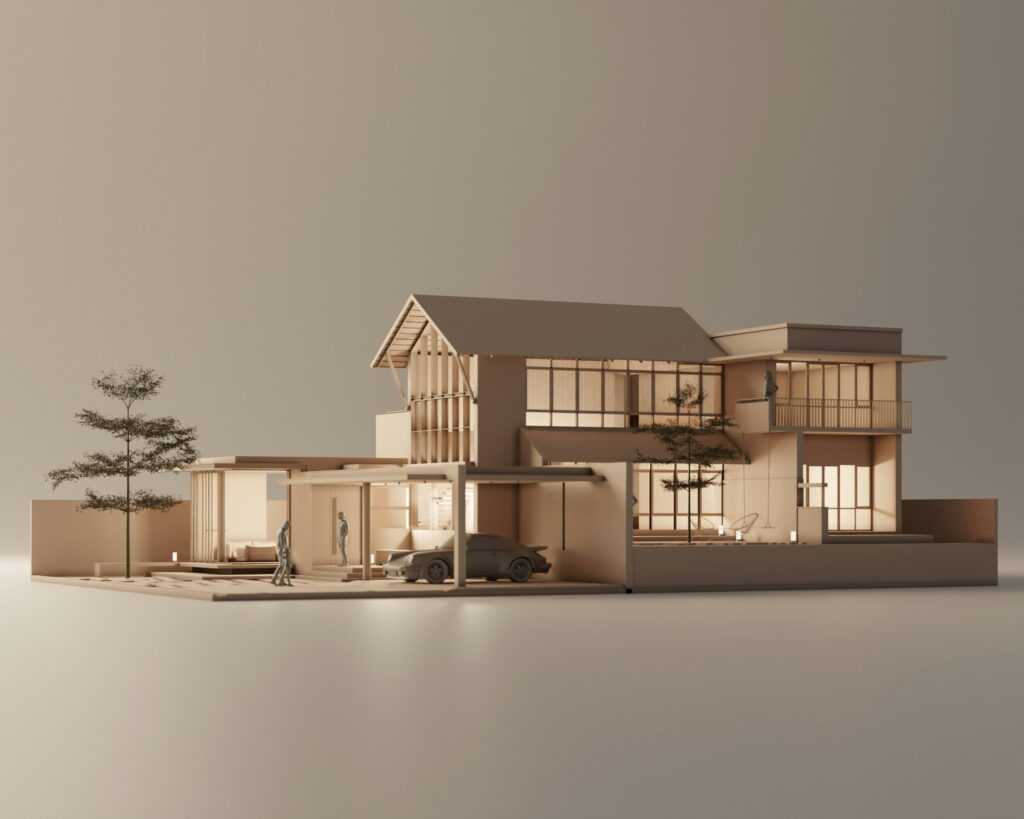
Want a heating system that looks as good as the rest of your home?
Homeowners agonize for months over couches, lighting and paint swatches. Enter one ugly heater or loud vent to spoil it all.
Here’s the problem:
Heating is typically an afterthought. Consumers select a system based on cost, then attempt to conceal it afterwards. This approach seldom pans out.
Good design and good heating should work together.
The good news? Heating systems these days come in more styles, sizes, and finishes than ever. With some simple planning, your heating system installation can work with your interiors (and even enhance them!).
Let’s jump in!
Inside this guide:
- Why Heating Matters In Modern Design
- How To Plan Your Heating System Installation
- 5 Heating Systems That Suit Modern Interiors
- How To Hide (Or Show Off) Your System
Why Heating Matters In Modern Design
Heating can be one of the largest tasks that your home does. The U.S. Energy Information Administration says heating makes up about 52% of household energy use, going toward heating and air conditioning costs.
That’s a significant portion of your expenses. Plus, since the system is running for months of the year, you deal with it daily.
Think about it:
Minimalist interiors focus on straight lines, open concepts and minimal clutter. A bulky heater on a feature wall disrupts that aesthetic.
But the right system does the opposite. It heats your rooms without being too obvious…
That’s a win-win.
How To Plan Your Heating System Installation
The best time to plan heating is before your design is locked down. Not afterward.
Planning ahead lets you decide where vents, units, and controls go. It also lets your installer work with your furniture, art, and lighting instead of around them.
Climate is another factor as well. If you live in a hot, dry climate like southern Arizona, your home will likely need a unit that can handle hot summer days and cold desert nights. For this reason, many homeowners searching for a heating installation in Tucson consider a heat pump or ductless system because it can heat your home in the winter and cool it in the summer. One efficient system takes the place of two and that means less hardware visible and taking up space in your home.
Before you book anything, ask yourself these questions:
- How big is the room?
- Is the space open plan or split into smaller rooms?
- Where will the furniture sit?
- Do you want the system hidden or on display?
Answer those first and every other decision gets much easier.
5 Heating Systems That Suit Modern Interiors
Here’s the thing…
There is no ONE “best” heating system. You’ll want to choose based on your space, style and budget. These 5 OPTIONS work great in most modern homes though.
Underfloor Heating
Underfloor heating is the ultimate choice for minimalist homes.
Why? Because it’s invisible. Heating systems like pipes or electric mats are installed under your floor and they heat the room from the ground up. No radiators. No vents. Just clean walls and open space.
Tile, stone and polished concrete work best. Hard floors store and radiate heat more evenly. Avoid thick rugs because they can absorb heat.
FYI: Underfloor heating is significantly easier to install when renovating or building. To retrofit means tearing up your floors. Budget for it ahead of time if possible.
Ductless Mini-Splits
A ductless mini-split is a wall unit about the width of a brick. It conditions only one room or “zone”.
They’re ideal for open-plan layouts and home additions where installing ductwork would be unsightly. Plus, they’re only growing in popularity. By 2025, heat pumps are expected to account for 47% of cooling equipment sales in the United States.
Concerned about appearance? Many brands offer black, grey and even mirrored finishes. Simple slatted covers are also available to match your joinery.
Designer Radiators
Who said radiators have to be boring?
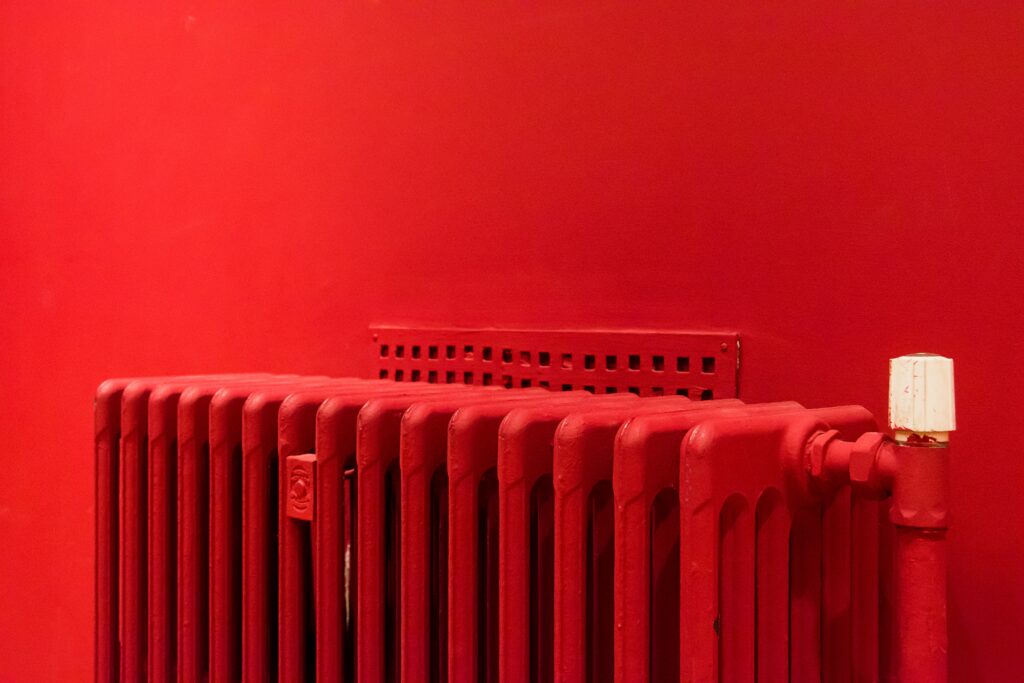
Designer radiators are designed to be on display. Slim vertical designs save floor space and look great in narrow corridors. Matte black, brushed brass or chrome finishes can transform an ordinary wall into a statement.
Bonus: Heated towel rail in bathroom. Keep the bathroom warm AND your towels dry. Two installs in one nice piece of kit.
Linear Vents And Ducted Systems
You don’t have to live with unsightly grilles if your home is already ducted.
Linear slot vents lie completely flat against your ceiling or floor. They resemble a thin line of shade instead of a bulky square metal. Paint them the same colour as your ceiling, and most guests won’t see them at all.
It’s trivial. But it can dramatically change a room’s perception of cleanliness.
Electric Fireplaces
Want heating that doubles as a focal point?
Wall-mounted electric fireplaces allow you to enjoy the ambience of a real fire without the chimney. These units are long and narrow, so they fit seamlessly under TVs or within a feature wall.
They generally aren’t powerful enough to heat your entire home alone. However, as supplemental heat in a den or living room they are tough to beat.
How To Hide (Or Show Off) Your System
Once you’ve picked your system, you have two choices:
- Blend it in
- Make it stand out
Both work. The key is to choose one and stick with it.
Make it disappear: Paint your unit the same colour as your wall or ceiling. Use recessed units where possible, and small thermostats with simple designs. Flat, round smart thermostats are much more visually appealing than those chunky beige boxes.
If you want it to be a focal point, style it like furniture. Choose an aggressively coloured radiator or fireplace with an interesting silhouette. Design the room around it.
But don’t forget one important rule…
Don’t ever block your system completely. Radiators need room to breathe. Shoving a couch in front of your radiator or covering a vent with heavy curtains makes your system work less efficiently and costs you more money.
Putting It All Together
Choosing the right heating system can warm you without clashing with your decor. Let’s review:
- Plan your heating system installation before your design is finished
- Think about your climate and whether you also need cooling
- Select a system that fits your space (underfloor, mini-split, radiator, linear vents or electric fires)
- Decide whether to hide it or make it a feature
- Leave room for air to flow
Answer these and your home will look great and feel great year-round.
It really is that simple.