
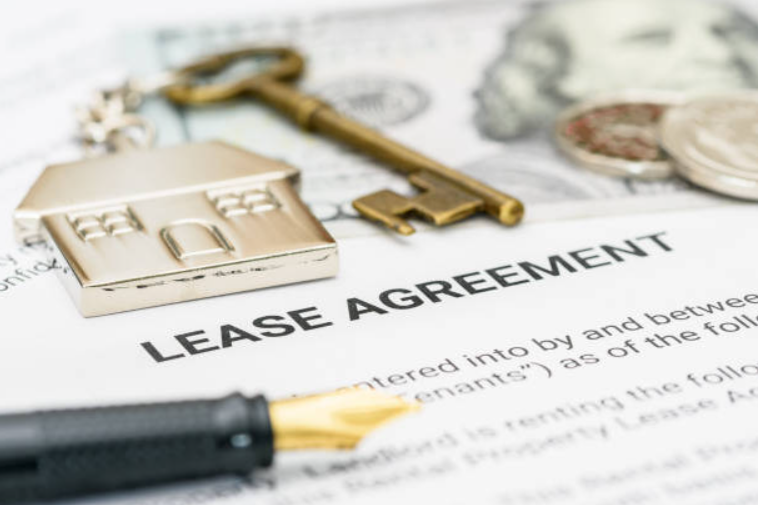
A rental agreement is a binding contract between a landlord and tenant that defines their rights and responsibilities, or at least it should be. Most property owners know that when dealing with tenants, it’s essential to get everything in writing in case there’s ever a dispute. In other words, you need to document all details, from the grace period for missed rent, to special pet clauses so you have something tangible to refer to in front of a judge.
However, some landlords make the mistake of thinking whatever they put in their rental agreement is always legally binding, which is grossly untrue. Continue reading below to help you unpack the importance of legal enforceability.
Why Legal Enforceability Matters in Rental Agreements?
Protect Both Parties
Picture this: you’re running a short-term fully furnished rental, and to protect your apartment, you insert a clause that security deposits are non-refundable so you can cover any tenant damage. While that might sound smart, it’s actually one of the fastest ways to get in trouble, because under landlord-tenant laws, security deposits, while subject to deductions, are refundable.
Even if the tenant signs the agreement, it doesn’t hold anything, and they can take you to court. As a result, we highly recommend that you consult a local housing authority if you want to confirm when is a lease legally binding. Confirmation that your lease is legal allows you to take a proper lawful action against them and vice versa.
Ensure Accountability and Compliance
Another reason legal enforceability matters is that it keeps both parties accountable. Beyond protecting tenants from exploitative landlords or ensuring property owners can take proper legal action when wronged, a sound lease acts as a rulebook because a well-written rental agreement includes explicit maintenance responsibilities like who handles the HVAC system or lawn care.
Thus, if there’s a serious breach of the rules, like one party neglecting their duty leading to property damage, the lease then acts as evidence. When both parties have their roles laid out in writing, it’s easier to adhere to the agreement. Also, lease agreements can also have clauses that outline the preferred method of resolving issues, which can save everyone valuable time and energy when there’s a dispute.
Key Elements of a Legally Binding Rental Agreement
Lawful Terms
You don’t have to get overly technical when drafting your lease agreement, but you do have to be precise. In other words, aim to include the necessary details that eliminate any ambiguity. For example, instead of simply stating that tenants are meant to pay their rent at the end of the month, pick a specific date and state the amount. This detail helps both parties avoid any disagreements down the road. Of course, you also need to ensure that your clauses comply with applicable law, especially with touchy subjects like pets and evictions. Before considering breaking a lease, review the termination clause and penalties specified, and make sure they’re in line with local rules.
Valid Consent
Ensure you get valid consent to close the deal and avoid any hiccups down the road. After all, your entire lease can become void if one party is unable or not fit to agree to the contract in the first place. A great example would be if the person who signs the lease isn’t the real tenant. In that case, the renter can argue that the lease isn’t legally binding because they didn’t knowingly enter into the agreement with you. That’s why we recommend asking for identification during the signing, and in some cases having a witness.
How do Property Managers Help Ensure Legal Compliance

Draft Legally Sound Agreements
Hiring a local property manager is a great idea because it’s their job to stay up to date with the latest real estate laws. Local knowledge can also be useful when comparing neighbourhood-specific options, such as West University neighborhood Tucson rentals, where lease terms and property practices may vary by location. That means they can easily spot grey areas where your lease might run into trouble or need to do more heavy lifting to defend your stance in court. This service doesn’t just apply to new documents. Property managers can also help you review and update old agreements to ensure they’re still relevant and that you don’t run the risk of an invalid clause.
Enforce Rules
Another way property managers help with legal compliance is that it’s their job to enforce the rules. They keep tenants in check by reminding them of their duties and performing routine inspections, while ensuring timely repairs happen and the property is in good condition. Also, they keep track of landlord-tenant communication and can even act as mediators when necessary to resolve conflicts. These roles keep both parties in line while preventing costly legal mistakes.
Conclusion
Ensuring that your rental agreements are legally enforceable is a necessary way to protect your investment. After all, the last thing you want is to lose thousands of dollars on a technicality because the language or framework of your lease made it possible for your landlord or tenant to escape accountability. That’s why it’s essential to ensure that the terms are lawful and apply to your jurisdiction before signing any lease. Also, seek the help of a competent property manager to double-check legal compliance.
 Ask Donel Robertsonail how they got into diy home improvement ideas and you'll probably get a longer answer than you expected. The short version: Donel started doing it, got genuinely hooked, and at some point realized they had accumulated enough hard-won knowledge that it would be a waste not to share it. So they started writing.
What makes Donel worth reading is that they skips the obvious stuff. Nobody needs another surface-level take on DIY Home Improvement Ideas, Outdoor Living Solutions, Essential Gardening Tips. What readers actually want is the nuance — the part that only becomes clear after you've made a few mistakes and figured out why. That's the territory Donel operates in. The writing is direct, occasionally blunt, and always built around what's actually true rather than what sounds good in an article. They has little patience for filler, which means they's pieces tend to be denser with real information than the average post on the same subject.
Donel doesn't write to impress anyone. They writes because they has things to say that they genuinely thinks people should hear. That motivation — basic as it sounds — produces something noticeably different from content written for clicks or word count. Readers pick up on it. The comments on Donel's work tend to reflect that.
Ask Donel Robertsonail how they got into diy home improvement ideas and you'll probably get a longer answer than you expected. The short version: Donel started doing it, got genuinely hooked, and at some point realized they had accumulated enough hard-won knowledge that it would be a waste not to share it. So they started writing.
What makes Donel worth reading is that they skips the obvious stuff. Nobody needs another surface-level take on DIY Home Improvement Ideas, Outdoor Living Solutions, Essential Gardening Tips. What readers actually want is the nuance — the part that only becomes clear after you've made a few mistakes and figured out why. That's the territory Donel operates in. The writing is direct, occasionally blunt, and always built around what's actually true rather than what sounds good in an article. They has little patience for filler, which means they's pieces tend to be denser with real information than the average post on the same subject.
Donel doesn't write to impress anyone. They writes because they has things to say that they genuinely thinks people should hear. That motivation — basic as it sounds — produces something noticeably different from content written for clicks or word count. Readers pick up on it. The comments on Donel's work tend to reflect that.