
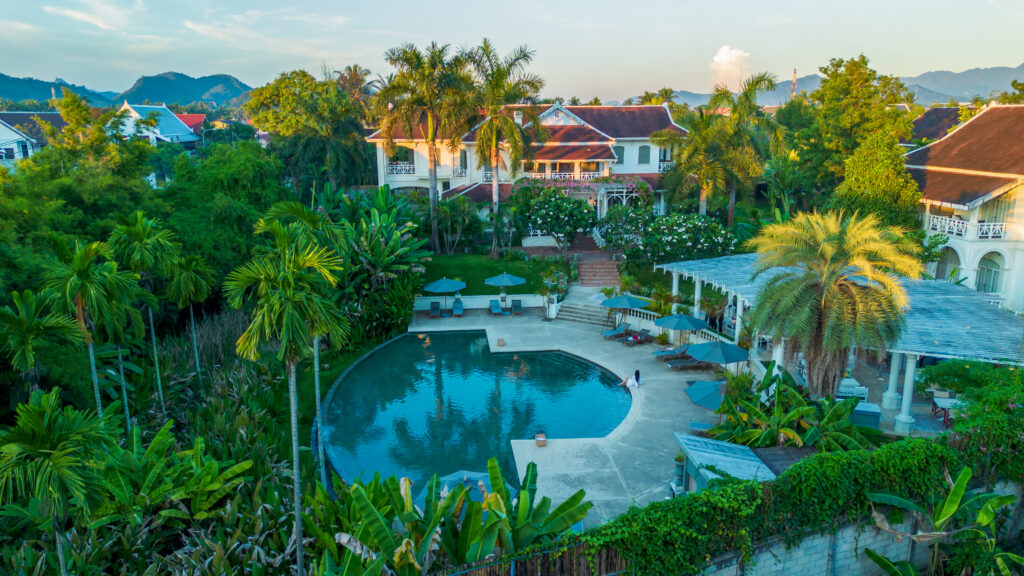
Americans are on a renovation treadmill. According to the Harvard Joint Center for Housing Studies, US homeowners spent $509 billion on home improvements in 2025 — a number that keeps climbing year after year. And yet most people who have just finished a kitchen remodel or bathroom overhaul discover the same uncomfortable truth: they got back less than they put in.
This article doesn’t argue against home renovation. Sometimes it’s the right call. But if you’re sitting on $100,000 to $200,000 and asking what to do with it, there’s a question worth asking seriously before you call the contractor: what if that money bought you a vacation home abroad that paid you back while you weren’t there?
We’re going to compare both options honestly — renovation ROI, vacation property yields, the real risks on both sides, and who should choose what.
The Renovation Math Most Homeowners Get Wrong
The home improvement industry is excellent at selling projects on the basis of what they add to your home’s value. The data tells a more complicated story.
According to the 2025 Cost vs. Value Report, the returns on common renovation projects break down like this: a minor kitchen remodel (costing $19,000–$27,000) returns roughly 72–96 cents on the dollar — the best-performing category. A mid-range bathroom remodel at around $25,000 returns approximately 74%. But scale either project up and the numbers deteriorate sharply: a major kitchen overhaul costing $85,000+ returns only 38–50%. An upscale bathroom at $78,000 returns around 45%.
The pattern is consistent: the more you spend, the worse the return. The National Association of Realtors’ 2025 Remodeling Impact Report puts the average renovation cost recovery across all project types at just 56 cents on the dollar.
“The average home renovation recovers 56% of its cost at resale. That means for every $100,000 you spend, you get back $56,000 in added home value.” — NAR 2025 Remodeling Impact Report
There’s a case for renovation that has nothing to do with resale ROI — comfort, lifestyle, quality of daily life. That’s legitimate. But if your primary motivation is financial return, the numbers are not flattering.
Common Renovation Projects: What You Spend vs What You Recover
| Project | Avg cost | Value added | ROI |
|---|---|---|---|
| Minor kitchen remodel | $27,000 | $26,000 | 96% |
| Mid-range bathroom remodel | $25,251 | $18,613 | 74% |
| Major kitchen overhaul | $85,000+ | $32,300 | 38% |
| Upscale bathroom remodel | $78,840 | $35,591 | 45% |
| Primary suite addition | $150,000+ | $36,000–$54,000 | 24–36% |
Sources: 2025 Cost vs. Value Report (Remodeling Magazine); NAR 2025 Remodeling Impact Report
The renovation dilemma deepens when you factor in one more thing: new tariffs on imported kitchen cabinets, bathroom vanities, and fixtures have pushed material costs up meaningfully in 2025, compressing ROI further on projects that were already marginal.
The Vacation Home Alternative
So what does an alternative look like in practice? Let’s use a concrete number: $150,000 — the kind of budget where a major kitchen and bathroom renovation start to look appealing, but where the returns (based on the table above) are going to be disappointing.
That same $150,000, transferred overseas, is a meaningful entry point into a vacation property market with fundamentally different economics — specifically one where the property generates income while you’re not there, appreciates over time, and gives you a place to stay when you are.
Why Phuket Keeps Coming Up for US Buyers
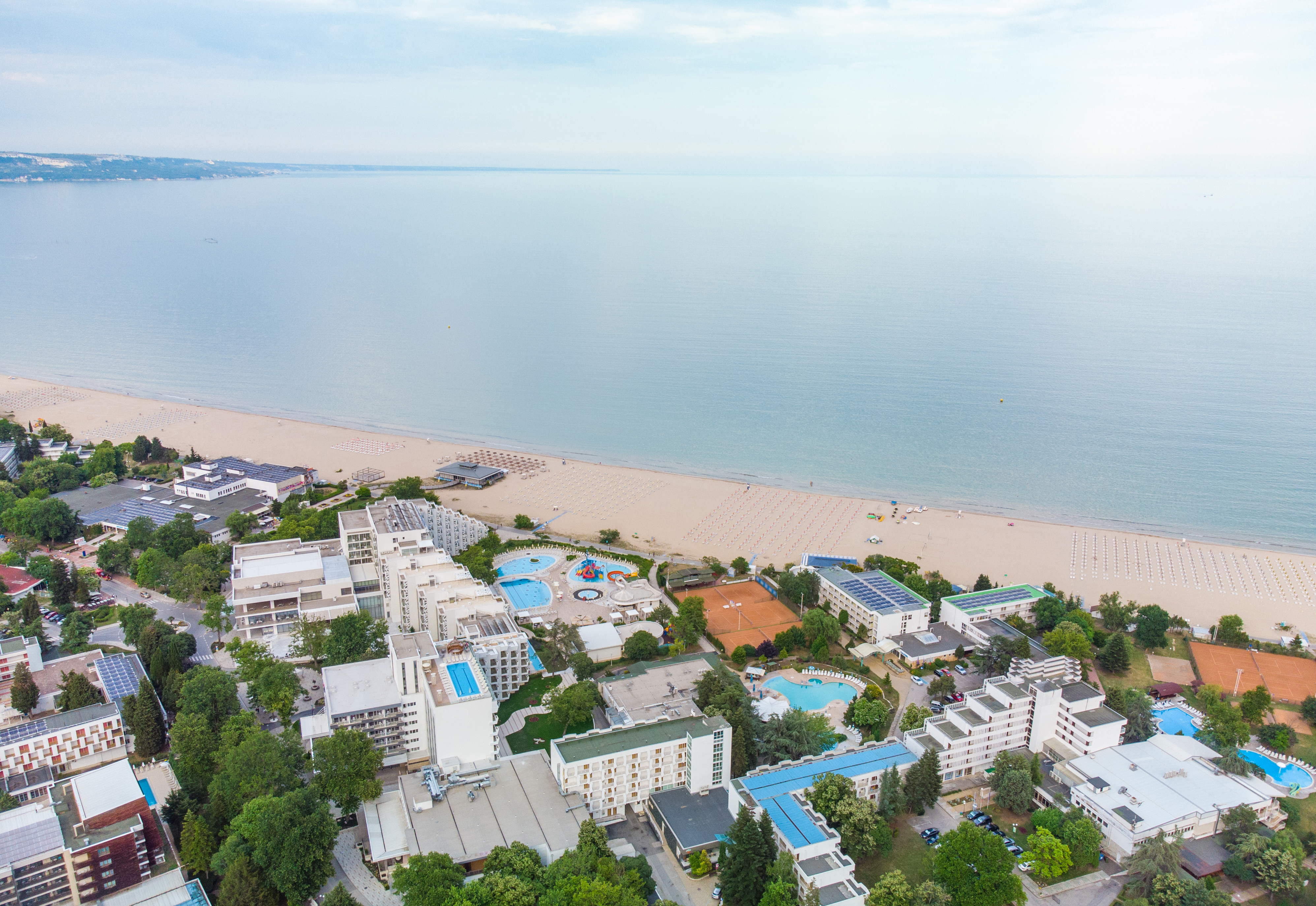
Among Southeast Asian markets, Phuket has become one of the most active destinations for international property buyers — and for specific, quantifiable reasons.
First, the entry price is accessible. A completed one-bedroom condo in the Cherng Talay / Choeng Thale area starts from around $100,000–$140,000. A studio in the same zone can be found from $85,000 upward. Two-bedroom units in quality managed developments typically run $180,000–$280,000. These are freehold-eligible prices, meaning a foreign buyer can own the unit outright in their own name.
Second, rental yields are genuinely strong. The gross rental yield for condos in Choeng Thale averages 7.8% based on current market data. Across the Bang Tao and Cherng Talay corridor more broadly, yields run 6–8% gross for well-managed units, with short-term rental strategies delivering 8–15% in peak season — though at the cost of more active management. Net yields after fees and vacancy typically sit in the 4–6% range on a conservative model.
Third, the corridor has been appreciating. Villa prices in Cherng Talay rose over 18% in 2024 year-on-year. The Bang Tao and Cherng Talay area — now referred to by some analysts as Phuket’s ‘Golden Mile’ — saw 85 new development projects valued at 73 billion baht launch in the first nine months of 2025 alone, signalling continued institutional confidence in the area.
“Bang Tao and Cherng Talay are consistently the best areas to buy villas in Phuket for short- and mid-term rental demand in 2026.” — Banyan Group Residences Phuket Property Investment Guide
Cherng Talay / Choeng Thale: What the Area Actually Offers
Cherng Talay (also written Choeng Thale) is the sub-district that encompasses Bang Tao Beach, the Laguna Phuket resort complex, Boat Avenue shopping, and Porto de Phuket — effectively Phuket’s most self-contained international living zone. Residents within this corridor have access to international schools, private hospitals, golf courses, beach clubs, and the island’s best dining concentration, all within a few kilometres.
For an investor who wants a property they can use personally and also rent out, it checks three boxes that rarely line up: a beach address, a lifestyle infrastructure that appeals to long-stay renters (expats, digital nomads, families), and enough year-round demand to keep occupancy stable outside peak months.
Property options in the area
For buyers at the $100,000–$200,000 range, condos for sale in Choeng Thale represent the most accessible entry point and the only property type foreigners can hold with full freehold title under Thai law. Completed projects include units in Siamese Bangtao from around $85,000, Space Cherngtalay from $97,000, and The Base Cherngtalay from around $215,000 for a 60sqm two-bedroom.
For buyers with a larger budget — typically $500,000 and above — the villa market in the area opens up. Properties for sale in Choeng Thale span the full spectrum from three-bedroom pool villas at around $400,000 to branded residences exceeding $2 million. The villa segment is leasehold for foreigners (30-year registered lease with renewal options) rather than freehold, which is a meaningful distinction worth understanding before purchase.
The Cherng Talay villa market specifically — including several boutique estate developments close to Laguna and Bang Tao Beach — is worth reviewing directly. An overview of Cherng Talay villas for sale gives a sense of what current inventory looks like across different scales, from private pool villas to larger branded residence options within gated communities.
$150,000: Renovation vs Vacation Property, Side by Side
| Factor | US home renovation | Phuket condo / villa |
|---|---|---|
| Capital required | $150,000 (renovation budget) | $100K–$200K (condo entry) |
| Average ROI / yield | 38–74% cost recovery at resale | 6–8% gross annual rental yield |
| Income generated | None — cost centre only | $6,000–$16,000+/year (rental income) |
| Capital appreciation | Modest, tied to local market | 15–18% villa price growth YoY (2024) |
| Personal use | Yes — you live in it | Yes — during your visits |
| Ownership complexity | Low — it’s your home | Medium — legal/visa/tax research needed |
| Payback period | Never (cost recovery only) | 12–18 years (conservative net yield model) |
| Liquidity | Low — tied to your home sale | Moderate — prime areas sell in 3–6 months |
What Americans Need to Know Before Buying in Thailand
This section is not a substitute for legal advice, but it covers the fundamentals that any US buyer needs to understand before going further.
Freehold condos are the clean path
Under the Thai Condominium Act, foreign nationals can own a condo unit in their own name with full freehold title — provided the development has not exceeded its 49% foreign ownership quota. This is the most legally straightforward structure and the one that most property lawyers recommend as a starting point. Funds must be transferred from outside Thailand in foreign currency, and you will need a Foreign Exchange Transaction (FET) Form from your Thai bank to register ownership at the Land Department.
Villas and houses require leasehold
Thai law prohibits foreigners from owning land directly. For villas, the standard structure is a 30-year registered leasehold with renewal clauses, often renewable to 90 years across three terms. Some buyers have historically used Thai company structures to hold land — this practice is now under significantly increased scrutiny from Thai authorities and is not recommended by reputable advisors in 2025.
Tax implications for US citizens
As a US citizen, you are required to report worldwide income to the IRS regardless of where you live. Rental income from a Thai property is taxable in the US. Thailand also taxes rental income for non-residents on a progressive scale. A qualified tax professional who handles US expat returns — and ideally has Thai tax knowledge — is not optional; it is part of the real cost of ownership.
Management from a distance
The practical challenge of owning a rental property on the other side of the world is real. Most buyers in Phuket’s managed condo and villa developments use a property management company — typically costing 15–25% of gross rental income — to handle bookings, maintenance, and guest relations. Factor this into your net yield calculations.
The Honest Downsides of Buying Abroad
Any article that presents overseas property as a straightforward upgrade over renovation is not being straight with you. Here are the real risks:
- Currency risk. Your investment is in Thai baht. If the dollar strengthens significantly against the baht, your property’s dollar value falls even if its local market value holds.
- Illiquidity risk. While prime Cherng Talay condos sell in 3–6 months according to market data, secondary locations can take 6–18 months. This is not a liquid asset.
- Management dependency. A poorly managed rental property underperforms significantly versus a well-managed one. The property manager you choose matters as much as the property itself.
- Complexity and learning curve. Thai property law, visa requirements, tax obligations, and banking rules all require time and professional guidance to navigate. There is a real overhead cost in the first year of ownership.
- Distance. If something goes wrong with the property — maintenance issue, dispute, tenant problem — you are not there. Remote ownership requires trust in your local management team.
Who Should Renovate, and Who Should Buy Abroad
These two options are not for the same person. Here is a simple decision framework:
| Renovate your home if… | Buy a vacation home abroad if… |
|---|---|
| Your home has structural or essential issues (roof, HVAC, plumbing) | Your primary home is stable and well-maintained |
| You plan to sell within 2–3 years and want quick ROI | You have a 10+ year investment horizon |
| You need the comfort and lifestyle benefit in your daily life | You are comfortable with some complexity and risk |
| You have no tolerance for international legal or tax complexity | You visit Southeast Asia or plan to — personal use makes the asset more valuable |
| Your renovation budget is under $30,000 (minor projects return better) | Your available capital is $100,000 or more and earning below 5% elsewhere |
The Bottom Line

Home renovation has its place. Minor projects — a fresh kitchen on a contained budget, a bathroom refresh, refinishing floors — return well and improve daily life. The problem is scope creep. Once you’re into a six-figure renovation, the financial case quietly collapses, and what you’re really buying is lifestyle, not return.
A vacation home abroad — particularly in a high-yield, appreciating market like Phuket’s Cherng Talay corridor — flips that equation. You are buying an asset that pays you while you are not there, has appreciated sharply over the past several years, and provides a place to stay when you visit. The complexity is real, the risks deserve respect, and the legal structure requires professional guidance. But the core financial logic is more compelling than most renovation budgets.
If you have $150,000 earmarked for your home and you are honest about your financial goals, it is worth spending a few hours researching the overseas option before you call the contractor. The numbers may surprise you.
 Ask Donel Robertsonail how they got into diy home improvement ideas and you'll probably get a longer answer than you expected. The short version: Donel started doing it, got genuinely hooked, and at some point realized they had accumulated enough hard-won knowledge that it would be a waste not to share it. So they started writing.
What makes Donel worth reading is that they skips the obvious stuff. Nobody needs another surface-level take on DIY Home Improvement Ideas, Outdoor Living Solutions, Essential Gardening Tips. What readers actually want is the nuance — the part that only becomes clear after you've made a few mistakes and figured out why. That's the territory Donel operates in. The writing is direct, occasionally blunt, and always built around what's actually true rather than what sounds good in an article. They has little patience for filler, which means they's pieces tend to be denser with real information than the average post on the same subject.
Donel doesn't write to impress anyone. They writes because they has things to say that they genuinely thinks people should hear. That motivation — basic as it sounds — produces something noticeably different from content written for clicks or word count. Readers pick up on it. The comments on Donel's work tend to reflect that.
Ask Donel Robertsonail how they got into diy home improvement ideas and you'll probably get a longer answer than you expected. The short version: Donel started doing it, got genuinely hooked, and at some point realized they had accumulated enough hard-won knowledge that it would be a waste not to share it. So they started writing.
What makes Donel worth reading is that they skips the obvious stuff. Nobody needs another surface-level take on DIY Home Improvement Ideas, Outdoor Living Solutions, Essential Gardening Tips. What readers actually want is the nuance — the part that only becomes clear after you've made a few mistakes and figured out why. That's the territory Donel operates in. The writing is direct, occasionally blunt, and always built around what's actually true rather than what sounds good in an article. They has little patience for filler, which means they's pieces tend to be denser with real information than the average post on the same subject.
Donel doesn't write to impress anyone. They writes because they has things to say that they genuinely thinks people should hear. That motivation — basic as it sounds — produces something noticeably different from content written for clicks or word count. Readers pick up on it. The comments on Donel's work tend to reflect that.