
Arranging a funeral is a deeply challenging and emotional time. I know it can feel overwhelming, with so many decisions to make. This guide is here to help you understand and choose the right words for a loving memory coffin ribbon in the Philippines.
You’ll learn about the meaning behind these ribbons, what messages are appropriate, and how to create a beautiful tribute. These ribbons are a powerful and visible way to express love, respect, and a final farewell during the wake and funeral service. This tradition is a cherished part of Filipino culture, helping families share their grief and honor their departed.
What Are Funeral Casket Ribbons and Why Are They Used?
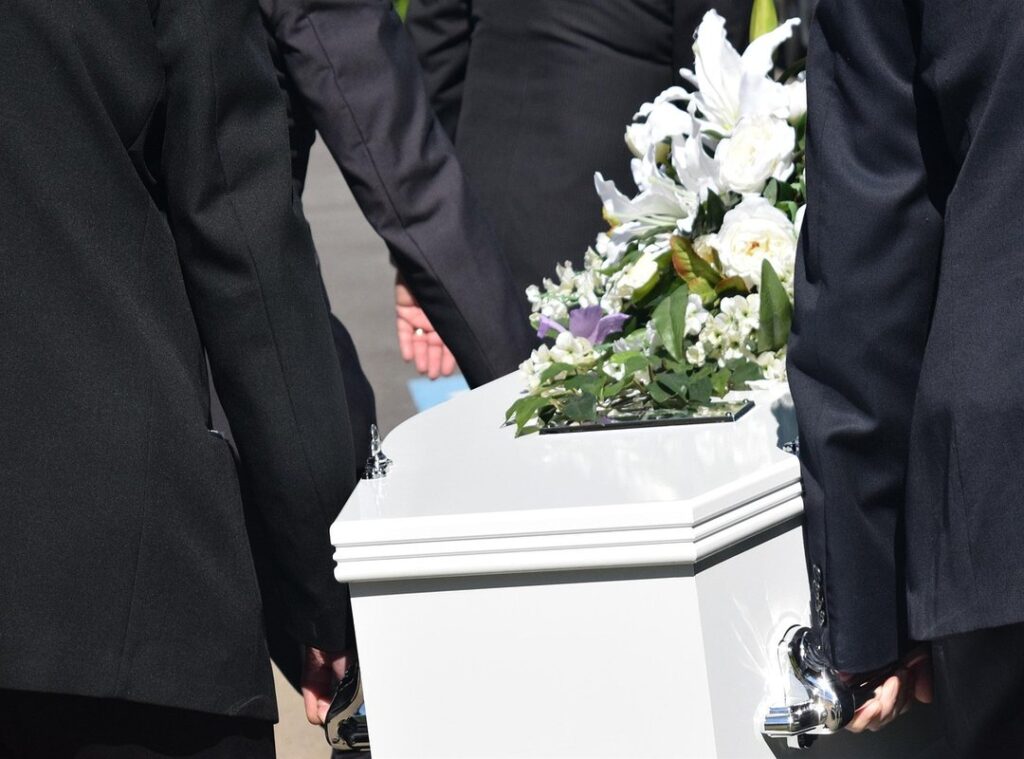
A casket ribbon, also known as a coffin sash or funeral ribbon, is a long, decorative strip of fabric. It’s used to display a final, personalized message from the immediate family or close relations directly on the casket.
These ribbons are typically draped diagonally across the casket lid or attached to the side. This placement makes them a central part of the viewing, allowing everyone to see the heartfelt message.
Casket ribbons are different from the smaller ribbons you might see on funeral flower wreaths. Those are for the flowers. Casket ribbons are exclusively for the coffin itself and carry the most personal messages.
In Filipino wakes, or lamay, casket ribbons play a significant role. They serve as a constant, visible tribute throughout the days of mourning, offering comfort to the bereaved. The loving memory coffin ribbon casket ribbon names philippines is a perfect example of this tradition.
These ribbons also help formally identify the primary mourners and the relationship they held with the deceased. This small but meaningful detail can bring a sense of closure and honor to the grieving process.
What to Write on a Casket Ribbon: Phrases, Names, and Messages
When it comes to choosing what to write on a casket ribbon, traditional phrases are a good starting point. “In Loving Memory,” “Forever in Our Hearts,” “Rest in Peace,” and “Deeply Missed” are widely used and meaningful.
Listing family names is also very common. You might see something like, “From Your Loving Wife and Children,” or “Beloved Father and Lolo.” Sometimes, the names of the spouse and children are listed individually.
For those with Filipino heritage, using Tagalog phrases can add a personal touch. “Mahal Ka Namin” (We Love You), “Paalam Aming Mahal” (Goodbye Our Love), and “Hanggang sa Muli” (Until We Meet Again) are heartfelt options.
Including the name or title of the deceased is a thoughtful way to honor them. For example, “In Loving Memory of our Dearest Maria” or “Our Beloved Tatay.”
The loving memory coffin ribbon casket ribbon names philippines can be a beautiful way to incorporate both English and Tagalog, reflecting the family’s cultural background.
Keep in mind that the space on a casket ribbon is limited. Focus on one central message that best represents the family’s feelings.
The choice of words is deeply personal. There’s no single ‘correct’ message; the goal is to be heartfelt and sincere.
Remember, the most important thing is to express your love and respect for the person who has passed.
How to Choose and Personalize a Casket Ribbon

When it comes to casket ribbons, satin is the go-to material. It’s got that elegant sheen and a smooth surface that makes printing look crisp. Heartomenal
White is the most traditional color, symbolizing purity and peace. Gold and silver lettering add a formal and dignified touch.
But here’s my take: while white is classic, why not choose a color that reflects the personality of the deceased? It can make the tribute feel more personal and meaningful.
Most funeral homes in the Philippines, or punerarya, offer casket ribbon services as part of their package. This makes it convenient, but sometimes you might want something more unique.
For those who want more customization, local print shops or specialty stores can create loving memory coffin ribbon casket ribbon names philippines. They often have more options for personalization.
Before you order, make sure you have the exact text, preferred ribbon and text color, and the casket’s size. These details are crucial to get the ribbon just right.
Pro tip: Take a moment to think about the message. A thoughtful, heartfelt phrase can make all the difference.
The Role of Casket Ribbons in Filipino Funeral Traditions
In Filipino culture, visual expressions of mourning are incredibly important, especially during the often lengthy wake (lamay). The use of casket ribbons is a key part of this tradition.
These ribbons serve as a public acknowledgment of the family’s grief and their relationship to the person who has passed. They add a layer of personalization and dignity to the casket, transforming it into a more personal memorial.
Some might argue that such displays are unnecessary or even overly dramatic. But for many Filipinos, these small details provide comfort and a sense of closure.
The loving memory coffin ribbon casket ribbon names philippines, for instance, is a common sight at funerals across the country. It transcends regional and religious differences, making it a unifying element of Filipino funeral customs.
So, while some may see it as just another ritual, the casket ribbon plays a vital role in honoring the deceased and supporting the grieving family.
Creating a Lasting and Beautiful Tribute
A casket ribbon serves as a simple yet profound way to convey a final message of love and honor. Whether you opt for a classic phrase, a list of family names, or a simple message in Tagalog, the gesture itself is what holds the most meaning.
This final touch provides comfort to the family and pays a beautiful tribute to the memory of their loved one. loving memory coffin ribbon casket ribbon names philippines can be a touching and personal way to honor someone special.
In your time of grief, may you find peace and solace in these small but meaningful gestures.
 Ask Donel Robertsonail how they got into diy home improvement ideas and you'll probably get a longer answer than you expected. The short version: Donel started doing it, got genuinely hooked, and at some point realized they had accumulated enough hard-won knowledge that it would be a waste not to share it. So they started writing.
What makes Donel worth reading is that they skips the obvious stuff. Nobody needs another surface-level take on DIY Home Improvement Ideas, Outdoor Living Solutions, Essential Gardening Tips. What readers actually want is the nuance — the part that only becomes clear after you've made a few mistakes and figured out why. That's the territory Donel operates in. The writing is direct, occasionally blunt, and always built around what's actually true rather than what sounds good in an article. They has little patience for filler, which means they's pieces tend to be denser with real information than the average post on the same subject.
Donel doesn't write to impress anyone. They writes because they has things to say that they genuinely thinks people should hear. That motivation — basic as it sounds — produces something noticeably different from content written for clicks or word count. Readers pick up on it. The comments on Donel's work tend to reflect that.
Ask Donel Robertsonail how they got into diy home improvement ideas and you'll probably get a longer answer than you expected. The short version: Donel started doing it, got genuinely hooked, and at some point realized they had accumulated enough hard-won knowledge that it would be a waste not to share it. So they started writing.
What makes Donel worth reading is that they skips the obvious stuff. Nobody needs another surface-level take on DIY Home Improvement Ideas, Outdoor Living Solutions, Essential Gardening Tips. What readers actually want is the nuance — the part that only becomes clear after you've made a few mistakes and figured out why. That's the territory Donel operates in. The writing is direct, occasionally blunt, and always built around what's actually true rather than what sounds good in an article. They has little patience for filler, which means they's pieces tend to be denser with real information than the average post on the same subject.
Donel doesn't write to impress anyone. They writes because they has things to say that they genuinely thinks people should hear. That motivation — basic as it sounds — produces something noticeably different from content written for clicks or word count. Readers pick up on it. The comments on Donel's work tend to reflect that.