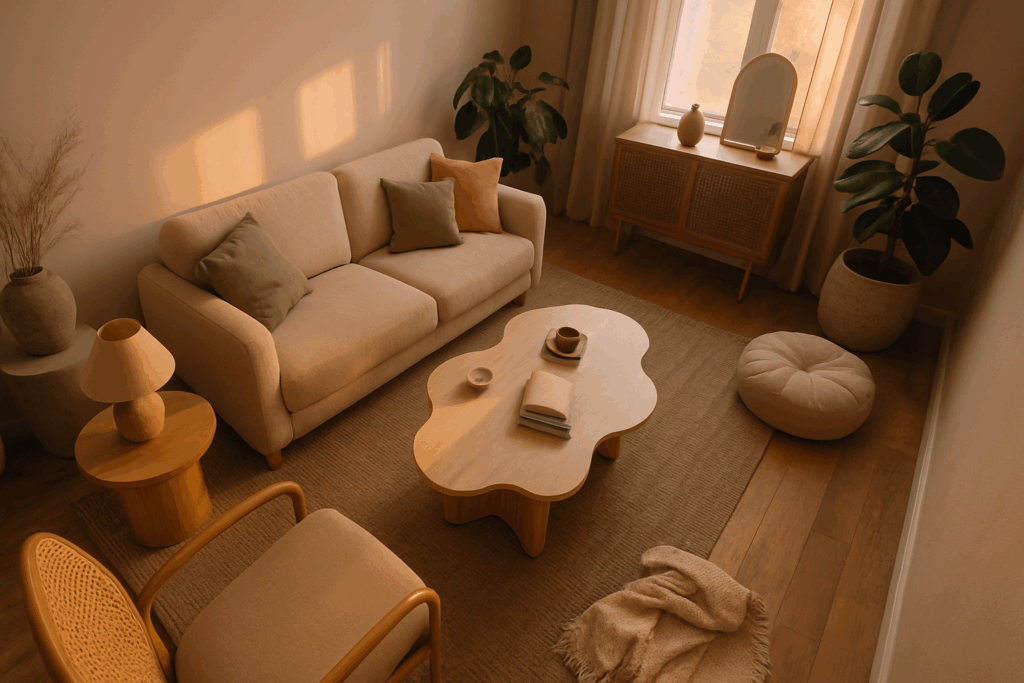
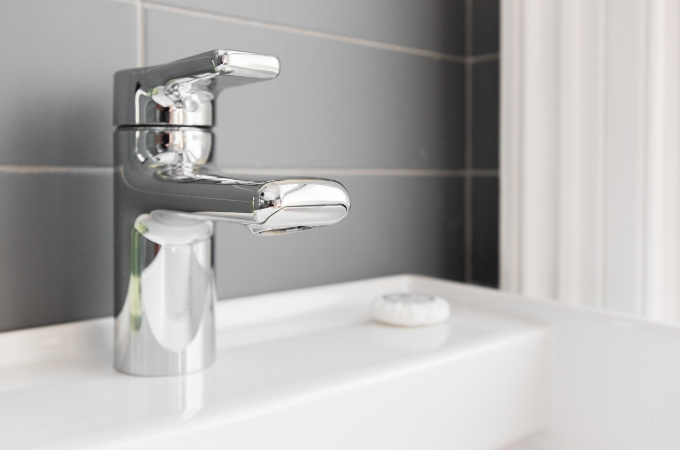
Planning your dream home?
Most homeowners spend months picking out:
- Countertops
- Tiles
- Light fixtures
But almost nobody asks where the pipes are going. And that’s a big mistake…
Hidden behind your walls, your plumbing determines how your home functions each and every day. Do it wrong and that beautiful kitchen becomes a money sink. Do it right and you hardly know it’s there.
Here’s how to bring plumbing into the design conversation from day one.
Inside this guide:
- Why Plumbing Gets Left Out Of Design
- The Real Cost Of Bad Plumbing Design
- 5x Plumbing Decisions To Make Early
- Where A Drain Cleaning Service Fits In
Why Plumbing Gets Left Out Of Design
Plumbing is invisible. That’s the whole problem.
Nobody walks into a house and thinks, “wow, check out those drain lines!” They see the island. The rain shower. Big windows. So the budget (and attention) flows there first.
The pipes get handed to whoever is cheapest at the end of the build.
But think about it:
All your fixtures and appliances are only as good as the pipes beneath them. A long drain line with improper slope and too many sharp angles will clog easily. You can expect more service calls for drain cleaning in the future. That equals more headaches for you.
It’s smart to hire a plumber during the design phase. Plumbers in your area such as the plumbers of St George Utah can catch issues with drain placement before the walls are built and it costs you almost nothing to fix. They understand how your area’s water and soil impacts your pipes. Plumbers can even point out where drain buildup will occur. Taking the time to plan for accessible drains now will make each drain cleaning service call quicker and less expensive.
Design it right once and you won’t pay for it twice.
The Real Cost Of Bad Plumbing Design
Here’s the kicker…
Bad plumbing doesn’t fail all at once. It fails slowly. Quietly. Behind your drywall.
The EPA says the average home’s leaks account for more than 9,300 gallons of wasted water every year. Imagine paying for water you don’t use! Did you know one faucet dripping just once per second can waste over 3,000 gallons of water per year?
And when a leak turns into a flood, the bill gets much bigger.
Insurance statistics demonstrate that approximately 1 in 67 insured homeowners make a water damage or freezing insurance claim annually. The average payout? $15,400.
That’s the price of a small kitchen remodel… spent on fixing damage instead.
Water damage and freezing account for nearly 22.6% of all homeowners insurance claims. Second only to wind and hail damage. And many of them begin with an innocent design decision.
5x Plumbing Decisions To Make Early.
Got plumbing decisions that will help you get it right. The plumbing choices every homeowner should make before building.
Keep Wet Rooms Close Together
Cluster your kitchen, bathrooms and laundry room close to each other whenever possible. This concept is also known as “clustering” and is one of the simplest things you can do in home design.
Shorter pipe runs mean:
- Hot water arrives faster
- Less water wasted while you wait
- Fewer joints that can leak
It also keeps your drain lines simple. Simple drain lines clog less often.
Plan For Drain Access
This one gets missed all the time…
Cleanouts are access ports that allow a plumber access into your drain lines. If your lines did not have cleanouts, drain cleaning service may have to lift up a toilet or cut into a wall to access a clog.
Ask your designer to include cleanouts at strategic locations, such as the bottom of each main stack and where the main line exits the house. They are inexpensive to include during construction and can prevent a world of hurt later.
Get The Slope Right
Gravity is why drains work. Pipes that are too flat cause waste to settle in the line. Pipes that are too steep cause liquids to wash past leaving solids.
Either way… You get clogs.
Typically codes require around 1/4 inch of drop per foot for smaller diameter drains. Quality plumbers verify this during the planning phase, not just when they get to the site.
Choose Materials That Last
Some pipes are better than others. PEX expands and flexes, so it is more forgiving if water freezes inside. Copper is strong and durable but can get pricey. PVC and ABS are the most common choices for drainage.
Your decision depends on your climate, water quality and budget. For instance, hard water can leave scale deposits in pipes and fixtures over the years. You might want to plan on installing a water softener.
Think About The Future
Want a basement bathroom one day? A backyard kitchen? An outdoor shower?
Rough in the pipes now.
Running capped lines behind walls cost considerably less than cutting into finished floors later. Your future self will thank you.
Where A Drain Cleaning Service Fits In
Even the best-designed plumbing needs care.
Grease, hair, soap scum and food debris accumulate in drain lines. Tree roots infiltrate outdoor sewer lines. Indoor and outdoor problems occur in new construction as well as older homes.
Which is why routine drain cleaning service appointments should be on your home maintenance calendar — right alongside HVAC servicing and gutter cleaning.
Watch out for these early warning signs:
- Slow draining sinks or tubs
- Gurgling sounds from drains
- Bad smells coming up from pipes
- Water backing up in more than one fixture
Recognize any of these? Before you pick up those harsh chemical drain cleaners, keep in mind that they can harm older pipes and many times simply move the clog further down.
Professional drain cleaning service involves the use of drain snakes hydro jetting and camera inspections to diagnose and properly clear the underlying issue.
Pretty simple, right?
And recall those cleanouts covered earlier? Well this is where they shine. Access will allow the job to go quicker and cost you less.
Bringing It All Together
Your dream home isn’t just what you see. The plumbing behind the walls determines if your home runs smoothly for years… or if you’re dialing repair crews.
To quickly recap:
- Bring a plumber into the design stage
- Keep wet rooms close together
- Add cleanouts for easy drain access
- Get the slope and materials right
- Rough in pipes for future upgrades
- Book a drain cleaning service regularly
Think of plumbing as if it were a house’s foundation. You’ll want every handsome finish to have a strong base to go on.
 Zyvaris Eldwain writes the kind of interior design trends content that people actually send to each other. Not because it's flashy or controversial, but because it's the sort of thing where you read it and immediately think of three people who need to see it. Zyvaris has a talent for identifying the questions that a lot of people have but haven't quite figured out how to articulate yet — and then answering them properly.
They covers a lot of ground: Interior Design Trends, DIY Home Improvement Ideas, Home Style Inspirations, and plenty of adjacent territory that doesn't always get treated with the same seriousness. The consistency across all of it is a certain kind of respect for the reader. Zyvaris doesn't assume people are stupid, and they doesn't assume they know everything either. They writes for someone who is genuinely trying to figure something out — because that's usually who's actually reading. That assumption shapes everything from how they structures an explanation to how much background they includes before getting to the point.
Beyond the practical stuff, there's something in Zyvaris's writing that reflects a real investment in the subject — not performed enthusiasm, but the kind of sustained interest that produces insight over time. They has been paying attention to interior design trends long enough that they notices things a more casual observer would miss. That depth shows up in the work in ways that are hard to fake.
Zyvaris Eldwain writes the kind of interior design trends content that people actually send to each other. Not because it's flashy or controversial, but because it's the sort of thing where you read it and immediately think of three people who need to see it. Zyvaris has a talent for identifying the questions that a lot of people have but haven't quite figured out how to articulate yet — and then answering them properly.
They covers a lot of ground: Interior Design Trends, DIY Home Improvement Ideas, Home Style Inspirations, and plenty of adjacent territory that doesn't always get treated with the same seriousness. The consistency across all of it is a certain kind of respect for the reader. Zyvaris doesn't assume people are stupid, and they doesn't assume they know everything either. They writes for someone who is genuinely trying to figure something out — because that's usually who's actually reading. That assumption shapes everything from how they structures an explanation to how much background they includes before getting to the point.
Beyond the practical stuff, there's something in Zyvaris's writing that reflects a real investment in the subject — not performed enthusiasm, but the kind of sustained interest that produces insight over time. They has been paying attention to interior design trends long enough that they notices things a more casual observer would miss. That depth shows up in the work in ways that are hard to fake.